
If you want to protect your plants from too much sun, you’re not alone. Picking the right sun shade net can really help your garden stay healthy. It controls sunlight, lowers heat, and blocks harmful UV rays. For example, most plants grow well with 40% to 60% shade. Some plants, like orchids, need up to 75% shade to grow best.
Whether you face strong sunlight or just want better garden conditions, knowing how to pick a shade net is important. The right shade cloth balances light and heat, helping plants grow strong and healthy.
Types of Sun Shade Nets
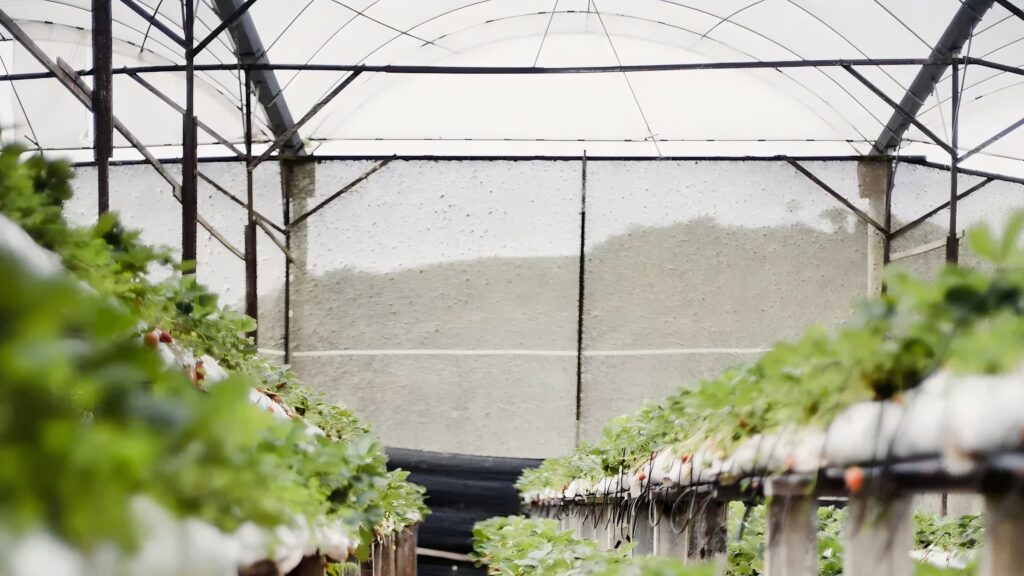
To protect your garden, knowing shade net types is important. Each type has special features for different gardening needs. Let’s explore three main types of shade nets and how they help plants.
Knitted Shade Nets
Knitted shade nets are very popular with gardeners. They are light, bendable, and simple to set up. These nets are made by looping threads together, making them hard to tear. If you live in a windy place, knitted nets are a good choice. They don’t come apart when cut and last long with care.
The color of knitted nets changes how much sunlight they block. Black nets give the most shade and UV protection. Pearl-colored nets let in more sunlight. Here’s a table showing how different knitted nets work:
| Shade Net Type | UV Blocking | Sunlight Passing | Light Changes |
|---|---|---|---|
| Pearl | Blocks some UV | Let’s bring in more light | Small changes in visible light |
| Schwarz | Blocks most UV | 55-60% less light | Little change in light quality |
| Rot | Blocks less UV | 41-51% less light | Changes in light for plant growth |
| Blau | Peaks in blue light | Varies in sunlight | Lowers the red-to-far-red light ratio |
Knitted shade nets are a flexible and strong option for your garden.
Woven Shade Nets
Woven shade nets are strong and last a long time. They are made by weaving threads into a tough fabric. These nets are great for very sunny areas. They give steady shade and block UV rays.
Woven nets also let air move through, keeping gardens cool. This stops plants from overheating. Many farms use woven nets because they are durable and work well.
Pick the right shade level for your plants. For example, tomatoes and peppers grow well under 50-60% shade. Fragile flowers might need up to 70% shade.
Extruded Shade Nets
Extruded shade nets are made differently from the other two. Plastic is shaped into a mesh-like design. These nets are used for special needs, like pest control or greenhouses.
Extruded nets are not as common but have unique uses. Their stiff design works for permanent setups, like large farms. Choosing the right extruded net can be tricky. Many gardeners pick them based on cost or testing. More research is needed to find the best uses for these nets.
If you want a long-term solution, extruded nets are worth a look. Think about your garden’s needs before deciding.
Understanding Shade Percentages
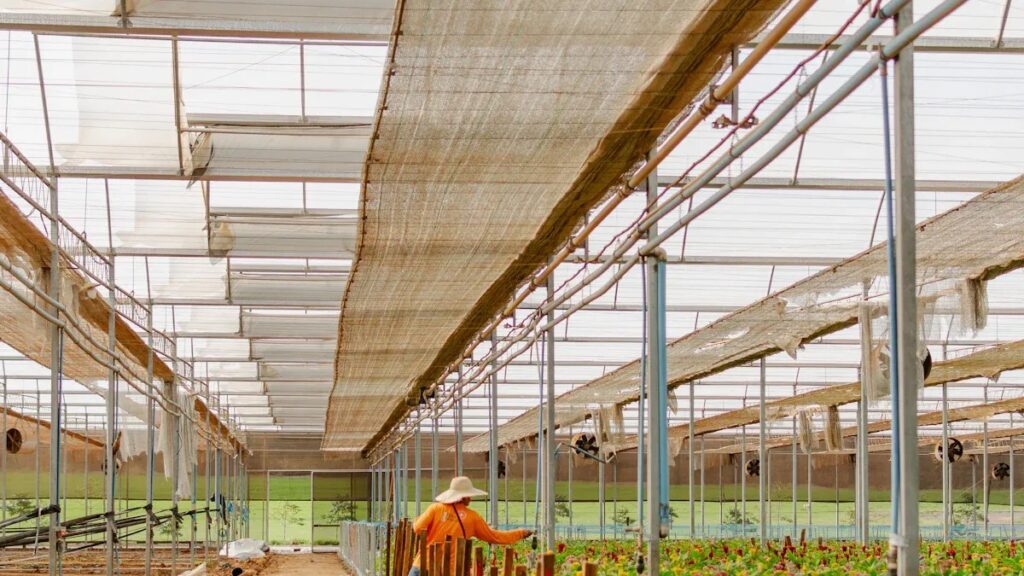
Picking the right shade percentage is like finding a balance. Plants need different amounts of shade to grow well. Knowing these percentages helps you create the best growing conditions.
Low Shade Percentages (30-50%) for Gardening
Niedrig Prozentsätze der Schattierung give some sun protection while letting light through. These nets are great for vegetables like tomatoes, peppers, and cucumbers. They stop plants from overheating but still allow enough light for photosynthesis.
Plants under 30-50% shade grow bigger leaves with a darker green color. This happens because shade boosts chlorophyll, which helps photosynthesis. Low shade also keeps soil moist, so you water less often.
Tipp: Use low shade percentages in areas with mild sun or cooler weather. It protects plants without blocking too much sunlight.
Medium Shade Percentages (50-70%) for Horticulture
Mittel Prozentsätze der Schattierung are good for crops needing more sun protection. These nets make the area cooler, perfect for fruits, flowers, and leafy greens. In hot places, they lower temperatures by 15-20°F, helping cool-season crops grow in summer.
Here’s how medium shade helps plants:
| Benefit Description | Evidence |
|---|---|
| Better Production | Plants grow more fruit, increasing yield by 30%. |
| Cooler Temperatures | Lowers heat by 15-20°F, great for heat-sensitive crops. |
| Improved Environment | Creates a cooler space, helping vegetables grow better. |
| Saves Water | Keeps soil moist, reducing how often you water. |
Medium shade nets are perfect for gardeners wanting more crops while protecting plants from heat.
High Shade Percentages (70-90%) for Specialized Needs
Hoch Prozentsätze der Schattierung are for plants needing lots of sun protection. Orchids, ferns, and shade-loving plants grow well under these nets. They block most sunlight, keeping the area cool and controlled.
Studies show that high shade affects plant growth. For example, eastern redcedars grew taller and thicker under shade. While unshaded plants had more biomass, shaded ones grew steadily with less stress.
If you have a greenhouse or delicate plants, high shade nets help keep conditions stable. They’re also useful during heat waves or in very sunny areas.
Anmerkung: High shade percentages don’t work for all plants. Check your plant’s needs before using these nets.
Choosing the Right Color for Your Shade Net
Picking the right shade of net color is important for your garden. Different colors change how much sunlight and heat plants get. Let’s look at the options to find the best one for your needs.
Black Shade Nets for Blocking Most Sunlight
Black shade nets block the most sunlight and absorb heat. They are great for plants needing heavy shade, like orchids or ferns. These nets work well in hot summers by reducing light intensity. However, they can trap heat, so they’re better for cooler places or shaded spots.
Dark nets create a controlled space, protecting plants from overheating. They help delicate plants grow without stress. Use black nets for plants that prefer low light or need extra sun protection.
Tipp: Black shade nets are best for plants needing heavy shade or cooler conditions.
Green Shade Nets for Balanced Light and Growth
Green shade nets are popular because they balance sunlight and shade. They spread light evenly, helping plants grow well. These nets allow enough light for photosynthesis while keeping plants comfortable.
Research shows green nets improve plant height, leaf size, and weight. They also increase chlorophyll, making plants healthier. Here’s how green nets help your garden:
| Benefit Type | Effect on Plants |
|---|---|
| Seedling Survival Rates | More seedlings survive under green nets. |
| Plant Growth | Taller plants with bigger leaves and more weight. |
| Stress Reduction | Plants are less stressed and grow stronger. |
Green nets are a flexible choice for most gardens and plant types.
White Shade Nets for Cooling and Light Reflection
White shade nets reflect sunlight, keeping gardens cooler. They are ideal for plants needing light shade, like lettuce or spinach. These nets lower heat while spreading light evenly.
Light-colored nets, such as white ones, prevent overheating and create a good growing space. For example, an 85% tan shade cloth reduces heat and improves plant conditions. White nets are perfect for summer gardening or heat-sensitive plants.
Anmerkung: White shade nets reflect heat but block less sunlight than darker nets. Use them for plants needing moderate shade and cooler temperatures.
Material Considerations for Shade Nets
When picking a shade net, the material is very important. It affects how long it lasts and how well it works. Let’s look at some common materials to help you decide.
Polyethylene and HDPE Shade Nets
Polyethylene and High-Density Polyethylene (HDPE) nets are strong and useful. They handle bad weather and block harmful UV rays. Newer designs have better mesh and stronger builds.
Here are their main benefits:
| Feature | Beschreibung |
|---|---|
| Improved Manufacturing | New methods make the mesh stronger and more durable. |
| Long-Lasting | HDPE nets resist tearing and survive tough weather. |
| Multi-Purpose | They block UV rays and look good while being versatile. |
| Budget-Friendly | These nets lower temperatures and protect plants, offering great value. |
| Popular Choice | More people prefer these durable and multi-use nets. |
These nets cool areas by 5°C-8°C, making them comfortable. They are light, easy to carry, and quick to set up. You can install them in under 30 minutes without tools. If you need a dependable net, HDPE is a smart pick.
UV-Stabilized Shade Nets for Durability
For gardens with strong sunlight, UV-stabilized nets are a great choice. They are treated to resist sun damage, lasting longer in sunny places. Studies show these nets improve plant growth by reducing heat stress and sunburn.
Here’s what they offer:
| Evidence Description | Key Findings |
|---|---|
| UV-Schutz | Treated nets last longer and block harmful sunlight. |
| Advanced Materials | HDPE nets reduce heat stress and protect sensitive crops. |
| UV Ratings | Nets with 500 KLY, 700 KLY, or 1400 KLY last 3, 5, or 10 years. |
These nets are ideal for hot climates. They protect plants and stay effective for years.
Eco-Friendly and Recyclable Options
If you care about the planet, eco-friendly nets are a great option. Many brands now make nets from recyclable materials. These nets work just as well as regular ones but are better for the environment.
Eco-friendly nets still block UV rays and control temperature. They are durable and help reduce waste. By choosing these nets, you protect your garden and the Earth.
Tipp: Look for recyclable or biodegradable labels to make an eco-friendly choice.
Picking the Right Shade Net for Your Plants
Choosing a shade net isn’t just about color or material. You need to think about your garden’s layout, adjust the net to fit, and place it correctly. Let’s go through the steps.
Measuring Your Garden Space
Before buying a shade net, measure your garden carefully. This helps you get the right size. First, find the areas needing shade. Are you shading vegetables, flowers, or a greenhouse? Use a tape measure to check the length and width of these spots.
Remember, plants need different amounts of shade:
- Berries grow well with 40% shade.
- Spinach can handle light shading.
- Orchids and ferns need 70-90% shade.
Also, think about the material. HDPE nets are strong and UV-resistant, lasting 3 to 10 years. Matching the shade level and material to your plants will help them grow better.
Adjusting Size and Shape
After measuring, adjust the net’s size and shape to fit your garden. This gives you better coverage. For odd-shaped garden beds, cut the net to match. HDPE nets are easy to trim and won’t fray.
Custom nets have many benefits:
- They block harmful UV rays, keeping plants safe.
- They lower the heat, creating a cooler space.
- They last long, making them a good investment.
By customizing your net, you’ll create the best conditions for your plants to thrive.
Placing the Net for Best Results
Where you place the net matters for plant growth. Set it up to block strong sunlight but still let in enough light for photosynthesis. In hot areas, use nets over tomatoes or cucumbers to reduce heat and save water.
Here’s how placement helps plants in different places:
| Region/Area | Shade Net Type | Benefits for Plants |
|---|---|---|
| India | 35-50% shade | Boosts yields by 30% for crops like cucumbers and peppers. |
| Middle East & North Africa | 70-90% UV block | Cuts water loss by 30% and raises crop yields by 15-25% for tomatoes and cucumbers. |
| Northern Europe | 50% shade | Protects winter lettuce from frost while keeping photosynthesis active. |
| Dry regions | 35-50% shade | Lowers soil temperature by 8°C and improves seed germination by 25-30%. |
Secure the net well to stop wind damage. Keep it high enough for air to flow, which keeps plants cool and healthy.
Tipp: Test the net on a small area first. This helps you find the best setup for your garden.
Additional Tips for Using Shade Nets
Budget-Friendly Options for Gardeners
You don’t need to spend a lot on shade nets. There are many ways to save money while protecting your plants. Start by looking for bulk discounts. Many sellers give 10–20% off when buying larger rolls. Seasonal sales, especially in late winter or early spring, are also great for finding deals.
For even more savings, check agricultural co-ops or surplus stores. These places often sell slightly damaged nets at lower prices. Online shops are another option for affordable nets. Sometimes, nets with small flaws work just as well for your garden.
Here’s a simple cost guide:
| Expense Category | Estimated Range |
|---|---|
| Materials ($ / m²) | 0.20 – 1.50 |
| Labor (DIY) | Free – $50 (tools) |
| Professional Install | $100 – $300 |
By using these tips, you can find good shade nets that fit your budget.
Maintenance Tips for Longevity
Taking care of your shade nets helps them last longer. Check them often for tears or weak spots, especially after storms. Fixing small damage early stops bigger problems later.
Cleaning is also important. Dust, dirt, and bird droppings can make nets less effective. Rinse them with water to keep them clean. UV-stabilized nets resist sun damage better, but harsh weather can still wear them out.
Here’s how different factors affect net lifespan:
| Factor | Impact on Lifespan |
|---|---|
| Material Quality | Good materials last 3–10 years or more. |
| Sun Exposure | UV stabilizers protect against sunlight damage. |
| Weather Conditions | Bad weather can shorten lifespan. |
| Regular Inspections | Finding damage early makes nets last longer. |
| Cleaning | Removes dirt that reduces effectiveness. |
Follow these steps to make your shade nets last for years.
Seasonal Adjustments for Optimal Use
Your garden needs to change with the seasons, so adjust your nets too. In summer, use nets with higher shade percentages to block strong sunlight. This keeps plants cool and saves water.
In cooler months, switch to nets with lower shade percentages. These let in more sunlight, helping plants grow during shorter days. Nets can also protect delicate crops from frost.
Placement is important. Change the height and angle of the nets based on the sun’s position. For example, lower the nets in winter to let in more light. Adjusting your nets seasonally keeps your garden healthy all year.
Tipp: Keep different nets ready to swap as needed. This helps you handle changing weather and plant needs.
Choosing the right sun shade net makes a big difference for your garden. It’s not just about blocking sunlight; it’s about creating the perfect environment for your plants to thrive. Whether you’re deciding on the type, percentage, color, or material, each choice plays a role in how well your garden grows.
Tailoring the net to your garden’s layout and plant needs is key. For example, shade from trees can lower surface temperatures by 1.1 to 1.8 °C, while turf reduces heat by 8 to 10 °C. Vegetation overall can cool areas by up to 5.6 °C. These benefits show how thoughtful planning can improve your garden’s health.
Start small before committing to a larger purchase. Test a shade net on a small area to see how it works for your plants. This way, you’ll know exactly what fits your garden best.
Tipp: If you’re wondering how to choose a shade net, focus on your plants’ needs first. Then, match the net’s features to those requirements for the best results.
 German
  English
  French
  Japanese
  Spanish
  Russian