
Excessive sunlight can damage your plants, leaving them stressed and dehydrated. To protect them, you can explore practical solutions beyond traditional shade cloth. Options like using a Shade Net or repurposing household items provide effective coverage. These methods ensure your plants thrive without requiring costly or specialized materials.
Wichtigste Erkenntnisse
- Use shade from trees or bushes to keep plants cool. This helps lower the heat and keeps the soil moist longer.
- Reuse things like old sheets or curtains to block sunlight. Light fabrics bounce sunlight away and cool plants down.
- Plant tall crops like sunflowers or corn to give shade. They also guard smaller plants from bugs and improve garden health.
Natural Shade Solutions
Planting near trees or shrubs
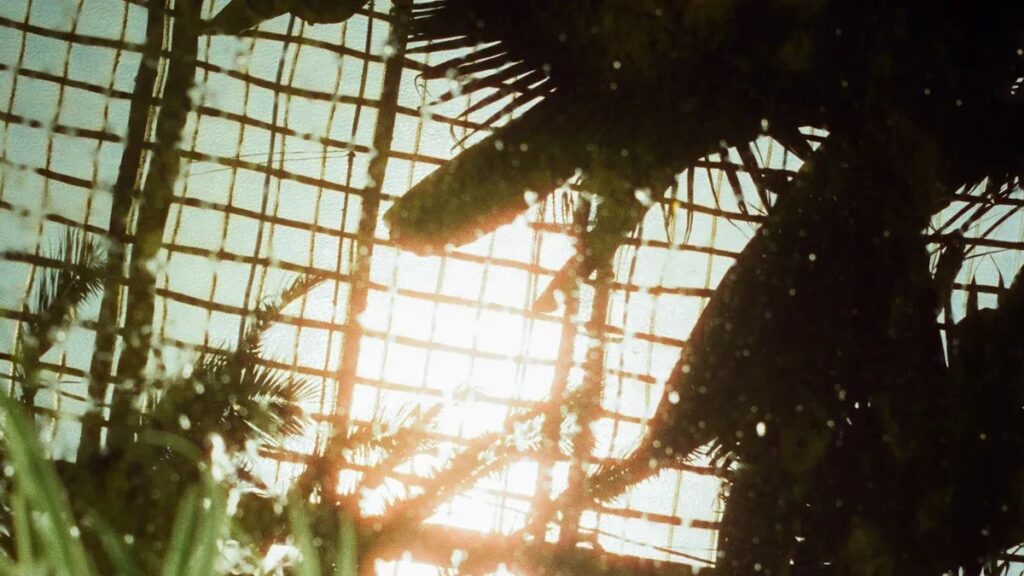
Trees and shrubs act as natural umbrellas for your garden. Their canopy reduces direct sunlight, creating a cooler microclimate for nearby plants. Research shows that areas with tree cover experience significantly lower air temperatures compared to treeless zones. This cooling effect minimizes heat stress on plants, making them less prone to dehydration and sun damage.
Planting your garden near established trees or shrubs offers additional benefits. Their roots stabilize the soil, preventing erosion and improving water retention. You can also use fast-growing species like bamboo or elderberry to create shade quickly. When choosing trees or shrubs, consider their growth habits to avoid overcrowding or competition for nutrients.
Tipp: Position shade-loving plants closer to the tree trunk, while sun-tolerant species can thrive at the edges of the canopy.
Using tall companion plants for shade
Tall companion plants serve as living shields against excessive sunlight. Species like sunflowers, corn, and sorghum provide shade for smaller, heat-sensitive plants. This technique not only protects your garden but also fosters beneficial interactions between plants. For example, tall corn can shield squash from pests while creating a cooler growing environment.
| Study Example | Beschreibung |
|---|---|
| Corn with Squash | Tall corn provides shade and pest control for squash, creating a beneficial microclimate. |
| Cowpea-Sorghum | Sorghum acts as a physical barrier, protecting cowpeas from pests while providing shade. |
Using tall plants reduces soil temperatures, which can drop by as much as 15°C in shaded areas. This cooling effect improves plant health and increases biomass production. Incorporating tall companions into your garden design is a practical and sustainable way to protect your plants from harsh sunlight.
Hinweis: Space tall plants strategically to ensure smaller plants receive adequate light and airflow.
Repurposed Household Materials
Old bedsheets or curtains
Old bedsheets or curtains can serve as an excellent alternative to Schattentuch. These materials are lightweight, easy to handle, and readily available in most households. By draping them over your plants or securing them to a simple frame, you can create a protective barrier against harsh sunlight. Their soft fabric allows some light to filter through while reducing the intensity of direct rays.
When choosing bedsheets or curtains, opt for lighter colors. Light-colored fabrics reflect sunlight more effectively, keeping the area underneath cooler. You can also double-layer the material for added protection during peak summer months. This method works well for small gardens or container plants that need temporary shading.
Tipp: Use clothespins or zip ties to secure the fabric to stakes or poles for a quick and adjustable setup.
Cardboard or plywood panels
Cardboard and plywood panels offer a sturdy and reusable shading option for your garden. These materials block sunlight entirely, making them ideal for plants that require deep shade. You can position the panels vertically or at an angle to shield your plants during the hottest parts of the day.
Cardboard is lightweight and easy to cut into custom shapes, making it suitable for smaller gardens or raised beds. Plywood, on the other hand, provides a more durable solution for larger areas. Both materials can be repurposed from old packaging or construction projects, reducing waste and saving costs.
Hinweis: To extend the lifespan of cardboard, avoid exposing it to rain or excessive moisture. For plywood, consider applying a weather-resistant sealant to prevent warping.
Window screens or lattice panels
Window screens and lattice panels are versatile options for creating partial shade in your garden. These materials allow some sunlight to pass through while blocking harmful UV rays. Their design promotes airflow, which helps prevent overheating and reduces the risk of fungal diseases.
You can repurpose old window screens or purchase lattice panels made from wood, metal, or decorative plastics. Many of these materials, such as HDPE and aluminum screen panels, offer high UV protection ratings, enhancing their effectiveness. Vertical shade screens can also be customized to allow varying amounts of sunlight, giving you flexibility in how much shade your plants receive.
| Material Typ | Benefits |
|---|---|
| HDPE Screens | High UV protection, lightweight, and durable. |
| Aluminum Panels | Long-lasting and resistant to weather damage. |
| Decorative Plastics | Aesthetic appeal with customizable light filtration. |
Incorporating these materials into your garden setup can provide a durable and attractive shading solution. They are particularly useful for larger gardens or areas where aesthetics are a priority.
Profi-Tipp: Combine lattice panels with climbing plants like beans or ivy to create a natural and functional shade structure.
Garden-Specific Materials
Burlap fabric is a breathable option
Burlap fabric offers a simple yet effective solution for shading your plants. Its loosely woven texture allows air to circulate freely, preventing overheating and reducing the risk of fungal diseases. This breathable material is particularly useful for gardens in humid climates, where airflow is essential for maintaining plant health.
You can use burlap to create temporary shade by draping it over a frame or securing it to stakes. Its lightweight nature makes it easy to handle, even for larger garden setups. Burlap is also biodegradable, making it an eco-friendly choice for gardeners who prioritize sustainability.
Tipp: To extend the lifespan of burlap, avoid prolonged exposure to rain or moisture. Consider treating it with a water-resistant spray for added durability.
Nylon netting or mesh for lightweight coverage
Nylon netting or mesh provides a versatile and durable shading option for your plants. Constructed from premium DuPont® type 66-728 nylon, this material boasts high tensile strength and weather resistance. It’s 1″ square mesh size effectively blocks most objects, making it suitable for various applications, including bird exclusion and animal containment.
- Benefits of Nylon Netting:
- Lightweight and easy to install.
- High UV and moisture resistance due to its extra-resilient weather coating.
- Durable enough for outdoor use in harsh conditions.
Nylon netting is ideal for gardeners seeking a long-lasting solution that doesn’t compromise airflow. Its lightweight design ensures easy handling, while its durability makes it a dependable choice for protecting plants from excessive sunlight.
Profi-Tipp: Use nylon netting to create vertical shade structures or combine it with a simple frame for adjustable coverage.
Shade Net as a durable alternative
Shade Net stands out as a cost-effective and durable option for plant protection. Made from high-density polyethylene (HDPE), it offers excellent tensile strength and UV resistance, making it a popular choice among small-to-medium-sized farms. For harsher conditions, polypropylene (PP) shade nets provide superior mechanical properties, including a higher strength-to-weight ratio and enhanced weather resistance.
Polyethylene shade nets are affordable and easy to install, making them ideal for smaller gardens. On the other hand, polypropylene nets justify their higher cost with exceptional longevity, making them suitable for larger agricultural operations. Both types promote airflow, ensuring plants remain cool and healthy even during peak sunlight hours.
| Material Typ | Pros | Cons |
|---|---|---|
| HDPE Shade Net | Affordable, durable, and UV resistant. | It may not last as long in extreme weather conditions. |
| Polypropylene Net | Superior strength and weather resistance. | Higher cost compared to HDPE nets. |
Shade Net provides reliable protection from sunlight, UV rays, and adverse weather conditions. Its versatility makes it suitable for various garden setups, from small backyard plots to large-scale farms.
Hinweis: When choosing a Shade Net, consider the specific needs of your plants and the environmental conditions in your area.
DIY Shade Structures
Building a simple frame with poles and fabric
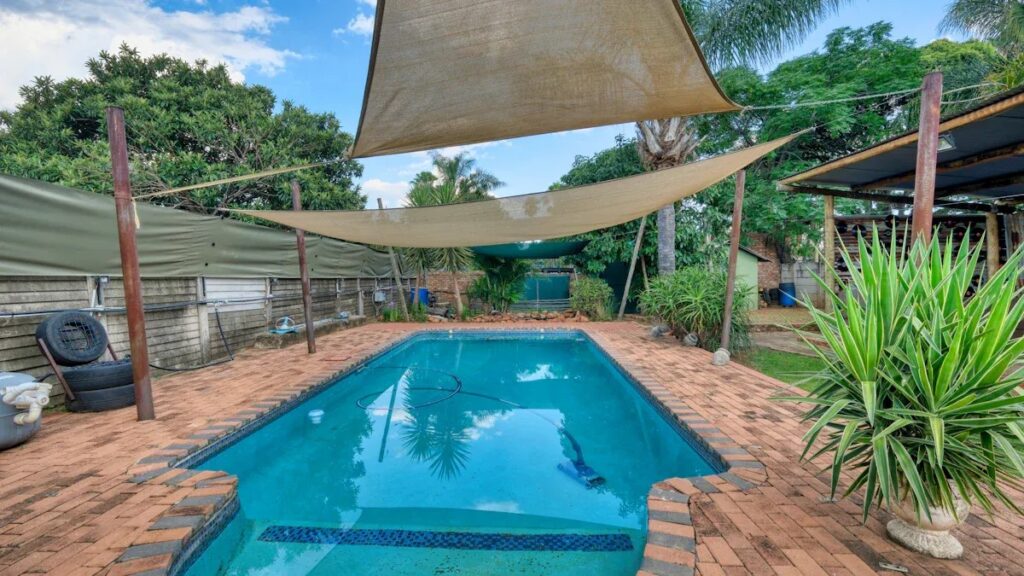
Constructing a simple frame with poles and fabric is an effective way to create shade for your plants. This structure uses a sturdy frame, often made from steel or aluminum, to support the fabric. Steel frames provide excellent durability and load-bearing capacity, while aluminum offers a lightweight alternative. Both materials can be customized into various shapes to suit your garden’s layout.
Fabric structures are also cost-effective compared to traditional roofing methods. They typically range from $20 to $30 per square foot, offering significant savings. Pre-engineered steel frames, while more expensive at around $34 per square foot, ensure long-term reliability. Wood frames may seem economical initially, but often incur additional costs due to weather damage and pest issues.
Tipp: Choose UV-resistant fabric to maximize protection and extend the lifespan of your shade structure.
Using umbrellas or patio furniture for temporary shade
Umbrellas and patio furniture provide quick and practical shading solutions for your garden. Patio umbrellas, designed for outdoor use, are easy to set up and reposition as needed. They not only shield plants from harsh sunlight but also enhance the aesthetic appeal of your garden.
Canopies, often used for large events, can cover wider areas and offer ample cooling. Their popularity has grown significantly, with a market growth rate of 6.5% annually. For smaller spaces, fabric tarps or lightweight umbrellas are affordable and effective options.
Profi-Tipp: Use adjustable umbrellas to control the angle of shade throughout the day.
Repurposing nylon parachutes for larger areas
Nylon parachutes are an innovative choice for shading large garden areas. Their lightweight yet durable fabric provides excellent coverage and UV protection. Parachutes can be suspended between poles or trees, creating a wide canopy that shields plants from direct sunlight.
This method is particularly useful for community gardens or farms where traditional shade structures may be impractical. Nylon parachutes are also reusable, making them a sustainable and cost-efficient option for long-term use.
Hinweis: Ensure the parachute is securely anchored to prevent damage during windy conditions.
Innovative Techniques for Plant Protection
Applying whitewash paint for temporary shading
Whitewash paint offers a simple and cost-effective way to protect your plants from excessive sunlight. By applying a diluted mixture of white latex paint and water to greenhouse panels or glass surfaces, you can create a temporary shading effect. This method reduces the intensity of sunlight while still allowing enough light for photosynthesis.
The reflective properties of whitewash help lower temperatures in your garden, making it ideal for hot climates. You can easily adjust the level of shading by varying the paint-to-water ratio. For example, a 1:1 ratio provides moderate shading, while a 1:2 ratio allows more light to pass through.
Tipp: Use a sponge or sprayer for even application. Reapply as needed after heavy rain or cleaning.
Using Pellon interfacing for lightweight coverage
Pellon interfacing, commonly used in sewing projects, doubles as an excellent shading material for plants. Its lightweight, non-woven fabric allows air and light to pass through while reducing the intensity of direct sunlight. This makes it a great option for delicate plants that require filtered light.
You can drape Pellon over a simple frame or secure it with clips to stakes. Its flexibility makes it easy to cut and shape for custom coverage. Additionally, Pellon is reusable and can be stored compactly when not in use.
Profi-Tipp: Choose medium-weight Pellon for a balance between durability and light filtration.
Sheer drapery panels for filtered light
Sheer drapery panels provide an elegant and functional solution for shading your plants. These panels diffuse sunlight, creating a soft, filtered light that prevents leaf scorching. Their lightweight fabric promotes airflow, reducing the risk of overheating and fungal growth.
You can repurpose old sheer curtains or purchase new ones to match your garden’s aesthetic. Attach them to a frame or hang them from poles for a quick and adjustable setup. Sheer panels work particularly well for container gardens or small raised beds.
Hinweis: Opt for UV-resistant panels to ensure long-lasting protection and durability.
Protecting your plants from excessive sunlight doesn’t require expensive materials. You can use natural shade, repurposed items, or DIY structures to achieve excellent results.
- Gardeners have reported thriving plants under sheer curtains or umbrellas.
- Filtered sunlight improves plant health and productivity, as seen with potted Swiss Chard thriving under a curtain.
Tipp: Evaluate your garden’s needs and available resources to select the best shading method.
With creativity, you can maintain healthy plants without relying on traditional Schattentuch.
 German
  English
  French
  Japanese
  Spanish
  Russian