
You can use pigeon netting, also called bird netting or anti-bird netting, to protect your property, crops, and public spaces from unwanted pigeons and other birds. This physical barrier helps you manage a pigeon problem by blocking access to surfaces where birds often nest or roost. Recent studies show that bird netting reduces crop and structure damage significantly, confirming its reliability for both agricultural and commercial applications. With innovations in bird netting materials and design, you gain a durable, humane, and effective solution for your pigeon problem.
Wichtigste Erkenntnisse
- Pigeon netting acts as a strong physical barrier that keeps birds from nesting or roosting on your property.
- High-quality netting uses durable, UV-stabilized polyethylene that resists weather, fire, and temperature extremes.
- Choosing the right mesh size is important to block the specific birds causing problems while maintaining airflow and light.
- Proper installation with tight, gap-free netting ensures 100% effectiveness and long-lasting bird control.
- Pigeon netting offers a humane, chemical-free solution that protects buildings, crops, and public spaces safely.
- Regular maintenance and inspections prevent damage, fire risks, and keep the netting working well for years.
- Netting works well in many settings, including homes, commercial buildings, farms, and industrial sites.
- Consider professional help for complex installations to ensure safety, durability, and compliance with local rules.
Pigeon Netting
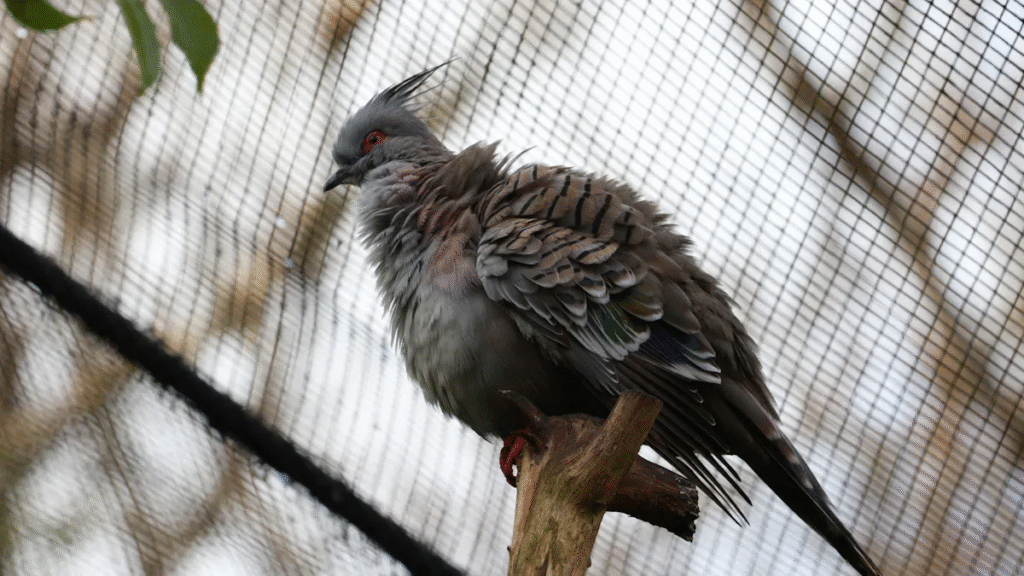
Definition
You use bird netting as a physical barrier to keep birds away from protected areas. This solution, also called pigeon netting or anti-bird netting, prevents birds from roosting or nesting by covering openings and surfaces. Bird netting works in a wide range of environments, including industrial, agricultural, and architectural settings. When you install bird netting correctly, you create a secure, gap-free shield that blocks birds of all sizes. You can rely on this method for humane, long-term exclusion with minimal visual impact. Many professionals recommend bird netting because it offers 100% effectiveness when you maintain and inspect it regularly. You will find that proper installation uses anchors, cables, turnbuckles, and hog rings to keep the netting taut and secure. Some systems even include zippers for easy access without compromising the barrier.
Tipp: Choose the right type of bird netting for your property by considering the size of the birds you want to exclude and the specific areas you need to protect.
Materialien
Bird netting uses advanced materials to ensure durability and performance. Most high-quality products feature UV-stabilized, knotted polyethylene twine. This material resists rot, water, and flame, making it suitable for outdoor and indoor use. You benefit from netting that withstands harsh weather, sunlight, and temperature extremes. For example, black mesh often comes with a 10-year guarantee against UV breakdown and manufacturer defects. The netting design includes six strands of 12/100” thick polyethylene, twisted and knotted for extra strength. You can trust bird netting to remain stable in sub-zero temperatures and resist melting at temperatures above 270°F. The non-conductive properties make it safe for use around electrical equipment. When you select bird netting, you invest in a product tested for break strength and thermal stability, ensuring reliable protection for years.
| Specification Category | Details |
|---|---|
| Material | UV-stabilized knotted polyethylene netting, rot-proof, waterproof, flame-resistant |
| Flame Resistance | Melting point exceeding 270°F (approx. 132°C) |
| Break Strength | Over 40 lbs per twisted strand (ISO 1806, ISO 9001 tested) |
| Thermal Stability | Stable in sub-zero temperatures down to -250°F (approx. -157°C) |
| Electrical Properties | Non-conductive |
| Guarantee | 10-year guarantee for black mesh against defects and UV breakdown |
| Design | Six strands of 12/100” thick polyethylene twine, twisted and knotted |
| Usage | Suitable for pigeon exclusion in commercial, industrial, and residential areas |
Mesh Sizes
You must select the correct mesh size to ensure the bird netting works effectively. Mesh size determines which birds you can exclude. For example:
- 3/4″ mesh stops all birds, including small, medium, and large species.
- 1 1/8″ mesh blocks starlings and larger birds.
- 2″ mesh targets pigeons, seagulls, and other large birds.
When you choose mesh size, match it to the birds causing problems on your property. Smaller mesh sizes offer broader protection but may reduce airflow or light. Larger mesh sizes work well for specific pests like pigeons. You can find different types of bird netting designed for various applications, so always assess your needs before making a selection.
Fire Safety
When you select bird netting for your property, you must consider fire safety as a top priority. Many environments, such as commercial buildings, warehouses, and agricultural facilities, require materials that meet strict fire safety standards. You want to ensure that bird netting does not contribute to fire hazards or compromise the safety of your building and its occupants.
Bird netting manufacturers design their products with fire resistance in mind. Most high-quality bird netting uses UV-stabilized polyethylene, which resists ignition and melting. You benefit from a melting point above 270°F (about 132°C), which means the netting will not easily catch fire or drip molten material if exposed to heat. This feature is especially important in areas with electrical equipment, lighting fixtures, or machinery that may generate heat.
Anmerkung: Always check the fire rating of the bird netting you plan to install. Look for certifications or compliance with local fire codes to ensure you meet all safety requirements.
You should also consider the placement of bird netting in relation to potential fire sources. Avoid installing bird netting directly above open flames, heating vents, or other high-temperature areas. If you must use bird netting in these locations, choose a product specifically labeled as flame-retardant or fire-resistant. Some manufacturers offer bird netting treated with special fire-retardant coatings, which provide an extra layer of protection.
Here is a quick reference table to help you evaluate fire safety features in bird netting:
| Feature | Importance of Fire Safety |
|---|---|
| High melting point | Prevents netting from dripping or igniting easily |
| Flame-retardant rating | Reduces the risk of fire spread |
| Certified materials | Ensures compliance with building codes |
| Non-conductive | Safe for use near electrical equipment |
You must also maintain bird netting regularly to prevent the buildup of dust, debris, or bird droppings, which can become flammable over time. Clean netting helps you reduce fire risks and extend the lifespan of your installation.
If you manage a facility with strict fire regulations, consult with a fire safety professional before installing bird netting. They can help you select the right product and ensure your installation meets all legal and insurance requirements.
Bird netting offers a safe and effective solution for bird control when you follow fire safety guidelines. By choosing the right materials, checking certifications, and maintaining your netting, you protect both your property and the people who use it.
Main Uses
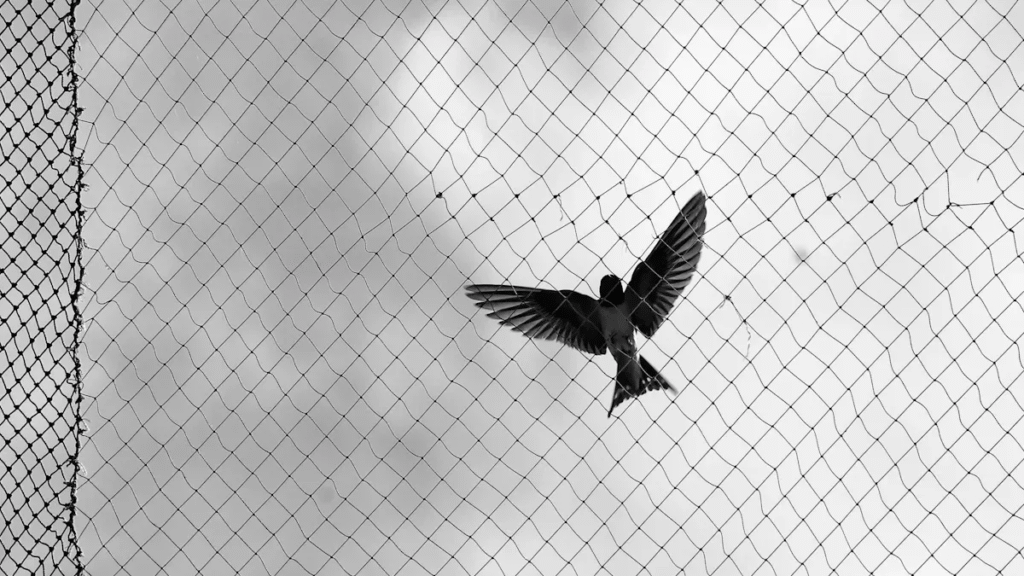
Pigeon netting serves as a versatile solution for bird control across a wide range of environments. You can use it to protect buildings, agricultural assets, and public or industrial spaces from the damage and health risks caused by pigeons and other birds. The adaptability of this method allows you to choose between seasonal and permanent installations, depending on your needs.
Building Protection
Pigeon netting offers reliable protection for both residential and commercial properties. You can install it to block birds from accessing ledges, roofs, and other vulnerable areas.
Wohnen
In residential settings, you often face issues with pigeons nesting on balconies, window sills, and under eaves. Pigeon netting creates a physical barrier that keeps birds away from these spots, reducing mess and noise. You can also use it to protect rooftop gardens, patios, and solar panels. Many homeowners appreciate that netting blends with building aesthetics, especially when painted or selected in neutral colors.
Kommerziell
Commercial buildings face unique challenges due to their size and complexity. You can use pigeon netting to safeguard parking structures, high-rise buildings, retail properties, and hospitality venues. Facilities such as hospitals and medical centers benefit from netting by maintaining sanitary conditions and preventing bird-related health hazards. Netting also protects HVAC equipment, loading docks, and architectural features from bird droppings and nesting debris.
Tipp: Regular inspections and maintenance help you maximize the lifespan and effectiveness of your bird control system.
You will find that pigeon netting adapts to a variety of structures, including historic buildings, street lights, and under solar panels. The Internet Center for Wildlife Damage Management highlights that 1-inch mesh UV-stabilized netting can screen ornamental architecture for up to 10 years, while nylon netting works well under rafters in barns and sheds.
Landwirtschaft
Bird control is critical in agriculture, where birds can cause significant crop and livestock losses. Pigeon netting provides a practical and environmentally safe way to protect your investment.
Crops
You can use netting to cover entire fields, orchards, or vineyards, preventing birds from feeding on ripening fruits and vegetables. Scientific studies show that exclusion netting, such as anti-hail netting in vineyards, effectively reduces bird-related crop damage and increases yield. While research on pigeon-specific netting continues, growers report that netting remains one of the most reliable bird control methods for crops.
| Netting Type | Material(s) | Application/Use Case |
|---|---|---|
| Pop-up bird netting | Polyethylene | Protects berries and greens in gardens |
| Crop Cage | Steel frame, polypropylene, polyester | Shields ripening berries and vegetables |
| No-Knot Bird netting | UV-protected polypropylene | Blocks birds from roofs, warehouses, and enclosures |
You can select from various netting types and materials to match your crop and growing environment.
Viehbestand
You also need to protect livestock areas from pigeons and other birds. Birds can contaminate feed and water, spread disease, and create unsanitary conditions. By installing pigeon netting over barns, sheds, and animal enclosures, you reduce these risks and maintain a healthier environment for your animals. Access panels in netting systems allow you to perform routine maintenance without compromising protection.
Public & Industrial Areas
Pigeon netting plays a vital role in public spaces and industrial facilities. You can use it to manage bird populations in open areas, warehouses, and infrastructure sites.
- Parking structures
- Open spaces
- Industrial plants
- Educational campuses
- Medical centers
- Urban downtowns
- Power stations
Case studies from industrial and public settings demonstrate the effectiveness of pigeon netting. For example, a chemical plant in South Carolina reduced its pigeon population to just five birds within six months by combining netting with other control methods. Educational campuses and medical centers have also achieved dramatic reductions in bird numbers, improving safety and reducing maintenance costs.
| Location / Facility | Setting Type | Control Methods Used | Outcome Summary |
|---|---|---|---|
| Chemical Plant, South Carolina | Industrial Plant | Fertility control, trapping, and netting | Reduced pigeon population to 5 within 6 months |
| PIMA Community College, Arizona | Educational Campus | Integrated methods, including netting | Reduced the flock from 200 to about 5 pigeons |
| Memorial-Hermann Medical Center, Texas | Medical Campus | Combined methods, including netting | Controlled a population of nearly 2,000 pigeons, reduced health risks, and debri.s |
| Downtown Walla Walla, Washington | Urban Downtown | Integrated control with netting | Significant population reduction within two seasons |
You can choose between seasonal netting, which you remove after harvest or migration, and permanent installations for year-round protection. The flexibility of pigeon netting makes it a preferred choice for long-term bird control in diverse environments.

Barrier Function
Pigeon netting creates a physical barrier that stops birds from entering protected spaces. You stretch the netting tightly over openings, ledges, or crops. This barrier blocks pigeons from landing, nesting, or roosting. You do not need to harm the birds or use chemicals. The netting forms a simple yet effective shield. You can rely on this method to keep pigeons away from balconies, rooftops, and gardens. Many property owners choose this solution because it works in many environments and does not disrupt daily activities.
Tipp: Always check for gaps or loose sections after installation. Even small openings can let birds slip through.
Einrichtung
You can install pigeon netting on almost any structure. Start by measuring the area you want to protect. Cut the netting to fit, leaving extra material for secure attachment. Use anchors, cables, or hooks to fasten the netting. Pull the netting tight to prevent sagging. For large spaces, you may need to use support wires or frames. Many kits include all the hardware you need. You can install netting as a temporary or permanent solution. Seasonal netting works well for crops, while permanent netting suits buildings and industrial sites.
Here is a basic installation checklist:
- Measure the area.
- Select the right mesh size.
- Cut the netting to fit.
- Attach anchors or hooks.
- Stretch the netting tightly.
- Inspect for gaps.
Anmerkung: If you have a complex structure, consider hiring a professional installer. Proper installation ensures the netting remains effective and safe.
Humane Solution
Pigeon netting stands out as one of the most humane methods of pigeon control. You do not trap, poison, or injure the birds. Instead, you guide them to find other places to nest or roost. This approach respects wildlife and meets animal welfare standards. Many organizations recommend netting because it prevents property damage without causing harm. You also avoid the mess and health risks linked to pigeons. When you use this solution, you protect your property and the birds at the same time.
🕊️ Humane bird control helps you maintain a safe, clean environment while supporting ethical practices.
Effectiveness
Success Rate
You can expect pigeon netting to deliver a high success rate in controlling bird populations. When you install netting correctly, it blocks pigeons from accessing nesting and roosting sites. This method works well for both small and large areas. Research supports its effectiveness:
- A two-year study by Harris et al. (2016) on a South African university campus showed that physical barriers, such as bird spikes and netting, reduced pigeon populations by nearly 70%.
- The same research found that using multiple deterrents, including netting, led to a 45% decrease in pigeon numbers.
- Stukenholtz et al. (2019) reported that netting and mesh screens significantly lowered reproductive rates and overall abundance by excluding pigeons from critical sites.
These results confirm that pigeon netting provides a reliable solution for long-term bird control. You can trust this approach to protect your property, crops, or public spaces from persistent pigeon problems.
Dauerhaftigkeit
You benefit from the durability of modern pigeon netting. Manufacturers design netting with UV-stabilized polyethylene or similar materials. This construction resists weather, sunlight, and temperature extremes. You can use netting outdoors year-round without worrying about rapid wear or breakdown. Many products come with warranties that last up to ten years. You will find that netting maintains its strength even in harsh environments, such as industrial sites or exposed rooftops. The non-conductive and flame-resistant properties add another layer of safety and longevity.
Tipp: Choose netting with a proven track record for durability. Look for products with strong break strength and resistance to rot or mold.
Wartung
You must maintain pigeon netting to keep it effective. Regular inspections help you spot any damage, sagging, or gaps. Clean the netting to remove dust, debris, and bird droppings. This step prevents buildup that could become a fire hazard or reduce the netting’s lifespan. If you notice any tears or loose sections, repair them promptly. Most maintenance tasks require only basic tools and minimal effort. Well-maintained netting continues to protect your property for many years. You save time and money by preventing recurring bird problems and reducing the need for frequent replacements.
Pros and Cons
Vorteile
Pigeon netting gives you a reliable and humane way to control bird problems. You can use it in many settings, from homes to large industrial sites. The netting creates a physical barrier that prevents pigeons from landing, nesting, or roosting. You do not need to use chemicals or traps, so you avoid harming the birds. Many property owners appreciate that netting blends with building designs, especially when you choose neutral colors or custom options.
You benefit from long-lasting protection. Modern netting materials resist UV rays, moisture, and extreme temperatures. You can expect years of service with minimal maintenance. The netting also helps you maintain clean and safe environments by reducing droppings and debris. This lowers cleaning costs and protects surfaces from damage. You can install netting as a temporary or permanent solution, giving you flexibility for seasonal or year-round needs.
Tipp: Choose high-quality netting with proven durability to maximize your investment and reduce long-term maintenance.
Benachteiligungen
While pigeon netting offers many benefits, you should consider its limitations before making a decision. Some challenges and drawbacks include:
- Netting loses effectiveness if you leave gaps or holes, allowing birds to enter protected areas.
- You only protect specific parts of a building, not the entire structure.
- Installation can be difficult, time-consuming, and costly, especially for large or complex sites.
- Netting may obscure architectural features or affect the appearance of your property.
- Improper installation, such as sagging or loose sections, reduces effectiveness and can lead to failure.
You need to plan carefully and inspect your installation regularly. Even small mistakes can compromise the system. Many property owners choose professional installers to avoid these issues.
Cost
When you evaluate pigeon netting, you should look beyond the upfront price. The true value comes from balancing cost with durability and performance. Experts recommend using the Equivalent Annual Cost (EAC) metric. This approach helps you compare products by considering both price and expected lifespan. You focus on operational cost per year, not just the initial expense.
- Longer-lasting netting can reduce your annual cost by up to 20% compared to shorter-lived options, even if the unit price is slightly higher.
- Small increases in price often yield much more durable products, making durability a key factor in cost-effectiveness.
- The EAC metric does not include all costs, such as installation or distribution, but it gives you a practical way to judge value.
- Factors like fabric integrity and resistance to wear directly impact how long your netting will last and how much you spend over time.
Anmerkung: Always consider the expected life of the netting under your local conditions. Investing in quality materials can save you money and effort in the long run.
You can use this cost-per-effective-year approach to guide your investment. By focusing on durability and functional survival, you make smarter decisions and get better results from your pigeon control efforts.
Alternatives for Pigeon Control
When you consider pigeon control, you have several options beyond netting. Each method offers unique benefits and challenges. Understanding these alternatives helps you choose the best solution for your property or facility.
Other Barriers
Physical barriers work well for many bird control situations. You can use bird spikes, wire systems, or electric track systems to keep pigeons from landing on ledges, signs, and beams. Spikes create an uneven surface that pigeons avoid. Wire systems use tensioned cables to block perching spots. Electric tracks deliver a mild shock that discourages birds without causing harm.
| Barrier Type | Best Use Case | Pros | Cons |
|---|---|---|---|
| Bird Spikes | Ledges, signs | Easy to install, durable | Visible, not for all areas |
| Wire Systems | Beams, pipes | Discreet, long-lasting | Needs regular tension check |
| Electric Tracks | Rooflines, sills | Effective, humane | Higher cost, needs power |
You should select a barrier based on the structure and the level of pigeon activity. Barriers often work best when combined with other pigeon control methods.
Deterrents
Deterrents use sensory cues to make areas less attractive to pigeons. Visual deterrents include reflective tape, predator decoys, and moving objects. Auditory deterrents use distress calls or ultrasonic devices to scare birds away. Chemical repellents create an unpleasant surface that pigeons avoid.
- Visual deterrents: Easy to install, but pigeons may get used to them over time.
- Auditory deterrents: Cover large areas, but may disturb people nearby.
- Chemical repellents: Work on small surfaces, but need frequent reapplication.
Tipp: Rotate deterrents regularly to prevent pigeons from adapting to them.
Deterrents provide a flexible approach, but you may need to combine them with barriers or netting for long-term results.
Professional Services
Professional pigeon control services offer expertise and advanced solutions. You can hire specialists to assess your site, recommend strategies, and install products safely. Professionals use integrated pest management, combining barriers, deterrents, and sometimes humane trapping or relocation.
You benefit from professional-grade materials and guaranteed results. Services often include regular inspections and maintenance. This approach saves you time and ensures compliance with local regulations.
If you face a severe or persistent pigeon problem, professional help gives you peace of mind and long-lasting protection.
Choosing the right pigeon control method depends on your needs, budget, and the severity of the issue. By comparing netting, barriers, deterrents, and professional services, you can create an effective bird control plan for any environment.
Choosing Bird Netting
Assessing Needs
You should start by evaluating your specific situation before selecting bird netting. Identify the type of birds causing problems on your property. Measure the areas you want to protect, such as balconies, rooftops, or crop fields. Consider the environment—urban, agricultural, or industrial. Each setting may require a different approach. Think about whether you need a temporary or permanent solution. For example, seasonal crop protection may call for removable bird netting, while building protection often requires a long-term installation.
Tipp: Write down your goals and challenges. This step helps you communicate clearly with suppliers or installers.
You also need to check local regulations. Some areas have rules about wildlife control or building modifications. Make sure your bird netting plan complies with these requirements.
Comparing Options
You will find many types of bird netting on the market. Compare materials, mesh sizes, and installation methods to match your needs. UV-stabilized polyethylene netting works well for most outdoor uses. Flame-resistant options provide extra safety for industrial sites. Mesh size matters. Smaller mesh keeps out all birds, while larger mesh targets only pigeons or similar species.
Here is a quick comparison table to help you decide:
| Feature | Option A: Standard Netting | Option B: Heavy-Duty Netting | Option C: Flame-Resistant Netting |
|---|---|---|---|
| Material | Polyethylene | Reinforced Polyethylene | Treated Polyethylene |
| Mesh Size | 3/4″, 1 1/8″, 2″ | 3/4″, 2″ | 3/4″, 2″ |
| Dauerhaftigkeit | 5-7 years | 10+ years | 10+ years |
| Fire Safety | Basic | Enhanced | Hoch |
| Best For | Homes, gardens | Warehouses, large buildings | Industrial, electrical areas |
You should also consider the color and visibility of the netting. Black netting often blends best with most backgrounds. Some products offer custom colors to match your building or landscape.
When you compare bird netting options, focus on durability, safety, and ease of installation. Ask for product samples if possible.
When to Get Help
You may handle small bird netting projects yourself. For complex or large-scale installations, professional help makes sense. Experts can assess your site, recommend the right products, and ensure proper installation. This step prevents gaps or sagging that reduce effectiveness. Professionals also know how to meet local codes and safety standards.
If you manage a commercial property, agricultural operation, or public facility, you benefit from expert advice. Many companies offer maintenance plans to keep your bird netting in top condition. You save time and avoid costly mistakes by working with experienced installers.
🛠️ If you feel unsure about any part of the process, reach out to a bird control specialist. You protect your investment and achieve better results.
Pigeon netting stands out as a proven, humane solution for protecting buildings, crops, and public spaces. Experts such as the Humane Society endorse it for its ability to exclude birds without harm, offering long-lasting resul, s—often up to 15 years. You gain the most from UV-stable materials and professional installation, which ensure durability and seamless integration with your property. Assess your needs carefully and weigh netting against other options to achieve effective, ethical bird control.
 German
  English
  French
  Japanese
  Spanish
  Russian