
When it comes to creating shaded areas, you have two popular options: shade sails and shade nets. Both serve distinct purposes and cater to different needs. Shade sails are crafted from durable fabric and offer an elegant solution for outdoor spaces. On the other hand, shade nets, often made from lightweight materials, excel in agricultural and gardening environments. The choice between these depends on factors like durability, cost, and intended application. For instance, if you’re considering a stylish yet functional option, a shade cloth might be ideal for your outdoor area.
What is a Shade Sail?
Definition and Purpose
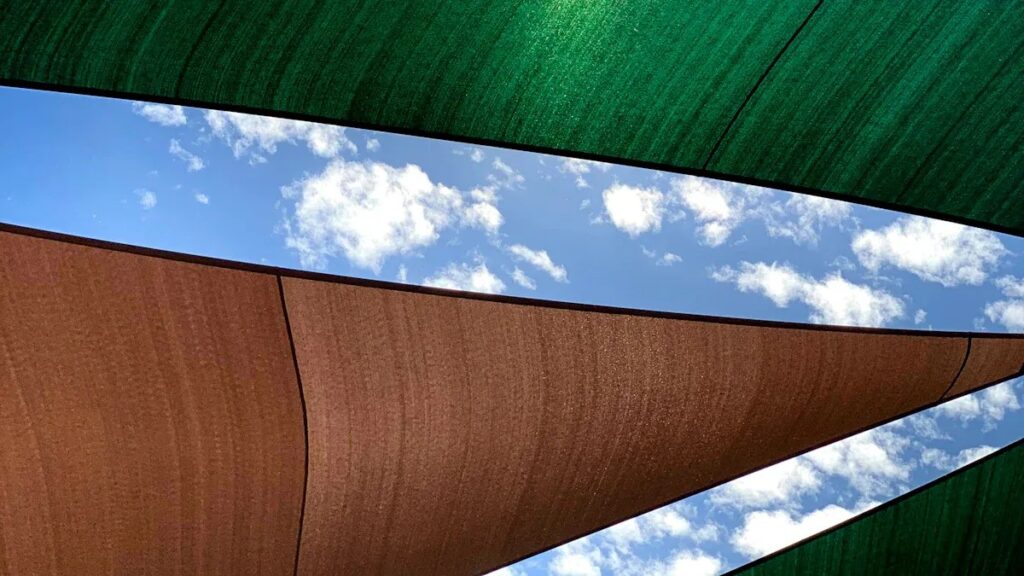
A shade sail is a versatile outdoor shading solution designed to protect from the sun’s harmful rays. Its name originates from its sail-like appearance, as it is typically stretched between anchor points to create a canopy. You can use shade sails to enhance comfort in outdoor spaces while adding a touch of elegance. These structures are ideal for reducing heat and UV exposure, making them a popular choice for residential, commercial, and recreational areas.
Materials Used
Shade sails are crafted from high-performance fabrics that ensure durability and effective sun protection. The most common materials include:
- Polyethylene: Lightweight, cost-effective, and resistant to mold and mildew.
- Polyester: Known for its high UV resistance, durability, and ease of maintenance.
- Vinyl-coated polyester: Offers enhanced strength and stability, making it suitable for long-term use.
- Segeltuch: Provides excellent water resistance and is ideal for areas prone to rain.
| Fabric Type | UV-Beständigkeit | Dauerhaftigkeit | Additional Benefits |
|---|---|---|---|
| Polyethylene | Hoch | Strong | Lightweight, cost-effective, resistant to mold/mildew |
| Polypropylene | Moderate | Resilient | More resistant to wear and tear |
| Polyester | Hoch | Hoch | Resistant to stretching, mold, and easy to wash |
| Nylon | Moderate | Flexible | Lightweight, stable from UV rays and moisture |
| Segeltuch | Hoch | Strong | Excellent water sealing capacity |
Some premium shade sails, such as those made from Polytex or Phifertex, incorporate advanced coatings to improve UV resistance and mildew protection. These materials ensure that your shade sail remains functional and visually appealing over time.
Common Applications
Shade sails are widely used in various settings due to their adaptability and aesthetic appeal. You can find them in:
- Residential spaces: Covering patios, decks, and gardens to create comfortable outdoor living areas.
- Commercial properties: Providing shade for outdoor seating in cafes, restaurants, and shopping centers.
- Public spaces: Enhancing comfort in parks, playgrounds, and community centers.
- Sports facilities: Offering sun protection for spectators and players in outdoor arenas.
Their ability to combine functionality with style makes shade sails a preferred choice for anyone looking to improve outdoor spaces. Whether you need a practical solution or a decorative feature, a shade sail can meet your requirements effectively.
What is a Shade Net?
Definition and Purpose
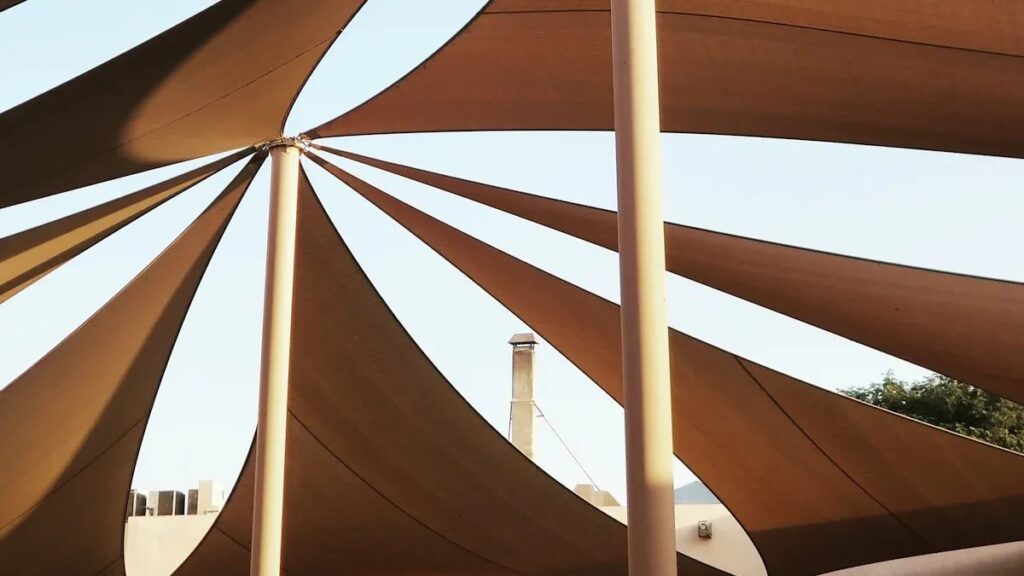
A shade net is a lightweight, woven or knitted material designed to provide partial protection from sunlight. It is primarily used in agriculture and gardening to create controlled environments that enhance plant growth. By filtering sunlight, shade nets regulate temperature and humidity levels, which are crucial for healthy crops. These nets also serve as a barrier against pests and environmental stressors, making them an essential tool for sustainable farming practices.
| Function of Shade Nets | Beschreibung |
|---|---|
| Controlled Environment | Filters sunlight and regulates temperature to improve crop growth. |
| Water Conservation | Reduces water loss, aiding sustainable farming. |
| Pest Protection | Blocks insects and pests, minimizing the need for chemical pesticides. |
| Crop Quality Improvement | Shields crops from extreme heat, enhancing quality and yield. |
Shade nets are versatile and cost-effective. You can use them to cover trellis structures or as vertical windbreaks. They also work well when applied horizontally over crops, offering protection from harsh weather conditions.
Materials Used
Shade nets are typically made from high-density polyethylene (HDPE), which is lightweight, durable, and resistant to UV rays. HDPE materials are treated with stabilizers to ensure longevity, even under prolonged exposure to sunlight. Some shade nets incorporate additives to enhance their resistance to wear and tear, making them suitable for long-term agricultural use.
The material’s flexibility allows it to be easily installed over various structures, including greenhouses and open fields. Its lightweight nature ensures that it does not damage delicate plants while providing adequate protection.
Common Applications
Shade nets are widely used in agriculture, gardening, and horticulture. In agriculture, they protect crops from excessive sunlight, wind, and pests, leading to improved yields and better-quality produce. They also help conserve water by reducing evaporation rates.
In gardening, shade nets are ideal for creating shaded areas for delicate plants, such as orchids and ferns. They are also used in nurseries to protect seedlings from harsh environmental conditions. Additionally, shade nets play a role in climate adaptation by mitigating heat stress and maintaining optimal microclimates for plants.
| Application Area | Benefits |
|---|---|
| Landwirtschaft | Protects crops from sunlight, wind, and pests, improving yield quality. |
| Climate Adaptation | Maintains optimal microclimates, reducing heat stress on crops. |
| Sustainable Practices | Enhances productivity and supports food security. |
With global temperatures rising and extreme weather events becoming more frequent, shade nets offer a practical solution for protecting crops and ensuring sustainable farming practices.
Key Differences Between Shade Sail and Shade Net

Material and Design
Shade sails and shade nets differ significantly in their materials and design. Shade sails are made from durable fabrics like polyethylene, polyester, or vinyl-coated materials. These fabrics are designed to block UV rays effectively while maintaining a stylish appearance. The sail-like design allows you to create unique geometric shapes, adding an aesthetic touch to outdoor spaces.
Shade nets, on the other hand, are crafted from lightweight, woven or knitted high-density polyethylene (HDPE). Their design prioritizes functionality over style, focusing on providing partial shade and protection for plants. Unlike shade sails, shade nets are often available in rolls or sheets, making them easy to customize for agricultural or gardening purposes.
| Feature | Sonnensegel | Schattierungsnetz |
|---|---|---|
| Material | Polyethylene, polyester, vinyl | High-density polyethylene (HDPE) |
| Design | Stylish, geometric shapes | Functional, customizable sheets |
| Primary Focus | Aesthetic and UV protection | Plant protection and climate control |
Tipp: If you need a solution for outdoor shading that combines style and functionality, a shade cloth like a shade sail might be your best choice.
Dauerhaftigkeit und Langlebigkeit
When it comes to durability, shade sails outperform shade nets. The high-quality fabrics used in shade sails are designed to withstand harsh weather conditions, including strong winds and heavy rain. Many shade sails also feature UV-resistant coatings, ensuring they last for years without fading or degrading.
Shade nets, while durable, are not as robust as shade sails. Their lightweight construction makes them more susceptible to wear and tear, especially in extreme weather. However, they are treated with UV stabilizers to extend their lifespan under prolonged sunlight exposure. If you prioritize longevity, shade sails are a better option for outdoor spaces, while shade nets are ideal for temporary or seasonal use in agriculture.
Installation und Wartung
Installing a shade sail requires careful planning and professional tools. You need to anchor the sail securely to fixed points, such as poles or walls, to ensure stability. The process may involve tensioning the fabric to achieve the desired shape and coverage. Maintenance is relatively simple, as shade sails only require occasional cleaning and inspection for wear.
Shade nets are easier to install and maintain. You can drape them over structures like greenhouses or trellises without specialized tools. Their lightweight nature makes them easy to handle, even for large-scale applications. Maintenance involves checking for tears and ensuring the net remains taut to provide effective coverage.
Anmerkung: If you prefer a low-maintenance option, shade nets are more convenient. However, for a long-term shading solution, investing in a shade sail is worth considering.
Cost Comparison
When deciding between a shade sail and a shade net, cost plays a significant role. Both options vary in price depending on factors like material quality, size, and intended use. Understanding these differences can help you make an informed decision.
- Shade Sails:
Shade sails are generally more expensive than shade nets. The higher cost reflects their durable materials, UV-resistant coatings, and stylish designs. Custom-made shade sails, especially those with premium fabrics like vinyl-coated polyester, can further increase the price. Installation costs also add to the expense, as you may need professional assistance to secure the sail properly. However, the long lifespan and aesthetic appeal of shade sails often justify the investment for residential or commercial use. - Shade Nets:
Shade nets are a more budget-friendly option. Their lightweight construction and simpler design make them less expensive to produce and install. You can purchase shade nets in rolls or sheets, which allows you to cover large areas at a lower cost. While they may not last as long as shade sails, their affordability makes them an excellent choice for temporary or seasonal applications, particularly in agriculture and gardening.
| Feature | Sonnensegel | Schattierungsnetz |
|---|---|---|
| Initial Cost | Higher | Lower |
| Installation Expense | Mäßig bis hoch | Niedrig |
| Longevity | Long-term investment | Short to medium-term use |
Tipp: If you need a cost-effective solution for agricultural purposes, a shade net is ideal. For a long-lasting and visually appealing option, consider investing in a shade sail.
Applications and Use Cases
The applications of shade sails and shade nets differ significantly due to their unique designs and purposes. Choosing the right option depends on your specific needs.
- Shade Sails:
Shade sails excel in outdoor spaces where aesthetics and durability are priorities. You can use them to create shaded areas in:- Residential settings: Cover patios, decks, or swimming pools to enhance comfort and style.
- Commercial spaces: Provide shade for outdoor seating in restaurants, cafes, or shopping centers.
- Public areas: Improve comfort in parks, playgrounds, and community spaces.
- Sports facilities: Protect spectators and players from the sun in outdoor arenas.
Their ability to combine functionality with elegance makes them a popular choice for enhancing outdoor environments.
- Shade Nets:
Shade nets are primarily used in agriculture and gardening. They offer practical solutions for:- Crop protection: Shield plants from excessive sunlight, wind, and pests.
- Water conservation: Reduce evaporation rates, helping you save water.
- Baumschulen: Protect seedlings and delicate plants from harsh environmental conditions.
- Climate adaptation: Create controlled environments to mitigate heat stress and improve crop yields.
Shade nets are also versatile enough to serve as windbreaks or temporary covers for outdoor events.
| Use Case | Sonnensegel | Schattierungsnetz |
|---|---|---|
| Verwendung für Wohnzwecke | Patios, decks, and pools | Not commonly used |
| Kommerzielle Nutzung | Restaurants, cafes, malls | Limited applications |
| Landwirtschaftliche Nutzung | Rarely used | Crop protection, nurseries |
| Temporary Events | Stylish outdoor shading | Cost-effective coverage |
Hinweis: If you’re looking for a stylish outdoor shading solution, a shade cloth like a shade sail is perfect. For agricultural or gardening needs, shade nets provide unmatched practicality.
Pros and Cons of Shade Sail and Shade Net
Advantages of Shade Sails
Shade sails offer several benefits that make them a preferred choice for outdoor shading. Their stylish designs and customizable options allow you to enhance the aesthetic appeal of your space. Approximately 70% of consumers prefer outdoor products with customizable designs and colors. Additionally, 65% of buyers are more likely to choose patio shade sails that match their home decor or garden themes. This flexibility ensures you can create a cohesive and visually pleasing environment.
Durability is another key advantage. High-quality materials like polyethylene and vinyl-coated polyester provide excellent UV protection and withstand harsh weather conditions. Many shade sails also feature eco-conscious designs, aligning with the growing demand for sustainable products, which has increased by 25% in recent years. These features make shade sails a long-term investment for residential and commercial spaces.
Disadvantages of Shade Sails
Despite their benefits, shade sails come with certain drawbacks. Installation can be challenging, especially for larger sails. Maintaining proper tension and ensuring wind resistance often requires professional assistance. Oversized sails may sag or develop tension issues, reducing their effectiveness.
Maintenance is another consideration. Larger shade sails demand more effort to clean and maintain. Misjudging the size can lead to additional challenges, as bigger sails are harder to handle and may not always perform better. These factors can impact the overall longevity and functionality of the shade sail.
Advantages of Shade Nets
Shade nets excel in agricultural and gardening applications. They provide partial sunlight protection, which helps regulate temperature and humidity levels. This controlled environment improves crop yields and enhances produce quality. Protected cultivation methods, including shade nets, have been shown to boost rural economies by increasing income stability for farmers.
Environmental benefits also make shade nets a valuable tool. They improve resource efficiency by reducing water evaporation and pesticide usage. Socially, shade nets promote community engagement and gender inclusion in farming practices. Their lightweight design and affordability further enhance their practicality, making them an essential component of sustainable agriculture.
Disadvantages of Shade Nets
While shade nets offer numerous benefits, they also come with limitations that you should consider before choosing them for your application. These drawbacks can impact their effectiveness, especially in specific environments or for certain crops.
One significant disadvantage is their potential to disrupt natural ventilation. When you use shade nets in greenhouses or similar structures, they can reduce airflow, which negatively affects the microclimate. Poor ventilation may lead to increased humidity levels, creating conditions that promote fungal growth and other plant diseases.
Another issue arises from the shading effect itself. While shade nets lower air temperature by reducing incoming radiant energy, this cooling effect may not suit all crops. For instance, plants that thrive in warmer conditions might experience slower growth or reduced yields under excessive shading.
Hinweis: The shading effect can lower greenhouse air temperatures by 5-10°C, which significantly alters the microclimate.
Additionally, shade nets can reduce global radiation by over 40%. While this decreases crop water requirements, it may also limit photosynthesis, affecting overall plant health. You should carefully evaluate whether this trade-off aligns with your agricultural goals.
| Evidence Description | Auswirkungen |
|---|---|
| Decreased effectiveness of natural roof ventilation when curtains/screens are deployed | Negatively affects the greenhouse microclimate |
| Reduction of incoming radiant energy | Potentially reduces air temperature |
| Combination of shading screens with cooling can lower greenhouse air temperature by 5-10°C. | Alters the microclimate significantly |
| Shading reduced mean global radiation by over 40% | Affects crop water requirements and microclimate |
Lastly, the lightweight construction of shade nets, while advantageous for ease of installation, makes them less durable. Prolonged exposure to harsh weather conditions, such as strong winds or heavy rain, can cause wear and tear. This reduces their lifespan and may require frequent replacements, increasing long-term costs.
Tipp: If you plan to use shade nets, ensure they are suitable for your specific crops and environmental conditions to maximize their benefits while minimizing these drawbacks.
How to Choose Between Shade Sail and Shade Net
Consider Your Specific Needs
Your specific needs play a crucial role in determining whether a shade sail or shade net is the right choice. Start by evaluating the purpose of the shading solution. If you need a stylish and durable option for outdoor spaces, shade sails offer a wide range of designs and materials to suit your preferences. For instance, permeable fabrics allow airflow, while water-repellent options provide protection during rainy weather. The color of the shade sail also influences the atmosphere and thermal comfort. Darker shades block more sunlight, enhancing UV protection, while lighter colors brighten the space and create a more open feel.
On the other hand, shade nets excel in agricultural and gardening applications. Their lightweight construction and ability to regulate temperature make them ideal for protecting crops and plants. You can customize the size and shape of the net to fit your specific requirements, ensuring maximum coverage and functionality. Whether you need to shield delicate seedlings or create a controlled environment for crops, shade nets provide a practical and cost-effective solution.
Tipp: Consider the size, shape, and material properties of the shading structure to ensure it aligns with your intended use and environmental conditions.
Evaluate Budget and Longevity
Budget and longevity are critical factors when choosing between shade sails and shade nets. Shade sails typically require a higher initial investment due to their durable materials and stylish designs. However, their long lifespan often offsets the upfront cost, making them a worthwhile choice for permanent installations. If you plan to use a shade sail for residential or commercial purposes, the added durability and aesthetic appeal justify the expense.
Shade nets, on the other hand, are more affordable and suitable for temporary or seasonal use. Their lightweight construction reduces production and installation costs, making them an excellent option for large-scale agricultural applications. While shade nets may not last as long as shade sails, their affordability ensures you can replace them without straining your budget.
| Feature | Sonnensegel | Schattierungsnetz |
|---|---|---|
| Initial Cost | Higher | Lower |
| Longevity | Long-term investment | Short to medium-term use |
| Best Use Case | Permanent installations | Temporary or seasonal applications |
Hinweis: If you prioritize durability and aesthetics, invest in a shade sail. For cost-effective solutions in agriculture, shade nets are the better choice.
Match the Product to the Environment
Matching the shading product to the environment ensures optimal performance and sustainability. Shade sails work best in outdoor spaces where aesthetics and UV protection are essential. For example, residential patios, commercial seating areas, and public parks benefit from the stylish designs and durable materials of shade sails. Their ability to withstand harsh weather conditions makes them suitable for long-term use in diverse climates.
Shade nets are tailored for agricultural and gardening environments. They regulate temperature and humidity, creating controlled microclimates that enhance crop growth. Studies on agroforestry and ecological practices highlight the importance of aligning product characteristics with environmental needs. For instance, agroforestry practices improve agricultural productivity and ecosystem services, while shading solutions like shade nets contribute to climate regulation and pollination services.
| Study Title | Authors | Summary |
|---|---|---|
| Evidence for the impacts of agroforestry on agricultural productivity, ecosystem services, and human well-being in high-income countries | Haddaway NR et al. | Agroforestry practices enhance productivity and ecosystem services, aligning product characteristics with environmental benefits in agricultural settings. |
| Impacts of selected ecological focus area options in European farmed landscapes on climate regulation and pollination services | Ottoy S et al. | Ecological practices improve climate regulation and pollination, supporting the alignment of product characteristics with environmental needs in agricultural landscapes. |
Tipp: Assess the environmental conditions and intended use before selecting a shading solution. Shade sails are ideal for stylish outdoor spaces, while shade nets excel in agricultural and gardening applications.
Shade sails and shade nets cater to distinct needs, making your choice dependent on specific requirements. Shade sails provide durable, stylish shading for outdoor spaces, while shade nets excel in agricultural and gardening applications.
Tipp: Evaluate factors like material quality, cost, and longevity before deciding. Consider the environment and purpose to ensure the solution aligns with your goals.
Both options offer unique benefits. Shade sails enhance aesthetics and comfort, while shade nets improve crop protection and resource efficiency. By assessing your priorities, you can select the ideal shading solution for your space.
 German
  English
  French
  Japanese
  Spanish
  Russian