
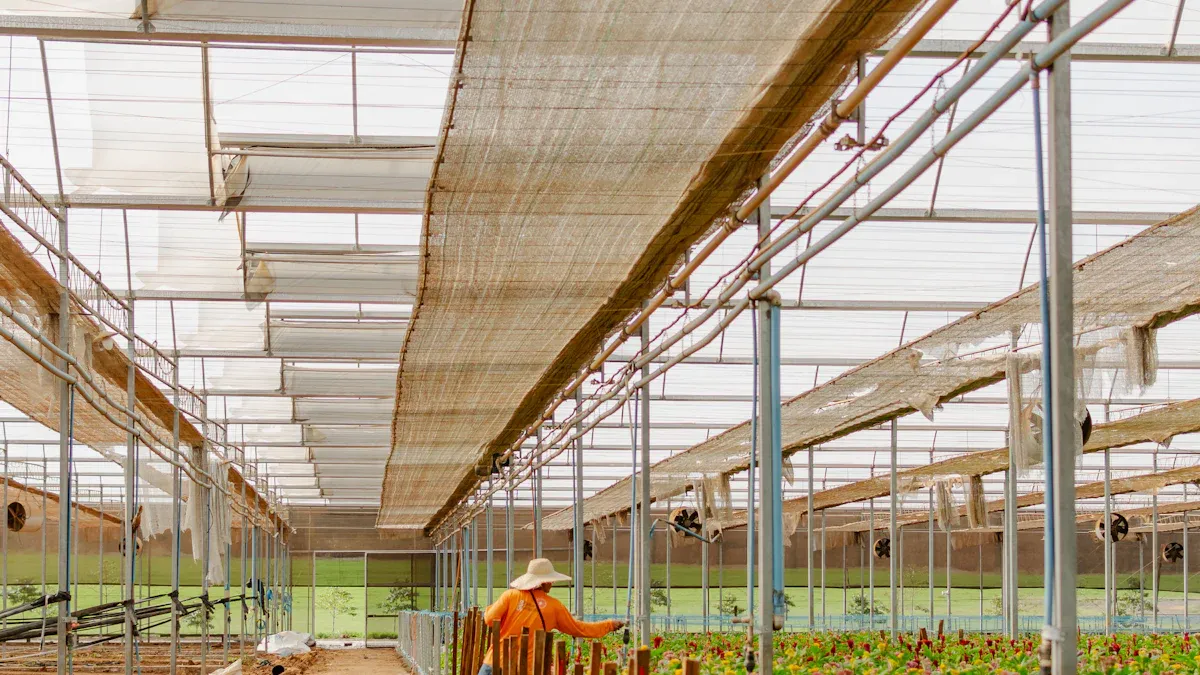
Modern farming faces numerous environmental challenges, making it critical to adopt innovative solutions like agriculture redes de sombra. These nets provide an effective way to regulate sunlight, ensuring plants receive the optimal amount for growth. They also help you protect crops from pests and diseases while reducing water evaporation, which conserves resources. The global demand for shade nets continues to rise, with the market expected to grow from USD 1.2 billion in 2023 to USD 2.3 billion by 2032, driven by farmers’ need to enhance crop yield and quality. By incorporating this technology, you can achieve sustainable farming practices and adapt to changing climates.
Principales conclusiones
- Shade nets control sunlight, giving plants the right light to grow well.
- They shield crops from bugs and diseases, cutting down on pesticide use.
- Shade nets save water by stopping too much evaporation and keeping soil wet.
- Good shade nets help grow more and better crops, boosting farmers’ earnings.
- Taking care of shade nets and replacing them on time keeps them working longer.
Benefits of Agriculture Shade Nets
Sunlight Regulation for Optimal Plant Growth
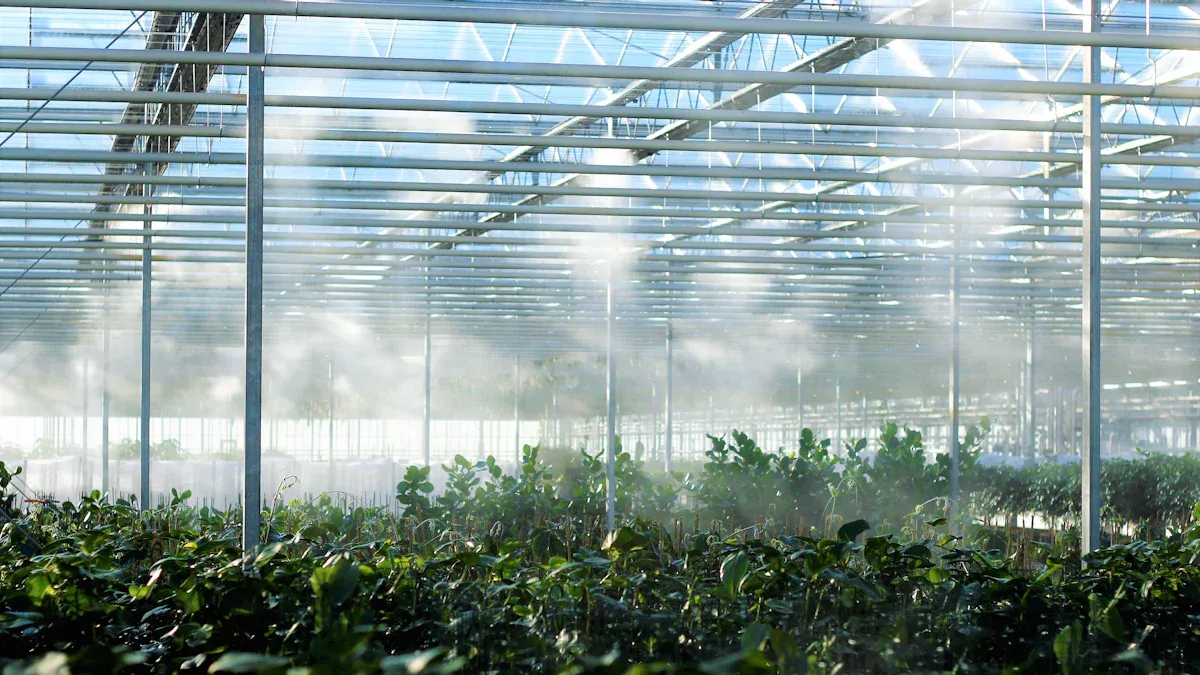
Agriculture shade nets play a vital role in controlling the amount of sunlight your crops receive. Plants require specific light intensities for photosynthesis, and excessive sunlight can damage their leaves or stunt growth. By using shade nets, you can filter sunlight to create an ideal environment for plant development.
Different colors and shading factors of these nets influence light quality, which directly impacts plant morphology and physiology. For example:
- Green nets are often used to enhance vegetative growth.
- Black nets are effective for reducing light intensity in high-sunlight areas.
- White nets help diffuse light evenly, promoting uniform growth.
This regulation not only improves crop quality but also ensures healthier plants throughout their growth cycle.
Temperature Control to Prevent Crop Stress
Excessive heat can cause significant stress to crops, leading to reduced yields and poor quality. Agriculture shade nets help you maintain a stable microclimate by lowering temperatures around your plants. This cooling effect minimizes heat stress and supports better growth conditions.
Research shows that specific shade types can significantly improve crop outcomes. For instance:
| Crop | Shade Type | Effect on Yield/Quality |
|---|---|---|
| Tomatoes | 30% Black Shade | Improved fruit quality and reduced culls during fruiting |
| Peppers | 30% Black Shade | Increased number of marketable fruits |
| Lettuce | White Shade Cloth | Improved production and reduced bitterness |
By using the right shade net for your crops, you can protect them from extreme temperatures and ensure consistent production.
UV Protection for Healthier Crops
Prolonged exposure to ultraviolet (UV) rays can harm your crops by damaging their cellular structure and reducing their overall health. Agriculture shade nets provide an effective barrier against harmful UV radiation, ensuring your plants remain healthy and productive.
These nets also improve microclimates, which contributes to better crop quality. Studies highlight that regulating sunlight exposure through shade nets enhances plant responses, leading to improved morphology and physiology. This protection not only boosts crop yield but also extends the lifespan of your plants, making your farming practices more sustainable.
Consejo: Choose shade nets with UV-stabilized materials to ensure long-lasting protection and durability.
Pest and Disease Management
Agriculture shade nets act as a physical barrier, shielding your crops from pests and diseases. By covering your plants, you can prevent insects like aphids, whiteflies, and thrips from reaching them. This reduces the need for chemical pesticides, promoting a healthier and more sustainable farming environment.
Certain types of shade nets are designed with mesh sizes that block specific pests while allowing air and light to pass through. For example:
- Fine mesh nets effectively block smaller insects like whiteflies.
- Medium mesh nets are suitable for larger pests such as beetles.
In addition to pest control, shade nets help reduce the spread of diseases caused by fungal spores. These spores often thrive in environments with excessive moisture or direct sunlight. By regulating humidity and light exposure, you can create conditions that discourage fungal growth.
Consejo: Choose a shade net with the appropriate mesh size for your crops and local pest challenges. This ensures maximum protection and minimizes crop damage.
Water Conservation and Reduced Evaporation
Using agriculture shade nets significantly reduces water loss from evaporation. By covering your fields, you can lower the temperature and shield the soil from direct sunlight. This helps retain moisture, ensuring your crops receive adequate hydration.
Studies have shown that shade nets can achieve remarkable evaporation suppression efficiency (ESE). For instance:
- Black shade nets demonstrate the highest ESE, outperforming white and green nets.
- In Australia, suspended shade covers reduced evaporation rates by 90%.
- In Spain, similar systems achieved an 85% reduction.
The effectiveness of shade nets depends on factors like shading intensity, wind, and humidity. By selecting the right net for your environment, you can optimize water conservation and reduce irrigation costs.
Nota: Regularly monitor your shade nets for damage or wear. A well-maintained net ensures consistent water-saving benefits.
Why High-Quality Agriculture Shade Nets Matter
Durability and Long-Term Use
Investing in high-quality agriculture shade nets ensures durability and long-term use, making them a reliable choice for farmers. These nets are typically made from polietileno de alta densidad (HDPE), a material known for its strength and resistance to wear and tear. HDPE nets are designed to withstand harsh environmental conditions, including intense UV radiation, heavy rainfall, and strong winds.
| Attribute | Descripción |
|---|---|
| Material | Made from premium UV-stabilized polyethylene (HDPE) |
| Resistencia a la intemperie | Withstands extreme weather conditions, including intense UV radiation, heavy rain, and wind |
| Vida útil | Anti-aging additives ensure a lifespan of 5–8 years, minimizing replacement costs |
The mechanical strength of these nets also protects crops from physical damage caused by wind or pests. By choosing durable materials, you can reduce the frequency of replacements, saving both time and money. This longevity makes high-quality shade nets a cost-effective solution for sustainable farming practices.
Consejo: Look for nets with anti-aging additives to maximize their lifespan and performance.
Cost-Effectiveness for Farmers
High-quality agriculture shade nets offer significant cost benefits, making them a smart investment for farmers. While the initial cost may seem higher, the long-term savings outweigh the upfront expense. These nets enhance crop yield, reduce water usage, and minimize the need for chemical pesticides, all of which contribute to lower operational costs.
| Key Drivers | Benefits of Shade Nets |
|---|---|
| Enhances crop yield | Provides efficient shading, reducing heat stress |
| Protects against environmental challenges | Creates a favorable microclimate for crop growth |
| Optimizes resource utilization | Reduces water evaporation and improves environmental sustainability |
| Addresses food security needs | Increases crop quality and yield, critical for growing population |
Financial analyses of shade net investments reveal their profitability. For example, setting up a shade net system involves capital expenditure (CapEx) and operational expenditure (OpEx). However, the revenue generated from improved crop quality and yield often surpasses these costs. This makes high-quality shade nets a financially viable option for modern farming.
Nota: Consider the long-term benefits of reduced resource usage and increased productivity when evaluating the cost of shade nets.
Improved Crop Yield and Quality
Using high-quality agriculture shade nets directly impacts crop yield and quality. These nets create an optimal growing environment by regulating sunlight, temperature, and humidity. This controlled microclimate reduces crop stress and promotes healthier growth.
For instance, studies show that shade nets can improve the size, color, and taste of fruits and vegetables. Tomatoes grown under 30% black shade nets exhibit better fruit quality and fewer defects. Similarly, lettuce grown under white shade nets shows improved texture and reduced bitterness.
Additionally, these nets protect crops from pests and diseases, further enhancing their quality. By investing in premium shade nets, you can ensure consistent production of high-value crops, meeting market demands and increasing profitability.
Callout: High-quality shade nets not only boost yield but also help you meet food safety and quality standards, ensuring better marketability.
Resistance to Harsh Weather Conditions
Agriculture shade nets provide exceptional resistance to harsh weather conditions, ensuring your crops remain protected throughout the growing season. These nets are engineered to withstand extreme environmental factors such as strong winds, heavy rainfall, and intense sunlight. By using high-quality materials like UV-stabilized polyethylene, they maintain their structural integrity even under prolonged exposure to challenging climates.
One of the most significant advantages of these nets is their ability to minimize physical damage to crops caused by severe weather. For instance, floral buds and young vegetative shoots are particularly vulnerable to high winds and hail. Studies comparing crops grown under standard conditions versus those protected by silver 60% shading nets reveal remarkable differences in damage levels:
| Measurement Type | Control Group Results | Silver 60% Shading Nets Results |
|---|---|---|
| Floral Bud Damage (%) | 93% | 4% |
| Damage to Young Vegetative Shoots (1-5 scale) | 4.35 | 0.5 |
| Minimum Air Temperatures | Similar | Similar |
| CO2-Assimilation Rate | Higher or Similar | Higher or Similar |
| Stomatal Conductance | Higher or Similar | Higher or Similar |
| Trunk Diameter | N/A | Higher |
| Flowering Intensity | N/A | Higher |
This data highlights the superior protection offered by agriculture shade nets. They not only reduce physical damage but also enhance physiological processes like CO2 assimilation and stomatal conductance, which are critical for plant growth. Additionally, crops grown under these nets often exhibit improved trunk diameter and flowering intensity, further contributing to higher yields.
Another key feature of these nets is their ability to diffuse wind pressure. By reducing the force of strong gusts, they prevent uprooting and breakage of plants. This is particularly beneficial for crops with delicate structures, such as tomatoes and peppers. Furthermore, the nets act as a barrier against heavy rainfall, preventing soil erosion and waterlogging, which can otherwise harm root systems and reduce nutrient availability.
Consejo: To maximize protection, choose a shade net with a shading factor and material strength suitable for your region’s weather conditions. Regularly inspect the net for wear and tear to ensure consistent performance.
By investing in durable agriculture shade nets, you can safeguard your crops against unpredictable weather, ensuring stable production and better quality. These nets not only protect your plants but also contribute to sustainable farming by reducing the need for additional interventions like replanting or soil restoration.
Practical Tips for Using Agriculture Shade Nets
Proper Installation for Maximum Efficiency
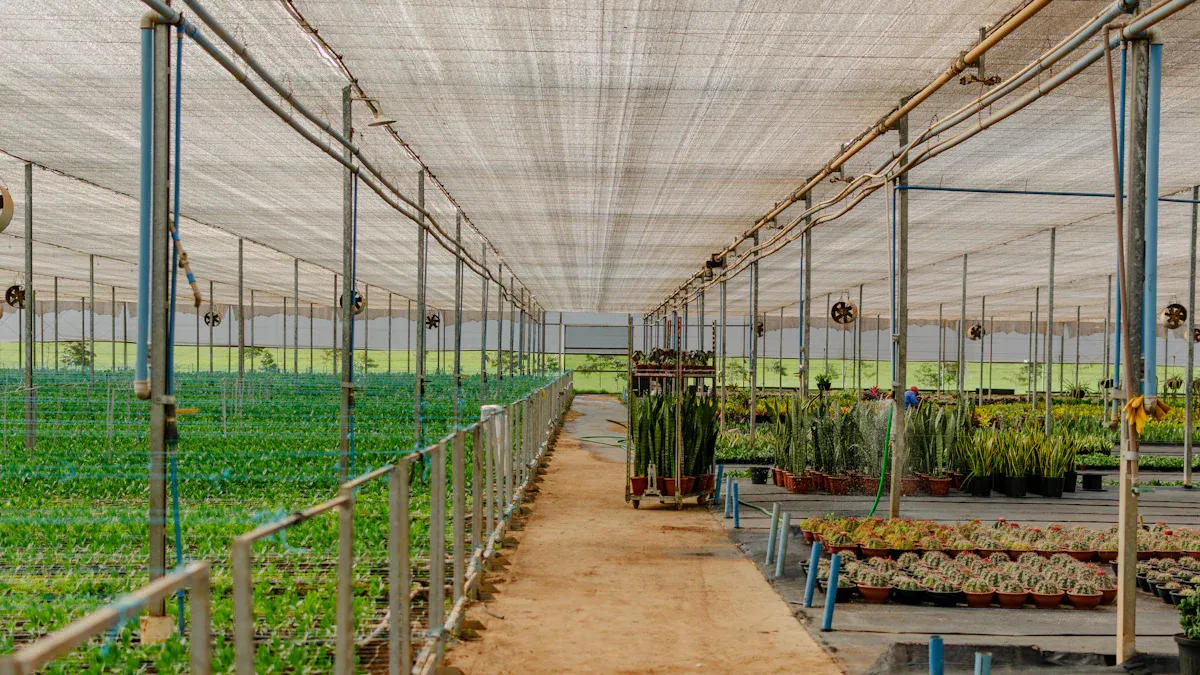
Installing an agriculture shade net correctly is crucial for achieving its full benefits. Begin by selecting a net with the appropriate shading factor and material strength for your crops and climate. Use sturdy support structures, such as galvanized steel or treated wood, to ensure the net remains secure under various weather conditions. Anchor the net tightly to prevent sagging, which can reduce its effectiveness and cause uneven shading.
Position the net at the right height to allow adequate airflow and light penetration. For example, vegetable crops often benefit from nets installed 6–8 feet above ground level. Ensure the edges are firmly secured to avoid damage from wind or pests. Proper installation not only enhances crop protection but also extends the lifespan of the net.
Consejo: Consult local agricultural experts to determine the best installation practices for your region.
Regular Cleaning and Maintenance
Maintaining your agriculture shade net is essential for long-term performance. Regular cleaning removes accumulated dust, debris, and organic matter that can weaken the net over time. Use a soft brush or low-pressure water spray to clean the surface without damaging the material.
Neglecting maintenance can lead to wear and tear, reducing the net’s strength and effectiveness. Regular inspections help you identify cuts, tears, or loose mesh that may compromise crop protection. Keeping the net clean and intact ensures consistent shading and sun protection.
- Cleaning reduces wear caused by weathering.
- Prevents tearing and loss of strength due to particle buildup.
- Ensures the longevity of the shade house and its protective qualities.
Nota: Schedule maintenance checks at least twice a year to keep your net in optimal condition.
Identifying and Repairing Damage
Even high-quality shade nets can sustain damage over time. Inspect your net regularly for signs of wear, such as frayed edges, holes, or sagging sections. Addressing these issues promptly prevents further deterioration and ensures your crops remain protected.
For minor tears, use UV-resistant repair tape or patches to seal the damaged area. Larger holes may require professional repairs or replacement of the affected section. Always use materials compatible with the original net to maintain its durability and performance.
Consejo: Store spare repair materials on-site to handle unexpected damage quickly.
By following these practical tips, you can maximize the efficiency and lifespan of your agriculture shade net, ensuring consistent crop protection and sustainable farming practices.
Replacing Nets to Maintain Effectiveness
Replacing your agriculture shade net at the right time is essential to maintain its effectiveness and ensure consistent crop protection. Over time, even high-quality nets can degrade due to prolonged exposure to sunlight, wind, and other environmental factors. Regularly assessing the condition of your nets helps you determine when a replacement is necessary.
Start by inspecting your nets for visible signs of wear, such as tears, frayed edges, or discoloration. These issues can compromise the net’s ability to regulate sunlight and protect crops. If you notice significant damage or reduced performance, it’s time to replace the net. Delaying replacement can lead to crop stress, pest infestations, and lower yields.
When selecting a new net, consider factors like shading percentage, material quality, and UV stabilization. Choose a net that matches your crop’s specific needs and local climate conditions. For example, crops requiring moderate sunlight benefit from nets with a 30–50% shading factor, while those needing more protection may require higher shading percentages.
Proper disposal of old nets is equally important. Recycling or repurposing them reduces environmental impact. Some farmers use old nets for secondary purposes, such as fencing or temporary covers for non-agricultural uses.
Consejo: Keep a record of your net’s installation date and expected lifespan. This helps you plan replacements proactively, avoiding unexpected disruptions during critical growing seasons.
By replacing your agriculture shade net at the right intervals, you can maintain optimal growing conditions, protect your crops, and ensure sustainable farming practices.
Overcoming Challenges with Agriculture Shade Nets
Preventing Fading and Material Wear
Fading and material wear are common issues that reduce the effectiveness of agriculture shade nets. To prevent these problems, you should focus on proper material selection, installation, and maintenance. High-density polyethylene (HDPE) nets with UV stabilization offer excellent resistance to sunlight and environmental stress. Secure installation using fastening brackets ensures the net remains tight, preventing sagging and uneven wear.
Regular cleaning and inspections are equally important. Dust and debris accumulation can weaken the net over time. Use a soft brush or low-pressure water spray to clean the surface without damaging the material. Additionally, replacing the net every two years ensures consistent performance and protection.
| Best Practice | Descripción |
|---|---|
| Material Selection | Choose strong materials that can withstand environmental factors like wind and rain. |
| Instalación | Ensure the netting completely covers crops and is securely fastened to prevent sagging or wear. |
| Maintenance and Cleaning | Regularly inspect, clean, and replace the shade net to maintain its effectiveness and longevity. |
| Sunlight Measurement | Assess the sunlight exposure to determine the necessity and type of shade netting required. |
| Heat Management | Use fans or other equipment to manage heat build-up under the shade net. |
| Replacement Frequency | Replace the shade net every two years to ensure continued protection and performance. |
Consejo: Select the appropriate type of shade netting, such as plastic or nylon, based on your crop and climate needs.
Managing Replacement Costs
Replacing agriculture shade nets can be costly, but strategic planning helps you manage these expenses effectively. Start by investing in high-quality nets with UV stabilization and anti-aging additives. These features extend the lifespan of the net, reducing the frequency of replacements.
Consider bulk purchasing or collaborating with local farmers to lower costs. Many suppliers offer discounts for large orders. Additionally, repurpose old nets for secondary uses, such as fencing or temporary covers, to maximize their value.
Nota: Keep a record of your net’s installation date and expected lifespan to plan replacements proactively.
Adapting to Seasonal and Crop-Specific Needs
Agriculture shade nets must adapt to seasonal changes and the specific requirements of your crops. During summer, use nets with higher shading percentages to protect plants from intense sunlight. In cooler months, switch to nets with lower shading factors to allow more light penetration.
Seasonal adaptations improve crop outcomes by regulating solar radiation, air velocity, and humidity. For example:
| Effect | Reduction/Increase (%) |
|---|---|
| Solar Radiation | 15-39% |
| Air Velocity | 50-87% |
| Air Relative Humidity | 2-21% |
| Air Temperature | 2.3-2.5°C |
| Evapotranspiration | 17.4-50% |
These adjustments create an optimal microclimate, enhancing plant growth and yield. Tailor your shade netting strategy to match the specific needs of your crops and local weather conditions for the best results.
Callout: Seasonal adjustments to shade nets not only improve crop quality but also conserve resources like water and energy.
Agriculture shade nets are essential for modern farming, offering a range of benefits that enhance productivity and sustainability. These nets protect crops from UV rays, conserve water, and improve crop quality, all while reducing reliance on pesticides. By investing in high-quality nets and maintaining them, you can achieve long-term success and higher profits. The table below highlights key advantages:
| Beneficio | Descripción |
|---|---|
| Protection from UV rays | Shields crops from harmful ultraviolet radiation, promoting healthier growth. |
| Reduction of water evaporation | Minimizes water loss from soil, essential for water conservation in drought-prone areas. |
| Pest control | Acts as a barrier against birds and pests, reducing the need for pesticides. |
| Improved crop quality | Enhances flavor and nutritional value of fruits and vegetables grown under shade. |
| Increased farmer profits | Leads to higher production and reduced costs, promoting organic farming practices. |
By addressing challenges like material wear and replacement costs, you can maximize the value of agriculture shade nets in your farming practices.
 Spanish
  English
  German
  French
  Japanese
  Russian