
Bird netting offers you a range of features that deliver real benefits for property and crop protection. You can choose from strong synthetic materials, select the right mesh size for your needs, and rely on UV resistance to withstand sun exposure. Flexible installation methods make it easy to secure your space. Eco-friendly options ensure humane bird control. With the right mesh size, you can achieve 100% protection for crops, as seen in studies where no bird damage occurred. Many netting products last up to 15 years, making them a cost-effective solution.
Principales conclusiones
- Choose bird netting made from strong, UV-resistant synthetic materials like polyethylene or nylon for long-lasting protection.
- Select the right mesh size based on the birds you want to keep out; smaller mesh blocks small birds, larger mesh suits bigger birds.
- Install netting flexibly and securely using clips or ties, keeping it tight to prevent sagging and gaps where birds can enter.
- Use eco-friendly netting options to protect birds humanely while reducing pesticide use and supporting the environment.
- Maintain your netting regularly by inspecting for damage, cleaning it, and storing it properly to extend its lifespan and effectiveness.
Bird Netting Materials
、
Polyethylene and Synthetics
When you select bird netting, you often encounter materials like polyethylene, polypropylene, and nylon. These synthetic fibers offer several advantages for outdoor use. Polyethylene stands out as a lightweight, strong, and rot-resistant option. You can rely on it to resist moisture, chemicals, and even sub-freezing temperatures. Polypropylene netting uses woven, deep-dyed filament yarn, which makes it highly tear-resistant and UV stable. This material maintains up to 90% of its tensile strength after two years of outdoor exposure. Nylon netting also provides excellent resistance to mold, rot, and UV rays, making it suitable for both wet and sunny environments.
Consejo: Choose netting with UV stabilization for the best long-term performance in direct sunlight.
You can find bird netting in different colors to blend with your surroundings. Some options even include flame-retardant features for added safety. Manufacturers design these synthetic nets to remain flexible in various weather conditions. They do not contract or lose elasticity when exposed to water, so you get consistent protection season after season.
Durabilidad
Durability plays a key role in the effectiveness of bird netting. Heavy-duty polyethylene (HDPE) and nylon netting undergo strict ISO testing, showing break strengths up to 40 lbs. Many products come with warranties of 10 years or more, which reflects their long-term reliability. These materials resist UV rays, moisture, acids, alkalis, and abrasion. UV-treated HDPE and nylon nets can last five to ten years or longer with proper care.
- Polyethylene netting resists stretching and sagging, so it keeps its shape over many seasons.
- Nylon netting withstands pressure and impacts without tearing.
- Heavy-duty netting offers more abrasion resistance than lighter options.
Professional installation helps you keep the netting taut and effective. With the right material and care, you can trust your bird netting to protect your property for years.
Mesh Size
Types of Mesh
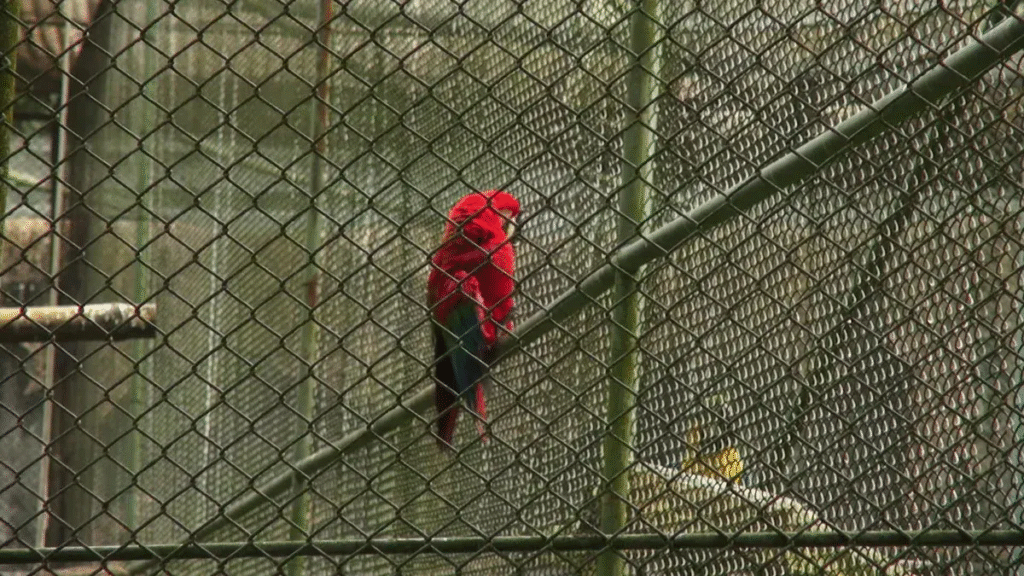
Mesh size plays a crucial role in determining which birds you can keep out and how well the netting stands up to wind. You will find mesh types ranging from small, fine openings to larger, more open designs. Smaller mesh sizes, such as 12.7 mm (1/2 inch), work best for excluding small birds like sparrows and starlings. Larger mesh sizes, such as 25 mm (1 inch) or more, suit bigger birds like pigeons and crows.
Nota: Stiffer mesh materials, such as polyethylene and stainless steel, help the netting maintain its shape. This consistency ensures reliable protection and reduces the risk of sagging or gaps that birds could exploit.
Some mesh types use transparent monofilament nylon, which can blend into the environment and provide a less visible barrier. For example, researchers have used a 5 cm² mesh to exclude birds and bats from crops while allowing beneficial insects to pass through. This approach helps you protect your plants without disrupting the ecosystem.
Choosing the Right Size
Selecting the right mesh size depends on the birds you want to exclude and the area you need to protect. If you want to keep out small birds, choose a mesh with openings around 12.7 mm (1/2 inch). This size blocks most small birds but still allows wind and rain to pass through, reducing the risk of wind damage and fire hazards. For larger birds, a mesh size of 25 mm (1 inch) or more is usually sufficient.
Here is a quick reference table for common mesh sizes and their uses:
| Mesh Size | Typical Use |
|---|---|
| 12.7 mm (1/2″) | Small birds, solar panels |
| 19 mm (3/4″) | Medium birds, fruit trees |
| 25 mm (1″) | Large birds, building eaves |
You should also consider the environment. For windy areas, choose a mesh that allows air to flow freely. Durable materials like galvanized steel or PVC-coated wire offer long service life and resist weathering. These options provide a physical barrier that does not harm birds and remains almost invisible from the ground.
Resistencia UV
Sun Protection
You need reliable sun protection when you install netting outdoors. UV rays can quickly degrade many materials, but modern netting uses UV-stabilized polymers to resist this damage. Manufacturers add stabilizers during production, which help the netting maintain strength and flexibility even after years of sun exposure.
Different colors and materials offer varying levels of sun protection. For example, pearl-colored nets provide the highest UV protection, making them ideal for areas with intense sunlight. Black nets reduce photosynthetically active radiation (PAR) by 55-60%, while red nets offer the least UV reduction. Blue nets provide moderate UV protection and change the visible light spectrum. Proper installation, such as keeping the netting tight and avoiding sagging, ensures you get the best sun protection.
Consejo: Select the right net color and mesh size for your climate and crop needs. Regular inspection and maintenance help you sustain maximum UV protection.
You can see the effectiveness of sun protection in the following metrics:
- Brown and amber nets reduce UVB and UVA transmission more than other colors.
- Shading factor values range from 35% to 95%, with higher values offering more protection.
- Amber nets lower the UVB: PAR and UVA: PAR ratios, which benefits sensitive plants.
- Mesh size and net color both influence how much UV and visible light reach your crops.
Outdoor Lifespan
UV resistance directly affects how long your netting lasts outdoors. Scientific studies show that materials like high-density polyethylene (HDPE) and polypropylene offer strong UV resistance and durability. HDPE, in particular, stands out for long-term use. You can review the table below for a comparison of common materials:
| Tipo de material | UV Resistance and Durability | Lifespan Estimate | Additional Notes |
|---|---|---|---|
| HDPE (High-Density Polyethylene) | UV-stabilized, resists chemicals and moisture, strong durability | 3 to 10 years with proper care | Preferred for long-term outdoor usea ; sustainable choice due to durability |
| Polypropylene | Resists moisture and UV, but is less durable than HDPE | Shorter lifespan than HDPE | Suitable for moderate use; less durable under harsh conditions |
| Nylon | Lightweight and flexible, but less durable | N/A | Less UV resistant compared to HDPE and polypropylene |
| Metal Mesh/Aluminum | Excellent weather and UV resistance | Very long-lasting | Requires stronger support; higher cost but superior durability |
You should always choose rot, water, and UV-proof netting for outdoor applications. This approach ensures your investment remains effective for years, even in harsh sunlight.
Instalación
Flexibility and Drape
You want bird netting that adapts to different shapes and surfaces. Flexible netting drapes easily over trees, shrubs, and garden beds. This flexibility allows you to cover irregular areas without leaving gaps. You can cut most netting to size with scissors, which helps you fit it to your specific needs. Lightweight materials, such as polyethylene, make handling and adjustment simple. You can secure the netting with clips, stakes, or ties, depending on your setup.
Flexible netting also resists tangling. You can roll it out smoothly and reposition it as needed. This feature saves you time during installation and removal. When you need to protect seasonal crops or rotate coverage, you can move the netting without hassle. The drape of the netting ensures that birds cannot find entry points, which increases your level of protection.
Consejo: Lay the netting loosely over plants to avoid damaging stems or fruit. Use support structures for larger areas to keep the netting elevated and effective.
Ease of Use
You do not need special tools or advanced skills to install bird netting. Most products come with clear instructions, and you can complete the process in a few steps. Many users report that they set up netting quickly, even on their first attempt. You can use zip ties, hooks, or garden staples to secure the netting in place.
Customer experiences highlight the reliability and simplicity of installation:
- One gardener shared that the Bird-X PE-PLUS Premium Grade Bird Netting protected a garden from birds and groundhogs. The netting stayed intact, even after repeated attempts by animals to breach it.
- Bird-X offers free phone consultations to help you with installation or recommend professional installers if you need extra support.
- Another user noted that heavy-duty aviary netting showed no signs of wear after a year of use, which demonstrates both ease of installation and long-term reliability.
- Positive feedback from various users shows that you can trust bird netting to perform well in different environments.
You can remove and store the netting at the end of the season. This process keeps your netting in good condition for future use.
Eco-Friendly Features
Humane Bird Control
You want to protect your crops or property without harming wildlife. Bird netting offers a humane solution that keeps birds away from sensitive areas while allowing them to thrive elsewhere. Many professionals recognize this method as a key part of ethical bird management.
- Case studies from Bird-X show that humane bird control methods, including netting, work well in places like farms, stadiums, and urban sites.
- The “Hamptons Project” and “McDonald’s Pigeons” highlight how non-lethal deterrents, such as netting and electronic devices, can solve bird problems without causing harm.
- Scientific research from Wageningen University & Research found that laser deterrents and netting prevent almost all waterfowl from entering protected zones, reducing disease risk without injury.
- Integrated bird management, which includes netting, has prevented over 95% of bird-window collisions in some cases.
You can rely on bird netting to keep birds safe while protecting your assets. This approach supports animal welfare and meets modern standards for humane pest control.
Impacto medioambiental
You also want to choose solutions that support the environment. Bird netting can help you reduce pesticide use, lower your ecological footprint, and maintain biodiversity. A scientific study in apple orchards tracked over 700 birds from 32 species. The results showed that single-row exclusion nets protected fruit trees but left hedgerows and grassy strips open. This design did not reduce bird numbers or species diversity. In organic orchards, bird diversity even increased. The nets also helped cut down on pesticide use, which benefits the ecosystem.
Researchers have studied the materials used in red para pájaros. They compare traditional polymers like polyethylene and polypropylene with new biodegradable options. Tests show that biodegradable nets can last through a growing season and then break down, reducing long-term waste. Standards for performance and biodegradability are evolving, with life cycle assessments guiding the development of sustainable netting. You can now find nets designed for both durability and environmental responsibility.
Choosing bird netting with eco-friendly materials and designs helps you protect crops, birds, and the planet. 🌱
Choosing Bird Netting
Sizing and Applications
Selecting the right size and type of red para pájaros ensures you get the best protection for your property or crops. Start by measuring the area you want to cover. Include length, width, and height, and account for any irregular shapes. This step helps you avoid gaps that birds could exploit.
You can find netting in various sizes, such as 100′ x 14′ or 200′ x 14′, which fit gardens, patios, vents, and even large vineyards. Customer reviews show that 3/4″ Standard Bird Netting works well for fruit gardens and prevents bird damage effectively. The 3/4″ mesh size blocks most common birds while allowing air and light to pass through.
Tip: Choose mesh size based on the birds you want to exclude. Smaller mesh keeps out sparrows and starlings, while larger mesh suits pigeons and crows.
For installation, use a strong support system like a wood or metal frame. Attach the netting with zip ties, clips, or hooks. Keep the net taut to prevent sagging and bird entanglement. Lightweight polyethylene netting fits vegetable gardens, while heavy-duty, UV-resistant netting works best for fruit trees and outdoor spaces.
| Application Area | Recommended Netting Type | Mesh Size |
|---|---|---|
| Vegetable Gardens | Lightweight Polyethylene | 1/2″ – 3/4″ |
| Fruit Trees | Heavy-Duty UV-Resistant | 3/4″ – 1″ |
| Large Vineyards | Wide Rolls, Heavy-Duty | 3/4″ – 1″ |
| Patios, Vents, Gutters | Standard Polyethylene | 3/4″ |
Mantenimiento
Regular maintenance extends the life and effectiveness of your bird netting. Inspect the netting often for holes, sagging, or loose attachments. Tighten or repair any weak spots right away. Clean the netting with water to remove debris and prevent mold growth.
Store the netting in a dry, shaded place when not in use. This practice prevents UV damage and keeps the material flexible. Replace worn or damaged sections to maintain full coverage. Many netting products last five to ten years with proper care.
Note: Routine inspection and prompt repairs help you avoid costly crop losses and keep your bird netting working season after season.
You gain reliable protection for your property or crops by choosing the right netting features—durable materials, proper mesh size, UV resistance, and easy installation. Consider regular maintenance and accurate sizing for the best results.
Market trends show a strong shift toward eco-friendly, humane solutions.
Beneficio Impacto Physical barrier Prevents bird access Environmentally friendly Reduces chemical use, supports biodiversity Long lifespan Cost-effective and sustainable
 Spanish
  English
  German
  French
  Japanese
  Russian