
Semi-shade means your plants receive about 4 to 6 hours of indirect or filtered sunlight each day. Many plants need this gentle light because too much direct sun can harm them. If you expose sensitive plants to more than 6 hours of strong sunlight, you may notice scorched leaves, yellowing, or wilting. These problems reduce plant health and can stop flowers from blooming. You can use sunshade netting to create the perfect semi-shade environment in your garden. This tool helps protect your plants and keeps them thriving.
Principaux enseignements
- Semi-shade means plants get 4 to 6 hours of gentle sunlight, protecting them from harsh midday sun.
- Sunshade netting blocks 30% to 50% of sunlight, creating cooler, safer conditions that help plants grow strong.
- Choose the right netting shade percentage and material based on your plants’ needs and local climate.
- Install sunshade netting carefully on a sturdy frame, measure your garden area, and secure the net tightly.
- Regularly check and maintain your netting to keep plants healthy and protect them from sunburn and heat stress.
Semi-Shade Meaning
Définition
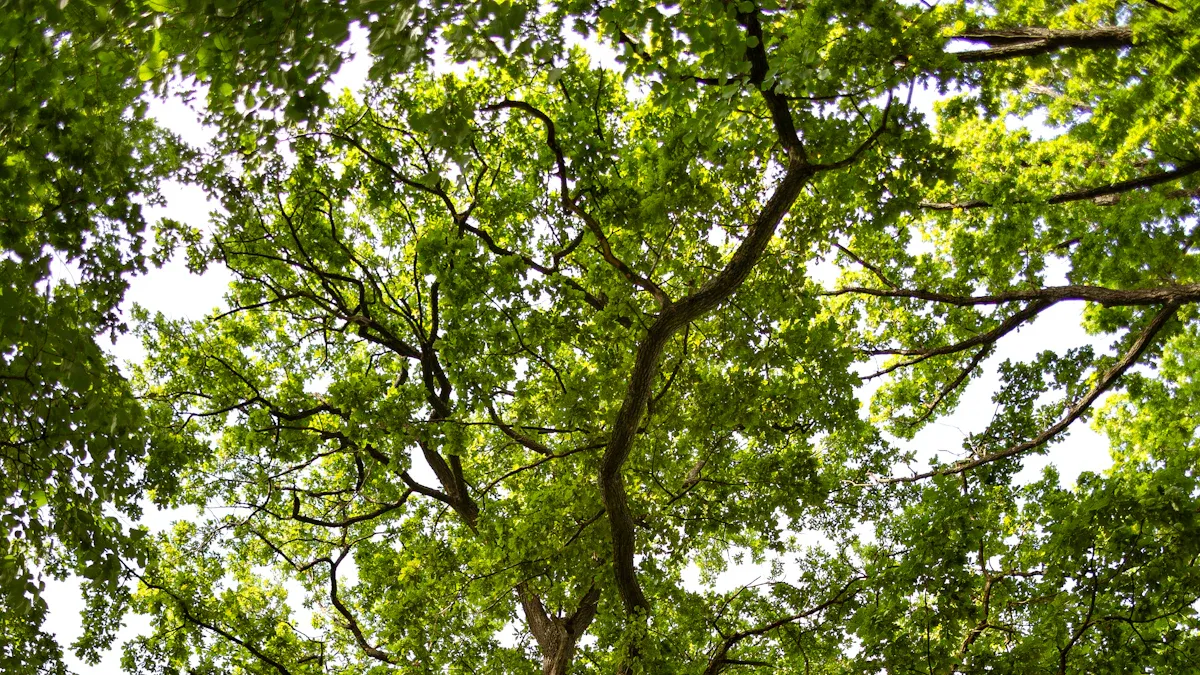
You may see the term “semi-shade” used in gardening books or plant labels. In horticultural research, semi-shade is also called “part shade” or “partial shade.” This means an area receives about 4 to 6 hours of direct sunlight each day, usually in the morning when the sun is less intense. Afternoon shade protects plants from the hottest part of the day. You often find these conditions under trees, beside shrubs, or near fences and walls. Light in these spots can be filtered through leaves or reflected off nearby surfaces. Semi-shade gives plants enough sunlight for healthy growth but shields them from harsh midday rays.
Light Needs
Some plants need protection from intense midday sun. Their leaves can burn, wilt, or turn yellow if exposed to too much direct light. You help these plants by placing them where they get gentle morning sun and shade in the afternoon. Semi-shade conditions balance the need for sunlight with the need for cooler, less stressful environments. You can create these conditions naturally with trees or use garden structures. If you want more control, you can use tools like sunshade netting to filter sunlight and keep your plants comfortable.
Conseil : Observe your garden throughout the day. Notice which areas get morning sun and afternoon shade. These spots are perfect for semi-shade plants.
Plant Types
Many beautiful plants thrive in semi-shade. You can choose from flowering shrubs, perennials, and groundcovers. Here are some popular options:
| Plant Name | Type | USDA Zones | Light Needs | Bloom Time |
|---|---|---|---|---|
| Astilbe | Perennial | 4-8 | Partial sun to shade | Summer |
| Begonia | Annual | 10-11 | Partial sun to shade | Early summer to frost |
| Bleeding Heart | Perennial | 3-9 | Partial shade | Late spring to early summer |
| Foxglove | Perennial | 3-8 | Partial shade to sun | Spring to summer |
| Hosta | Perennial | 3-9 | Partial shade to sun | Summer (flowers) |
| Hydrangea | Shrub | 3-9 | Partial shade to sun | Summer |
| Impatiens | Annual | 10-12 | Partial sun to full shade | Late spring to frost |
You can also try plants like coral bells, Jack Frost Brunnera, and Lady’s Mantle. These choices offer colorful foliage and flowers, making your semi-shade garden both healthy and attractive.
Sunshade Netting Benefits
Temperature Control
Sunshade netting blocks a portion of sunlight, usually between 40% and 50%. This range creates semi-shade conditions that suit many flowering plants, fruits, and vegetables. By reducing sunlight by about half, you help your plants avoid the harshest rays of the day. When you use sunshade netting, you also change the temperature around your plants. Daytime air temperatures under the netting can be 2–3°C cooler, while nighttime temperatures stay about 1°C warmer than in full sun. This balance protects your plants from extreme heat during the day and keeps them comfortable at night. The netting also increases humidity by about 20%, which helps your plants stay hydrated and reduces water loss from the soil. You create a stable microclimate that lowers heat stress and helps your garden thrive.
Preventing Sunburn
Direct sunlight can cause sunburn on leaves and fruit, especially during hot afternoons. Sunshade netting acts as a shield, blocking harmful UV rays and lowering the surface temperature of your plants. This protection leads to a noticeable drop in sunburn cases. For example:
- Netting reduces leaf and fruit surface temperature.
- Plants like Honeycrisp apples show much less sunburn under netting than in full sun.
- The netting also slows wind speed and keeps the soil cooler and moister.
You give your plants a better chance to grow healthy and strong by reducing the risk of sunburn and heat damage.
Enhancing Growth
When you use sunshade netting, you support the growth of shade-tolerant plants. These plants adjust to lower light by changing their leaf structure and boosting their ability to protect themselves from too much sun. In studies, crops like barley kept or even increased their yield under netting, while less shade-tolerant plants like wheat did not do as well. This means you can expect better growth and higher yields from plants that prefer semi-shade. The netting also helps keep soil moisture steady, which supports root health and overall plant vigor.
You should also consider the material of your netting. Most sunshade netting uses high-density polyethylene (HDPE), which is strong, resists tearing, and lasts for years. Here is a quick comparison of common materials:
| Type de matériau | Durability Features | UV Durability Ratings | Notes |
|---|---|---|---|
| Polyethylene (PE) | Strong, weather-resistant, blocks UV rays | N/A | Common base material for sunshade nets |
| Polyéthylène haute densité (PEHD) | Strong mesh, resists tearing, long-lasting | UV-stabilized: 3, 5, or 10 years | Most popular and durable choice |
| Filets tricotés | Flexible, hard to tear, and good UV protection | Varies by color; black blocks most UV | Good for windy areas, long-lasting with care |
| Filets tissés | Strong, durable, steady shade, good UV blocking | N/A | Ideal for sunny areas, allows airflow |
| Eco-Friendly/Recyclable Nets | Comparable durability to regular nets | N/A | Environmentally better, still blocks UV |
Conseil : Choose HDPE sunshade netting for the best mix of durability and protection in your garden.
Choosing Sunshade Netting
Shade Percentages
Selecting the right shade percentage is the first step to creating ideal semi-shade conditions. Shade percentage tells you how much sunlight the netting blocks. For semi-shade, you usually want a net that blocks between 30% and 50% of sunlight. A 35% shade netting works well for delicate flowers, nurseries, and small crops that need filtered light. This level protects plants from harsh sun but still lets in enough light for healthy growth.
You can use the table below to match shade percentages to different plant types:
| Plant Type | Recommended Shade Net Percentage | Description |
|---|---|---|
| Heat-Loving Plants | About 30% | Tomatoes, cucumbers, strawberries, herbs, and flowers. These plants need more sunlight for growth and fruit ripening. |
| Partial Shade Plants | 40%-50% | Pumpkins, peppers, chrysanthemums. These plants need balanced sunlight for healthy growth. |
| Shade-Tolerant Plants | Around 60% | Lettuce, spinach, cilantro, parsley, and mint. These plants prefer cooler, less intense sunlight to avoid burning. |
Conseil : Start with a lower shade percentage if you are unsure. You can always add another layer of netting if your plants show signs of stress.
Plant Matching
Matching the right sunshade netting to your plants helps them thrive. Some plants love the sun, while others need more protection. For example, tomatoes and peppers do best with about 30% shade, especially in cooler climates. Leafy greens like lettuce and spinach need more shade—around 50%—to prevent wilting and bolting during hot weather.
The table below shows how different shade percentages work for various climates and plant types:
| Shade Netting Percentage | Recommended Climate/Region | Beneficial Plant Types and Notes |
|---|---|---|
| 30% | Northern Climates | Mixed vegetables, young transplants like kale and beets. Black shade cloth provides warmth and sun protection in cooler climates. |
| 50% | Southern Climates | Lettuce, flowers, tomatoes, mixed crops, most vegetables. White shade cloth keeps cool-weather plants like kale, spinach, and arugula from overheating. |
White shade cloth reflects heat and keeps plants cooler, which is perfect for hot regions. Black shade cloth absorbs heat, making it better for warm-season crops in cooler areas. Young transplants benefit from 30% shade as they adjust to outdoor conditions.
Selection Tips
When choosing sunshade netting, consider several important factors to get the best results for your garden:
- Know Your Plants: Identify the light needs of your crops. Leafy greens need higher shade levels (40-60%), while sun-loving vegetables like tomatoes and peppers do better with lower shade (30-50%).
- Check Your Climate: Hot, sunny areas benefit from white or green nets to reduce heat stress. Cooler regions may use black or aluminum nets to retain warmth.
- Pick the Right Material: UV-stabilized high-density polyethylene (HDPE) nets last longer and resist sunlight damage. For home gardens, tape or knitted netting is flexible and easy to use.
- Choose the Best Color: White nets reflect heat and keep crops cool. Black nets absorb heat and suit cooler climates. Colored nets (red, blue, green) can affect plant growth in special ways.
- Measure Carefully: Always measure your garden area before buying netting. This prevents gaps or wasted material.
- Install Properly: Secure the net tightly and check for obstructions like branches or wires. Adjust the height for good airflow and easy access.
- Maintain Regularly: Inspect your netting for wear and tear. Clean it as needed to keep sunlight flowing through.
Remarque : Avoid common mistakes like using the wrong shade percentage, poor installation, or skipping regular checks. These steps help your sunshade netting last longer and protect your plants better.
Installing Sunshade Netting
Placement
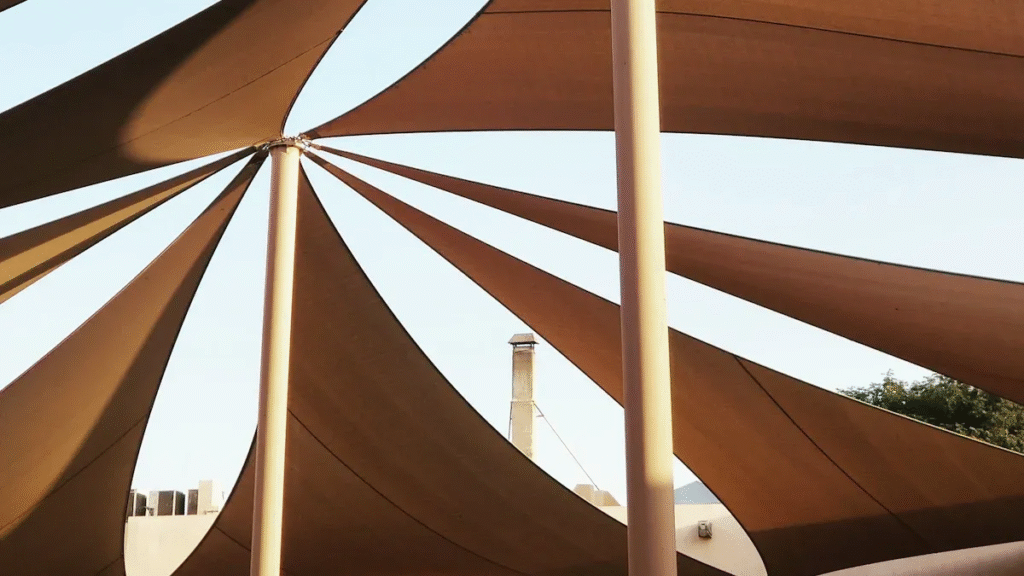
Proper placement ensures your plants get the right amount of filtered sunlight. Start by measuring the area you want to cover. Allow for a slight overhang on all sides. This helps you secure the netting and protects the edges from fraying. Set up support posts about 2-3 meters apart. Anchor them firmly in the ground. Place the netting so it covers the area evenly, with equal extension over each support. Consider the orientation of your garden and nearby structures. Trees, fences, and walls can change how much sunlight reaches your plants. Adjust the netting as seasons change to keep the light balanced.
Conseil : Position your netting near windbreaks like fences or shrubs to reduce wind damage.
Setup Steps
You can install sunshade netting by following these steps:
- Gather your materials: netting, support posts, zip ties or clips, scissors, tape measure, and a ladder.
- Prepare a sturdy frame using metal poles or wooden beams.
- Secure the posts in the ground or use weighted bases for temporary setups.
- Cut the netting slightly larger than the area to avoid overstretching.
- Lay the netting over the frame, centering it for even coverage.
- Attach the netting at one corner, then work around the perimeter, fastening it every few inches.
- Pull the netting taut before final fastening to prevent sagging.
- Trim any excess material along the edges for a neat finish.
- Check all fasteners and adjust tension as needed.
Use reinforced corners and double-stitched seams for extra durability, especially in windy areas.
Maintenance
Regular care keeps your sunshade netting effective for years. Inspect the netting at least twice a year for holes, fraying, or loose fasteners. Clean the fabric every 3-6 months. Remove debris with a soft brush, then wash with mild soap and water. Rinse and let it dry before re-tensioning. After storms or strong winds, check for damage and repair small holes right away. Store the netting in a cool, dry place during the off-season. Replace it if it becomes brittle or shows major wear.
Keeping up with these routines helps your netting last longer and protects your plants all season.
To achieve ideal semi-shade, follow these steps:
- Select the right type and shading rate for your plants and climate.
- Measure your garden area for proper fit.
- Install sunshade netting securely on a sturdy frame.
- Check and maintain the netting often.
- Watch your plants for changes in growth or color. Adjust placement as needed for the best results.
- Proper light management protects plants, saves water, and increases yields. 🌱
 French
  English
  German
  Japanese
  Spanish
  Russian