
Bird netting creates a robust barrier that prevents birds from damaging crops. It is a sustainable solution that enhances crop yields by reducing environmental stressors. Studies show that exclusion nets improve plant physiology, boosting photosynthesis and vegetative growth. High-value crops like raspberries, blueberries, and apples benefit significantly from this method, ensuring healthier harvests.
What Is Bird Netting and How Does It Work?
Definition and Purpose
Bird netting is a lightweight, durable material designed to act as a physical barrier that prevents birds from accessing crops. It is typically made from polyethylene or other weather-resistant fabrics, weighing between 15 to 50 grams per square meter. This netting is a humane and effective method for crop protection, ensuring that pest birds are excluded without harming them. By covering crops, bird netting blocks birds from roosting or nesting in agricultural areas, safeguarding your harvest from damage.
Bird netting is widely recognized as a proven control measure for keeping pest birds away from troublesome areas. Its versatility makes it suitable for gardens, orchards, and large-scale farming operations.
Benefits for Crop Protection
Using bird netting offers several advantages for protecting crops:
- Reduced Crop Losses: Studies confirm that bird netting minimizes damage caused by birds, ensuring higher yields. For example, mitigation measures like netting have shown positive effects on 18 different crops, as highlighted in agricultural research.
- Improved Plant Health: By preventing birds from pecking at fruits and vegetables, netting reduces stress on plants, allowing them to grow more robustly.
- Environmentally Friendly: Unlike chemical repellents, bird netting provides a sustainable solution that does not harm wildlife or the ecosystem.
- Versatility: Netting can be tailored to fit various crop types and field sizes, making it a practical choice for both small gardens and large farms.
| Measure Type | Effect Size (95% CI) |
|---|---|
| Tape, ribbon, flag | 1.76 (0.97 to 2.54) |
| Scaring model | 1.23 (0.35 to 2.12) |
| Net | 1.04 (−0.17 to 2.25) |
| Sound | 0.98 (−0.01 to 1.98) |
| Repellent | 0.89 (0.36 to 1.42) |
This data highlights bird netting as one of the most effective measures for reducing crop losses caused by birds.
Types of Bird Netting
Several types of bird netting are available, each designed for specific applications:
- Crop Netting: Made from polyethylene, this type is ideal for small farming operations. It offers economical and reliable protection for plants.
- Anti-Bird Netting (PROTECTA): Suitable for large open areas, fruit trees, and gardens, this netting effectively prevents crop losses.
- Voile Fabric Netting: Designed to protect crops and trees from birds and rodents, this UV-resistant material ensures long-lasting durability.
- Protective Netting 291176: Commonly used for ponds, trees, and chicken enclosures, this weather-proof netting provides excellent abrasion resistance.
| Type of Netting | Matériau | Applications | Caractéristiques |
|---|---|---|---|
| Crop netting | Polyéthylène | Small farming | Economical, reliable plant protection |
| Anti-bird netting (PROTECTA) | Unknown | Large open areas, fruit trees, gardens | Effective in preventing crop losses |
| Anti-bird netting | Voile fabric | Protection against birds, rodents | UV resistant, designed for crops and trees |
| Protective netting 291176 | Unknown | Ponds, trees, chicken enclosures | Weather-proof, flexible, good abrasion resistance |
When selecting bird netting, consider the size of your field, the type of crops you grow, and the specific challenges posed by birds in your area.
Planning and Preparing for Bird Netting Installation
Assessing the Area and Measuring
Proper assessment of your crop area is essential for effective bird netting installation. Begin by identifying the specific zones that require protection. Measure the dimensions of these areas, including height, width, and length, to ensure accurate netting coverage. For optimal results, consider the movement patterns of birds in your region. Adjust net locations daily to minimize net avoidance, which can improve efficiency. While relocating nets may reduce installation time, studies show it can increase bird captures by 30% and bat captures by 70%. If your goal is to assess species presence rather than capture individuals, maintaining nets in fixed positions may be more suitable.
Choosing the Right Bird Netting
Selecting the correct bird netting depends on your crop type, pest challenges, and environmental conditions. Follow these steps to make an informed choice:
- Identify the crops you want to protect.
- Determine the bird species causing damage.
- Evaluate ventilation needs to maintain plant health.
- Consider light entry limitations based on crop requirements.
- Assess the payback period for your investment.
- Review installation requirements for your setup.
- Investigate maintenance needs for long-term use.
- Explore financing options, including subscription-based solutions.
Tools and Materials Needed
Gathering the right tools and materials ensures a smooth installation process. Refer to the table below for essential planning considerations:
| Section | Description |
|---|---|
| Safety Precautions | Guidelines to ensure safety during installation. |
| Historic Structures Precautions | Considerations specific to historic buildings during installation. |
| Submittals | Requirements for samples and mock-ups prior to installation. |
| Quality Assurance | Standards to ensure the quality of the installation. |
| Delivery, Storage and Handling | Instructions for the proper handling of materials. |
| Project/Site Conditions | Conditions that must be met for effective installation. |
| Sequencing and Scheduling | Recommendations for the order and timing of installation tasks. |
| General Protection | Guidelines for protecting surfaces and surrounding areas during installation. |
By planning thoroughly, you can ensure that your bird netting installation is efficient, safe, and effective.
Installing Bird Netting Effectively
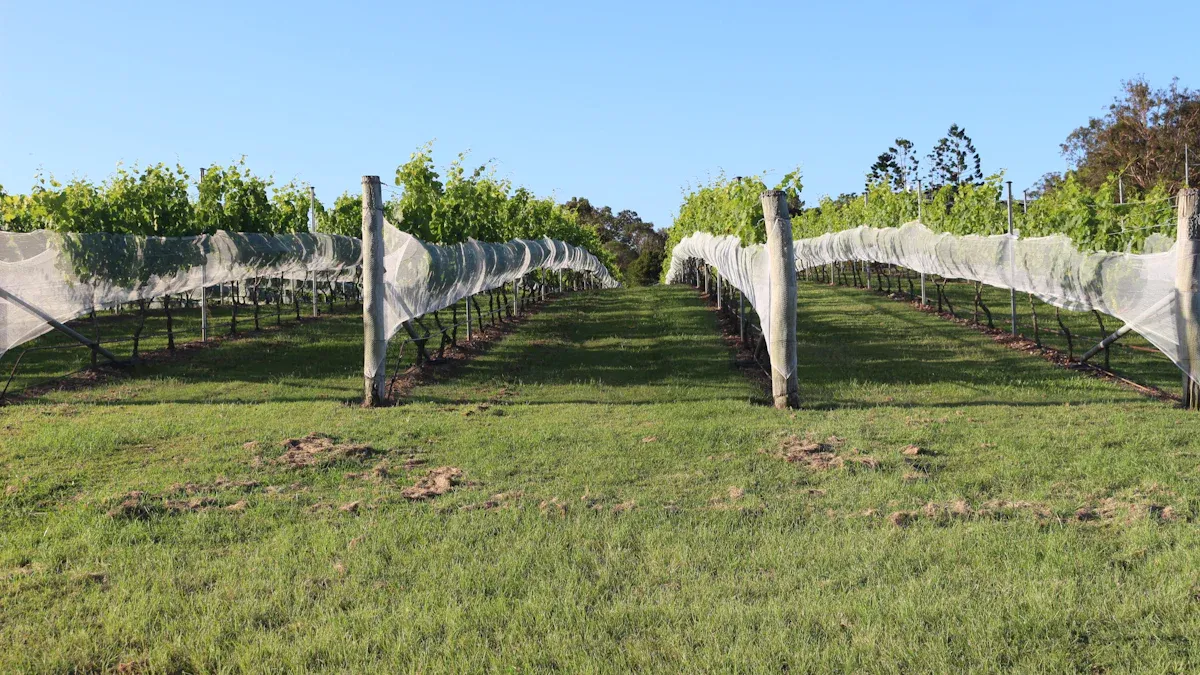
Step-by-Step Installation Process
Installing bird netting requires careful planning and execution to ensure its effectiveness. Follow these steps to achieve optimal results:
- Assess the Area: Examine the shape and layout of the area you want to protect. Identify obstacles like poles, trees, or fences that may affect the installation.
- Measure Accurately: Use a measuring tape to determine the dimensions of the area, including height, width, and length. Accurate measurements help you purchase the correct amount of netting.
- Select the Right Netting: Choose netting based on your crop type, pest challenges, and environmental conditions. Consider mesh size, material strength, and color to match your needs.
- Gather Materials: Collect all necessary tools and supplies, including the netting itself, cable ties, hooks, eyebolts, and tensioning wire.
- Set Up Supports: Install hooks or eyebolts around the perimeter of the area. Run tensioning wire between these supports to create a sturdy framework for the netting.
- Attach the Netting: Spread the netting over the framework and secure it using cable ties. Ensure the netting is taut to prevent sagging.
- Secure Edges: Pay special attention to the edges. Tightly secure them to the ground or surrounding structures to prevent birds from slipping underneath.
- Safety Precautions: Wear protective gloves and goggles during installation. Be mindful of sharp tools and potential hazards in the area.
- Maintenance and Care: Inspect the netting regularly for tears or damage. Clean it periodically to remove debris and maintain its effectiveness.
By following these steps, you can install bird netting efficiently and ensure long-lasting protection for your crops.
Securing the Netting Properly
Properly securing bird netting is crucial to its effectiveness. Loose or poorly attached netting can allow birds to bypass the barrier, rendering it ineffective. To secure the netting:
- Use high-quality cable ties or clips to attach the netting to the support framework. Space them evenly to prevent gaps.
- Anchor the edges firmly to the ground using stakes or weights. This prevents birds from entering underneath the netting.
- Check the tension of the netting. It should be taut but not overly stretched, as excessive tension can weaken the material over time.
- Reinforce corners and edges with additional ties or fasteners, as these areas are more prone to wear and tear.
Conseil: Regularly inspect the netting after installation to ensure it remains secure. Wind, rain, and other environmental factors can loosen attachments over time.
Avoiding Common Installation Mistakes
Mistakes during installation can compromise the effectiveness of bird netting. Avoid these common errors to ensure your crops remain protected:
- Incorrect Measurements: Failing to measure the area accurately can result in insufficient coverage or wasted materials. Always double-check your measurements before purchasing netting.
- Using Inadequate Supports: Weak or improperly installed supports can cause the netting to sag or collapse. Invest in sturdy hooks, eyebolts, and tensioning wire to create a reliable framework.
- Leaving Gaps: Even small gaps in the netting can allow birds to enter. Carefully inspect the edges and corners to ensure they are tightly secured.
- Overstretching the Netting: Excessive tension can damage the netting material and reduce its lifespan. Aim for a balance between tautness and flexibility.
- Neglecting Maintenance: Ignoring regular inspections and cleaning can lead to wear and tear, reducing the netting’s effectiveness over time.
Note: Proper planning and attention to detail during installation can save you time and money in the long run. Addressing these common mistakes ensures your bird netting provides reliable protection for your crops.
Safety and Maintenance Tips for Bird Netting
Ensuring Safe Installation Practices
Safe installation practices protect you and your team from potential hazards. Before starting, conduct a thorough site review to identify risks and create a detailed work plan. Use personal protective equipment (PPE), such as full-face HEPA respirators, gloves, and coveralls, to safeguard against exposure to bird droppings, which may carry diseases. When working at heights, follow safety protocols and inspect equipment to prevent accidents.
If chemicals are required during installation, adhere to OSHA regulations and product guidelines to ensure proper handling. Clean and disinfect all tools and surfaces after use, assuming they may be contaminated. Additionally, provide training for all team members to familiarize them with safety protocols and best practices.
Conseil: Regularly review and update your safety procedures to address new challenges or risks that may arise during installation.
Preventing Hazards to Wildlife
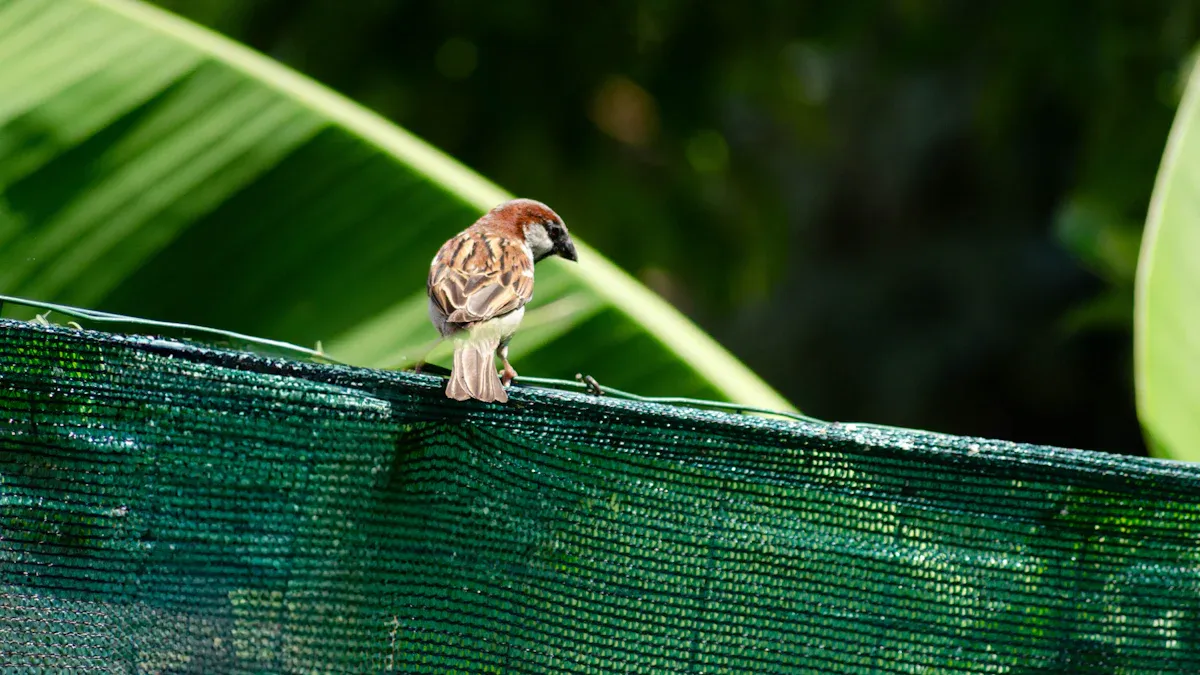
While bird netting protects your crops, it is essential to minimize harm to wildlife. Choose netting with an appropriate mesh size to prevent birds and other animals from becoming trapped. Secure the edges tightly to avoid creating gaps where animals might enter and get stuck.
Inspect the netting regularly to ensure it remains intact and free of debris. Loose or damaged netting can pose a risk to birds and small mammals. If you notice any trapped wildlife, release them carefully and repair the netting immediately.
Note: Opt for UV-resistant and durable materials to reduce the likelihood of wear and tear, which can create hazards for wildlife over time.
Inspecting, Cleaning, and Repairing Netting
Routine maintenance ensures your bird netting remains effective and safe. Inspect the netting frequently for holes, tears, or loose areas. Pay attention to signs of rust or corrosion on metal components, as these can weaken the structure.
Clean the netting using a soft brush and mild detergent to remove dirt, debris, and bird droppings. Rinse thoroughly to prevent residue buildup, which can attract pests or damage the material. For small damages, use a netting repair kit to patch holes. Replace the entire netting if the damage is extensive or compromises its functionality.
Reminder: Establish a maintenance schedule to perform inspections and cleaning regularly. This proactive approach extends the lifespan of your netting and ensures consistent crop protection.
Bird netting offers a proven solution for protecting crops from bird damage. Modern materials like high-density polyethylene (HDPE) improve durability, making it a reliable choice for farmers. Increased awareness of its benefits has driven higher adoption rates. By planning carefully and maintaining the netting, you can ensure a healthier, more productive harvest.
 French
  English
  German
  Japanese
  Spanish
  Russian