
Sun netting is an essential solution for anyone looking to protect their garden plants, patios, greenhouses, or outdoor spaces from the harsh effects of direct sunlight and excessive heat. Nets are a versatile category of products used for sun protection in these environments. Whether you are a gardener, grower, or simply want to create a comfortable shaded area, understanding the benefits and applications of sun netting can help you stay cool and safeguard your plants and property.
Choosing the right sun netting depends on your local climate and environmental conditions to ensure optimal protection and plant health. The percentage listed for shade cloth indicates the light diffusion percentage, which is crucial for selecting the right netting for your needs. For example, a 75% shade net blocks 75% of sunlight and is ideal for protecting sensitive plants or reducing heat. In this guide by OMB Textiles, we will explore everything you need to know about sun netting, including its types, materials, installation tips, and how it improves ventilation while offering UV protection.
What is Sun Netting?

Sun netting, also commonly referred to as shade cloth or shade fabric, is a versatile material designed to reduce sun exposure and provide sun protection in various settings. It is typically crafted from durable plastic or synthetic fibers and comes in different densities and colors, such as green, blue, or camo netting, to match the environment or specific needs. Sun netting is made typically from woven or knitted polyethylene (HDPE) that filters a percentage of sunlight. Sun netting is available as various types of net, each suited for specific applications such as outdoor privacy, camouflage, or sun protection. The primary purpose of sun netting is to block or filter harmful UV rays, thereby protecting garden plants, crops, and outdoor areas from sun damage, overheating, and dehydration.
This netting is widely used in gardening and agriculture as a garden plant cover to shield sensitive plants and nurseries from intense sunlight. Sun netting is often sold in standard sizes such as 10 ft x 20 ft to accommodate different coverage needs. Shade cloth for plants is designed to provide optimal UV protection and temperature control for healthy plant growth. It is beneficial for a wide range of plants, including vegetables, flowers, herbs, and foliage plants. Additionally, it serves as an effective sun shade for patios, camping sites, and even hunting grounds, making it a versatile product for multiple applications. Sun netting can also reduce water evaporation by helping the soil retain moisture longer, which is particularly beneficial in dry climates.
For further information on sun netting materials and applications, you can visit reputable sources such as the OMB Textiles services page, Greenhouse Megastore, Farm Plastic Supplyet Sunny Garden Market.
Benefits of Using Shade Cloth and Shade Fabric
One of the main advantages of using sun netting is its ability to improve ventilation while providing shade. Unlike solid tarps or plastic sheets, shade cloth allows airflow, which helps maintain a cooler environment underneath by reducing heat buildup. This breathability is crucial for plants, as it prevents overheating and promotes healthier growth by balancing light and air. Sun netting is available in knitted and woven types, with knitted netting being more flexible and allowing more air circulation, making it ideal for various applications.
Sun netting also offers excellent UV protection, blocking a significant percentage of harmful ultraviolet rays. This protection not only benefits plants by reducing sun stress but also helps extend the lifespan of outdoor furniture and equipment by shielding them from sun damage.
Moreover, the durability of shade fabric makes it suitable for various weather conditions, including windy environments and hot climates. Reinforced edges and grommets make the netting easy to secure with zip ties, ropes, or poles, ensuring it stays in place even during strong winds. High-quality sun netting is engineered to resist wind damage and maintain stability in challenging weather, providing long-lasting protection. This durability and ease of installation make sun netting a cost-effective solution for growers and homeowners alike.
Types of Sun Netting and Their Applications

Sun netting is available in different densities, typically measured by the percentage of shade they provide, ranging from 30% to 90%. Choosing the right density depends on the specific needs of your plants or outdoor space. For example, greenhouse shade cloth with higher density is ideal for protecting delicate crops and nursery plants that require reduced sunlight, while lighter netting works well for patios and camping areas where some sunlight is still desirable. The optimal shade percentage for sun netting depends on the specific plant type, with 30-50% shade suitable for most vegetables.
Shade sails are another popular form of sun netting, often used for decorative and functional purposes in outdoor spaces. These sails can be stretched between poles or frames to create stylish and effective sun shades over patios, playgrounds, or pool areas.
Camo netting, which features a camouflage pattern, is commonly used in hunting and military applications but can also serve as a unique decorative shade fabric for gardens and camping. Camo netting has a breathable structure that allows airflow while providing sun protection. It is also popular for decoration at themed events, outdoor parties, and photo shoots, where it enhances ambiance and realism by adding texture and atmosphere to the setup. Quality camo netting can be waterproof and UV-resistant, making it suitable for outdoor use in various weather conditions.
How to Install Sun Netting for Maximum Effectiveness
Installing sun netting correctly is key to maximizing its benefits. Start by measuring the area you want to cover to ensure you purchase the right size, which is often sold in bulk rolls for convenience. Installation of shade cloth requires different hardware based on the type of fabric used. When installing, use reinforced edges with grommets to attach the netting securely to frames, poles, or existing structures using zip ties or ropes.
For garden plant cover, position the netting high enough to allow plants to grow without obstruction but low enough to provide adequate shade. In greenhouses, greenhouse shade cloth can be installed on the exterior or interior to control light and temperature effectively.
When securing sun netting in windy conditions, make sure to stretch the fabric taut to prevent flapping, which can cause wear and tear. Using sturdy poles or frames helps maintain the shape and stability of the shade fabric, ensuring long-lasting protection.
Choosing the Right Material and Color for Your Sun Netting
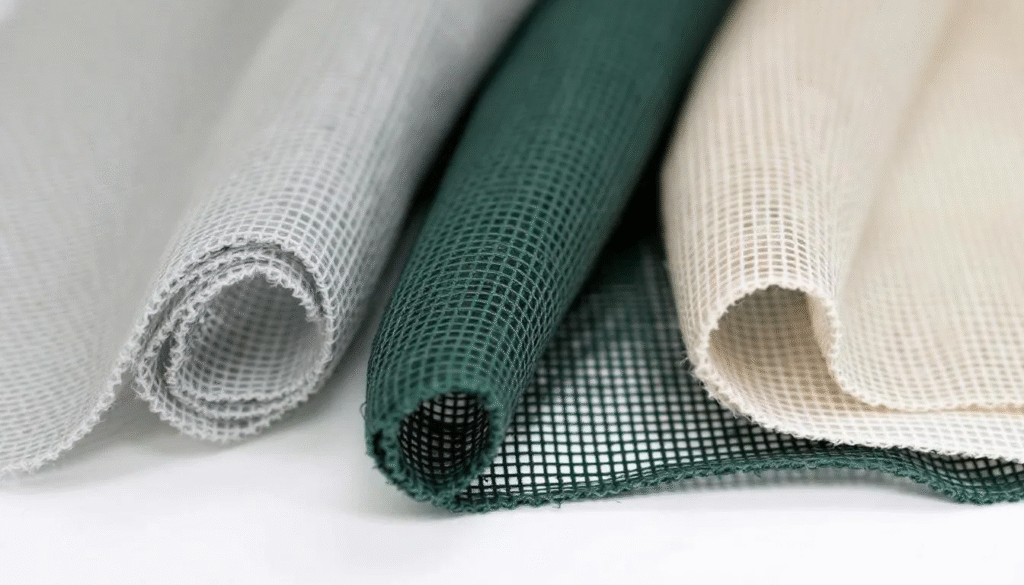
The material of sun netting significantly impacts its durability and effectiveness. High-quality plastic or polyethylene netting is lightweight yet strong, resistant to UV degradation, and suitable for long-term use in various climates. HDPE is the most common material used for sun netting due to its durability and UV resistance. Look for netting that is crafted with reinforced edges and UV inhibitors to enhance longevity.
Color also plays a role in sun protection and aesthetics. Green and blue shades are popular choices as they blend well with natural surroundings and offer effective UV protection. Colors of sun netting, such as white, black, and colored nets, affect the temperature of the microclimate underneath. Camo netting is ideal for those seeking a more discreet or decorative option.
Improves Ventilation and Air Circulation
Proper ventilation and air circulation are essential for maintaining healthy garden plants and comfortable outdoor spaces, especially during the intense heat of summer. Shade cloth is specifically engineered to address these needs by allowing air to flow freely while filtering sunlight, creating a cooler and more stable environment for both plants and people.
Unlike solid tarps, shade fabric is crafted with a breathable weave that encourages airflow, helping to regulate temperature and humidity in greenhouses, gardens, and patios. This improved ventilation reduces heat stress on plants, minimizes the risk of disease transmission, and supports robust, healthy growth. For growers working in hot environments or climates with high sun exposure, greenhouse shade cloth is invaluable for keeping temperatures in check and protecting delicate crops from direct sunlight.
Shade sails are particularly effective for enhancing air circulation in outdoor spaces such as patios, playgrounds, and garden seating areas. By stretching these sails between poles, frames, or even your house, you can create shaded zones that stay cool and inviting, even on the hottest days. The versatility of shade cloth means it can be used in a variety of settings, from large-scale agricultural operations using bulk rolls to home gardens secured with zip ties and grommets.
Durability is another key advantage—high-quality shade cloth is designed to withstand challenging weather conditions, including windy environments and intense sunlight. Reinforced edges and sturdy materials ensure the netting remains secure and effective, even when exposed to the elements. Blue shade cloth, in particular, is favored for its excellent UV protection and ability to maintain airflow and visibility.
In addition to its functional benefits, shade cloth can serve as a decorative element, adding style and comfort to patios and gardens while providing essential sun protection. Its breathability and versatility make it suitable for a wide range of climates and gardening styles, helping to create a protected environment that reduces the need for pesticides and supports sustainable gardening practices.
By choosing the right shade cloth and installing it properly, gardeners and growers can enjoy improved ventilation, healthier plants, and cooler, more enjoyable outdoor spaces all summer long. Whether you’re covering a greenhouse, protecting garden plants, or creating a shaded retreat on your patio, investing in quality shade fabric is a smart way to stay cool and keep your environment thriving.
Conclusion: Why Sun Netting is a Smart Investment for Gardens and Outdoor Spaces
In summary, sun netting is a versatile, durable, and practical solution for protecting garden plants, crops, patios, and outdoor environments from the damaging effects of sun exposure and heat. Its ability to improve ventilation, provide UV protection, and withstand various weather conditions makes it an essential tool for gardeners, growers, and outdoor enthusiasts.
By choosing the right type of shade cloth or shade fabric, installing it properly, and selecting quality materials from trusted brands like OMB Textiles, you can create a comfortable, protected environment that helps your plants thrive and your outdoor spaces remain cool and enjoyable throughout the summer months. Whether you need sun shade for your greenhouse, garden, or patio, investing in sun netting will save you money and effort in the long run while enhancing the overall health and beauty of your outdoor environment. To help you make an informed decision, consider learning about the pros and cons of sunshade nets before purchasing.
 French
  English
  German
  Japanese
  Spanish
  Russian