
Birds may look harmless, but for farmers, they can be one of the most persistent and destructive pests. From eating freshly ripened fruit to damaging seedlings, birds can cause significant crop losses across a wide range of agricultural settings. Agricultural bird nets offer a practical, eco-friendly, and cost-effective solution to this problem.
In this article, we’ll explore the 5 best uses for agricultural bird nets, helping you understand how to maximize protection and productivity on your farm.
1. Protecting Fruit Trees from Bird Damage
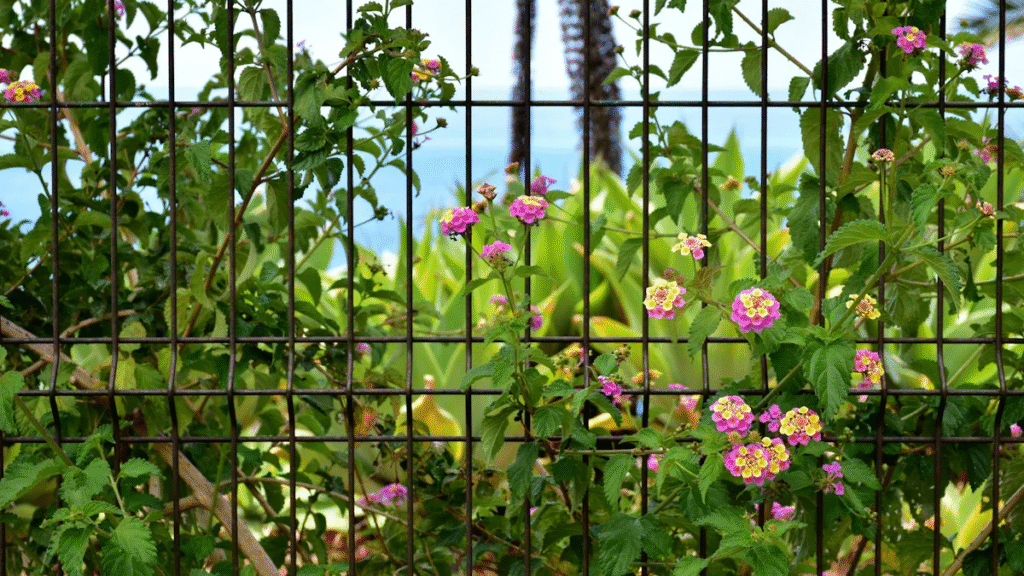
One of the most common and effective applications of bird nets is fruit tree protection. Birds are naturally attracted to ripe fruit like apples, cherries, peaches, and plums. Without physical barriers, entire harvests can be wiped out in days.
Drape netting—lightweight and easy to install—can be placed directly over individual trees or groups. It prevents birds from accessing fruit while allowing sunlight, air, and moisture to penetrate.
👉 Check out our anti-bird net options designed for orchards and backyard trees.
2. Safeguarding Vineyards During Ripening Season
Grapevines are especially vulnerable as their sugar content increases near harvest. Starlings, finches, and other bird species are notorious for damaging grape crops.
Installing vineyard bird netting can significantly reduce losses. Whether you use side netting, full canopy, or row-by-row drape netting, the goal is to create a physical barrier that birds cannot bypass.
For best results, install the nets just before veraison (when grapes begin to soften and sweeten).
Explore high-quality options like our agricultural bird net, ideal for vineyard applications.
3. Covering Crop Rows and Seedlings
Newly planted seeds and seedlings are especially attractive to birds. Crows and pigeons often pull up young shoots, ruining weeks of preparation in just hours.
Using low tunnel netting or floating row covers made with bird-proof mesh can protect your investment during the critical early growth stages. These nets can be supported by hoops or frames and are easy to remove when needed.
This method is especially useful for vegetables, herbs, and leafy greens grown in open fields or raised beds.
4. Shielding Aquaculture and Fish Ponds

Yes—agricultural bird nets aren’t just for crops. They’re widely used to protect aquaculture systems from predatory birds like herons and cormorants, which feed on fish and shrimp.
Covering fish ponds with UV-resistant plastic bird netting prevents birds from accessing the water while maintaining airflow and light penetration. This is a humane and sustainable way to deter predation without harming wildlife.
Our bird netting products are tested for outdoor durability and are perfect for aquaculture applications.
5. Guarding Grain Storage and Equipment Areas
Birds nesting or roosting in barns, storage sheds, or near grain silos can lead to contamination, health risks, and equipment damage. Installing bird netting around these areas can prevent birds from entering or nesting, maintain hygiene, and reduce fire risks from droppings or nests.
Indoor-use nets are typically fine-mesh and flame-retardant, ideal for commercial agricultural facilities.
Combine with spikes or deterrent strips for comprehensive protection.
Agricultural bird nets offer more than just protection—they’re a versatile investment that helps farmers increase yields, improve quality, and reduce losses across multiple applications. Whether you’re growing grapes, managing a fish pond, or safeguarding seedlings, the right netting solution can make all the difference.
Looking for durable, UV-resistant, and farm-proven bird control products? Visit AgrinetPro to browse our complete range of anti-bird nets, agricultural bird netsそして vineyard netting solutions.
 Japanese
  English
  German
  French
  Spanish
  Russian