
Attaching a shade sail to your house can transform your outdoor area into a functional and stylish space. You must focus on proper installation to ensure safety and maintain your home’s structure. By anchoring securely and considering environmental factors, you can enjoy the benefits of shade without risking damage to your property.
Safety and Structural Considerations
Anchoring to studs or load-bearing elements
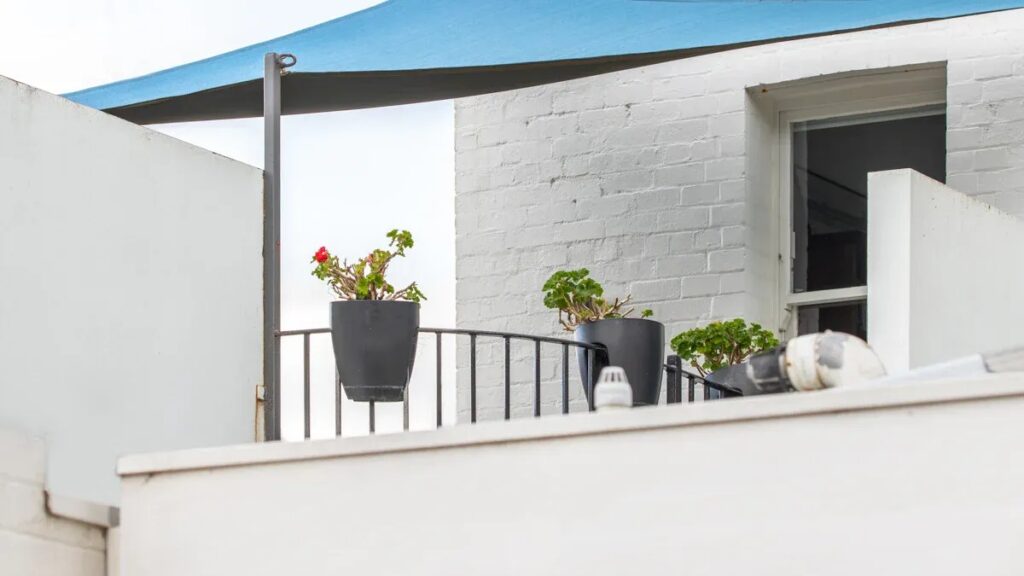
When attaching a shade sail to your house, anchoring it to studs or load-bearing elements is essential for safety and stability. These structural components provide the necessary support to handle the tension and weight of the sail. Avoid attaching the sail to drywall, siding, or other non-structural materials, as they cannot bear the load and may lead to damage.
To understand the performance of anchoring systems, consider the following parameters:
| Parameter | 説明 |
|---|---|
| Anchor Bolt Diameter | Investigate how different diameters affect the performance of the anchor. |
| Concrete Grade | Examines the impact of using various grades of concrete in the anchoring. |
| Retrofitting Technique | Evaluate techniques applied to compression or tension zones. |
| Steel Rebar Diameter | Assess the effects of different rebar diameters in the anchoring system. |
| Performance Metrics | Analyzes ultimate load, deflection, crack patterns, and failure modes. |
By selecting the right anchor bolts and ensuring proper installation, you can create a secure attachment point that minimizes risks.
Assessing wind loads and weather risks
Wind and weather conditions play a significant role in the performance of a shade sail. You must evaluate these factors to ensure the installation can withstand environmental stresses. Key considerations include:
- Basic wind speed in your area.
- Wind flow and directionality.
- Exposure category (e.g., open terrain or urban areas).
- Topographic factors like hills or valleys.
- Gust effect factors and enclosure classification.
- Internal pressure coefficients.
Design pressures are critical for calculating wind loads on your home. These pressures help determine whether the structure can handle various wind forces. To ensure safety, follow these steps:
- Determine an appropriate safety factor based on the calculated loads.
- For building envelope systems, use a minimum safety factor of two.
By accounting for these factors, you can prevent your shade sail from becoming a hazard during extreme weather.
Preventing damage to siding, fascia, or brickwork
Improper installation can lead to damage to your home’s siding, fascia, or brickwork. To avoid this, ensure the attachment points are strong enough to support the shade sail. If the fascia or siding is not structurally sound, install brackets or supports to distribute the load evenly. This prevents undue pressure on weak areas.
Here are some tips to protect your home:
- Verify that the fascia can handle the weight of the shade sail.
- Use brackets or supports to reinforce weak areas.
- Secure all attachments properly to prevent movement or strain.
- Choose a shade sail size that matches the strength of your attachment points.
- Consider wind loads and distribute them evenly to reduce stress on the structure.
Taking these precautions will help maintain the integrity of your home while enjoying the benefits of a shade sail.
Methods for Attaching a Shade Sail
Selecting the right hardware for secure attachment
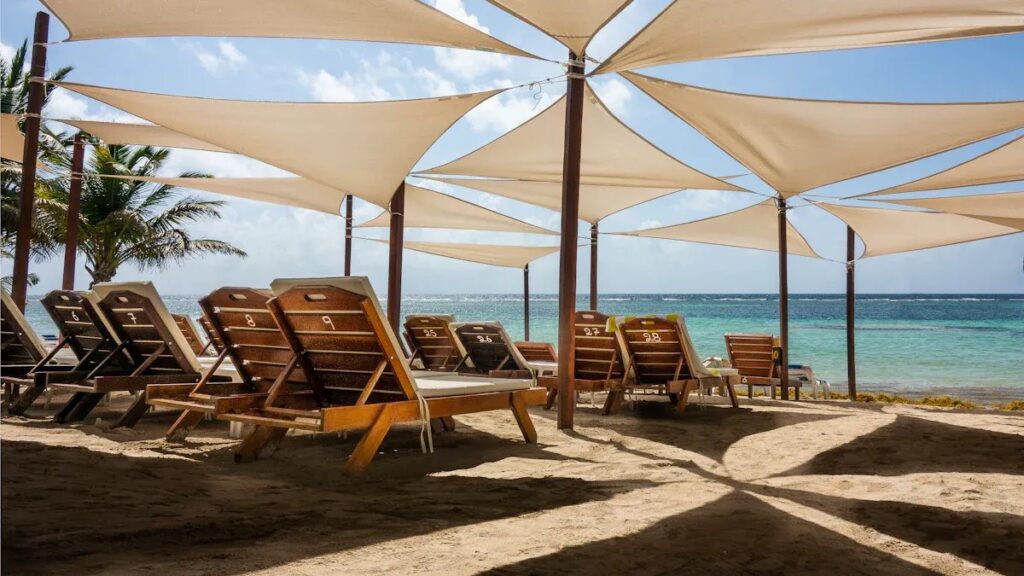
Choosing the correct hardware is crucial for ensuring the stability and longevity of your シェードセイル. You should prioritize stainless steel components like turnbuckles, thimbles, and clamps, as they resist corrosion and provide reliable support. Turnbuckles allow you to adjust the tension of the sail, ensuring it remains taut and secure.
A consumer review highlighted the importance of precise measurements when ordering hardware. While stainless steel turnbuckles provided secure attachment points, improper tensioning led to sagging. Customer service recommended additional hardware to achieve the desired tightness.
Avoid using nylon ropes for long-term installations, as they degrade over time. Metal connections offer superior durability, especially in areas with fluctuating weather conditions. By selecting high-quality hardware, you can prevent sagging and maintain the sail’s alignment.
Attaching to wood siding or beams
Wood siding and beams offer a versatile base for shade sail installation. When attaching to these surfaces, you should use lag screws or eye bolts to anchor the sail securely. Drill pilot holes into the wood to prevent splitting and ensure a snug fit for the hardware.
For added stability, consider reinforcing the wood with metal brackets. This distributes the load evenly and reduces the risk of damage. Always inspect the wood for signs of rot or weakness before installation. A sturdy attachment point ensures the sail remains stable under tension.
Attaching to brick or masonry walls
Brick and masonry walls require specialized techniques for shade sail installation. Use stainless steel plates or anchor bolts to create secure attachment points. These components can be tied back to the wall using turnbuckles, allowing you to adjust the tension as needed.
- At the San Antonio DoSeum, tensioned fabric was installed between steel masts, showcasing a method adaptable for masonry walls.
- In Tesueche, New Mexico, a private residence used stainless steel plates tied back to masonry walls with turnbuckles, demonstrating effective attachment techniques.
Drill into the mortar joints rather than the bricks themselves to minimize damage. Ensure the hardware is rated for the weight and tension of the sail to prevent structural issues.
Using fascia or roof mounts safely
Fascia and roof mounts provide an alternative method for attaching shade sails. Reinforce the fascia board with brackets designed for outdoor use, such as the Polyfab Pro Fascia Bracket. Made from zinc-plated steel, these brackets withstand harsh weather conditions and provide a stable base for the sail.
- Shade sails tested for high wind resistance achieved a wind load classification of class 3.
- They also demonstrated water accumulation resistance rated at class 2, ensuring durability in various climates.
When using roof mounts, ensure the attachment points are properly sealed to prevent leaks. Distribute the load evenly across the structure to avoid strain on the fascia or roof.
Ensuring proper tension and alignment
Proper tension and alignment are essential for the functionality and appearance of your shade sail. Use turnbuckles to adjust the tension, ensuring the sail remains taut without overstretching the fabric. Cut wire rope to the correct length and secure it with clamps to achieve the desired alignment.
Avoid using springs for wind relief, as they can compromise stability. Instead, focus on creating a fixed, non-moving attachment system. Regularly inspect the sail for signs of sagging or misalignment and make adjustments as needed.
By maintaining proper tension, you can prevent damage to the sail and its attachment points, ensuring a long-lasting installation.
Tips for Long-Term Durability

Inspecting for wear and tear regularly
Regular inspections are essential to keep your shade sail in top condition. Examine the fabric and attachment points for signs of wear, such as fraying, small tears, or rust on hardware. Pay close attention to areas under high tension, as they are more prone to damage.
チップ: Schedule inspections at least twice a year or after severe weather events. Early detection of issues can prevent costly repairs or replacements.
If you notice minor damage, address it immediately. Tighten loose hardware and repair small tears with a patch kit to avoid further deterioration.
Adjusting tension to maintain stability
Maintaining proper tension ensures your shade sail remains stable and functional. Over time, the fabric may stretch or sag, reducing its effectiveness. Use turnbuckles or other tensioning devices to adjust the sail and keep it taut.
Avoid overtightening, as this can strain the fabric and attachment points. Instead, aim for a balance where the sail is firm but not overstressed. Regularly check the tension, especially after strong winds, to ensure the sail stays aligned and secure.
Removing the shade sail during extreme weather
Extreme weather conditions, such as high winds or heavy snow, can damage your shade sail. Removing it during these events protects both the sail and your home. Detach the sail from its mounting points and store it in a dry, cool place.
注: Always follow the manufacturer’s guidelines for removal and storage. Proper handling prevents unnecessary wear and extends the sail’s lifespan.
Reinstall the sail only when the weather stabilizes. This practice minimizes the risk of tears, hardware failure, or structural damage.
Cleaning and maintaining the fabric for longevity
Proper cleaning and maintenance significantly enhance the durability of your shade sail. Follow these guidelines to keep it in excellent condition:
- Clean the fabric regularly with mild soap and water to remove dirt and pollutants.
- Avoid harsh chemicals or abrasive brushes that can weaken the material.
- Inspect for small holes or tears and repair them promptly to prevent further damage.
- Periodic cleaning prevents mildew buildup and preserves the sail’s appearance.
By adopting these practices, you can ensure your shade sail remains a valuable addition to your outdoor space for years to come.
Attaching a シェードセイル to your house can be a safe and effective way to enhance your outdoor space. By following proper installation techniques and prioritizing structural safety, you ensure a secure setup.
チップ: Regular maintenance, such as inspecting for wear and adjusting tension, extends the lifespan of your shade sail.
With the right approach, you can enjoy a stylish and functional addition without compromising your home’s integrity.
 Japanese
  English
  German
  French
  Spanish
  Russian