
In the ever-evolving world of agriculture, safeguarding crops from pests is a perpetual challenge. While chemical pesticides have long been a go-to solution, growing concerns about environmental impact and food safety have spurred a shift towards more sustainable and eco-friendly methods. Among these, insect nets have emerged as an indispensable tool, offering a physical barrier that protects crops without relying on harmful chemicals. But what exactly is the use of insect nets in agriculture, and why are they becoming so crucial for modern farming?
A Physical Shield Against Pests
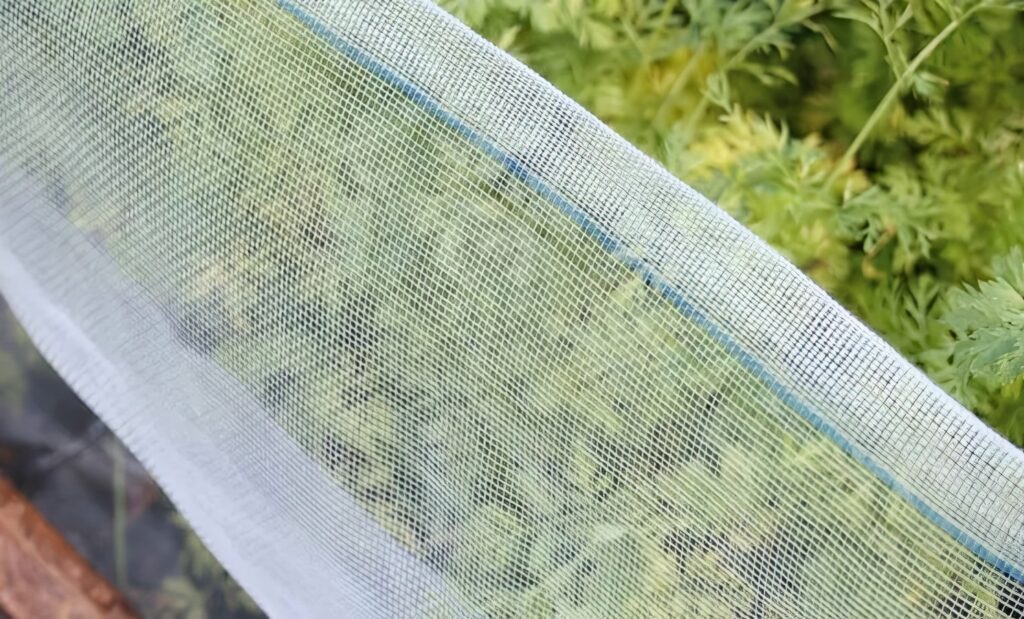
At its core, the primary function of an insect net in agriculture is to create a physical barrier between crops and a wide array of pests. These nets, often made from high-density polyethylene (HDPE), come in various mesh sizes, each designed to exclude specific types of insects. From tiny aphids and whiteflies to larger pests like fruit flies and leaf miners, a properly chosen anti-insect net can effectively keep them at bay. This physical exclusion is a game-changer for farmers, drastically reducing crop damage and the need for frequent pesticide applications.
Reducing Reliance on Chemical Pesticides
One of the most significant benefits of using agricultural insect nets is the substantial reduction in pesticide use. Traditional pest control often involves spraying chemicals, which can have detrimental effects on beneficial insects, soil health, and water quality. Furthermore, repeated exposure to pesticides can lead to pest resistance, creating a vicious cycle of increasing chemical application. By forming an impenetrable barrier, crop protection nets minimize pest ingress, thereby lowering the need for chemical interventions. This not only makes farming more environmentally friendly but also contributes to the production of safer, residue-free produce. For those looking to transition to more sustainable farming practices, exploring high-quality netting solutions is a vital first step. You can find a wide range of options at Agrinetpro.com.
Enhancing Crop Quality and Yield
When crops are shielded from pest damage, their quality and yield naturally improve. Pests can cause a variety of problems, from direct damage to fruits and leaves to the transmission of plant diseases. By preventing these issues, horticultural netting ensures that plants can grow vigorously and reach their full potential. This translates to higher yields of aesthetically pleasing and marketable produce. For example, in vegetable cultivation, using vegetable netting can lead to healthier plants, resulting in more uniform and high-quality harvests, which command better prices in the market.
Protecting Against Extreme Weather and Birds
Beyond insects, protective netting for crops offers additional benefits. Depending on their design and installation, these nets can provide a degree of protection against adverse weather conditions such as strong winds and hail. While not their primary function, some nets can diffuse sunlight, reducing heat stress on plants during scorching summers. Moreover, とりあみ is a specialized type of agricultural net that effectively deters birds from pecking at fruits and seeds, another common cause of crop loss. This multi-functional aspect makes farm netting solutions a versatile investment for farmers.
Versatility Across Various Agricultural Settings
The adaptability of insect control nets is remarkable. They can be utilized in various agricultural settings, from small-scale home gardens to large commercial farms.
- Greenhouses and Tunnels: In controlled environments like greenhouses, greenhouse netting is crucial for maintaining a pest-free zone. It allows for natural ventilation while preventing insect entry, creating optimal growing conditions.
- Open Fields: For open-field crops, field netting can be deployed over individual rows or entire fields, either supported by frames or laid directly over plants. This is particularly effective for high-value crops vulnerable to specific pests.
- Orchards: Orchard netting protects fruit trees from a range of pests, including fruit flies and birds, ensuring a clean and abundant harvest.
- Organic Farming: For organic farmers, who are restricted from using synthetic pesticides, physical barriers for pests like insect nets are an essential tool for maintaining organic certification and ensuring healthy crops.
The Economic Benefits of Insect Nets
While there’s an initial investment in purchasing and installing pest exclusion nets, the long-term economic benefits are substantial. Farmers can save money on pesticide purchases, labor costs associated with spraying, and the losses incurred due to damaged crops. The increased yield and improved quality of produce also lead to higher profits. In essence, agricultural anti-insect netting acts as a preventative measure that offers significant returns on investment by securing the harvest.
Choosing the Right Insect Net
Selecting the appropriate insect protection net is crucial for its effectiveness. Factors to consider include:
- Mesh Size: This is arguably the most critical factor. The mesh size determines which insects the net can exclude. Finer meshes are needed for smaller pests like thrips and whiteflies, while coarser meshes are suitable for larger insects.
- Material and Durability: Most nets are made from UV-stabilized HDPE to withstand harsh weather conditions and prolonged sun exposure. Durability ensures a longer lifespan for the net, maximizing its value.
- Color: Different colors can have varying effects on light transmission and temperature inside the net.
- Installation Method: The way the net is installed (e.g., draped, supported by frames, or integrated into a greenhouse structure) will influence its overall effectiveness and longevity.
For a comprehensive guide to selecting the right agricultural netting for your specific needs, be sure to visit Agrinetpro.com to explore their extensive product range and expert advice.
The use of insect nets in agriculture represents a significant stride towards more sustainable, efficient, and environmentally responsible farming practices. By providing an effective physical barrier against pests, these nets reduce the reliance on chemical pesticides, enhance crop quality and yield, and offer protection against various environmental challenges. As the agricultural industry continues to embrace innovative and eco-friendly solutions, insect nets will undoubtedly remain a cornerstone of modern pest management in agriculture, ensuring healthier crops and a healthier planet for generations to come.
 Japanese
  English
  German
  French
  Spanish
  Russian