
Protecting your fruit trees is essential to ensure a productive harvest. Fruit tree netting acts as a barrier, shielding your crops from pests, birds, and harsh weather. This simple yet effective solution minimizes fruit loss and guarantees healthier yields. By taking this step, you can enhance the quality and quantity of your harvest.
Choosing the Right Fruit Tree Netting

Types of Netting for Different Trees
Selecting the right type of netting depends on the specific needs of your fruit trees. Lightweight mesh works well for smaller trees, such as citrus or cherry varieties, as it allows sunlight and air to pass through while keeping pests out. Denser netting suits larger trees, like apple or pear, offering enhanced protection against birds and insects. For trees in windy areas, reinforced netting provides added durability and stability.
Наконечник: Match the netting type to your tree’s size and environmental conditions to maximize its effectiveness.
How to Select the Right Size
Choosing the correct size ensures proper coverage and protection for your fruit trees. Experts recommend considering mesh size based on the type of birds or pests in your area. The table below outlines common mesh sizes and their effectiveness:
| Mesh Size | Описание | Effectiveness Against Birds |
|---|---|---|
| 3/4” MESH | Most popular size, effectively stops all bird species, small and large. | Great for sparrow-sized birds and larger. |
| 1 1/8” MESH | Medium size mesh that excludes starlings, pigeons, and larger birds. | Suitable for medium-sized birds. |
| 2” MESH | Largest mesh, excludes pigeon-sized birds and larger species. | Good for seagulls, hawks, and larger birds. |
Measure your tree’s height and width before purchasing netting to ensure full coverage. Oversized netting is better than undersized, as it allows for easier installation and adjustment.
Material and Durability Considerations
Сайт material of your fruit tree netting plays a crucial role in its longevity. High-quality polyethylene nets resist UV damage and last longer under harsh weather conditions. Studies show that net durability depends on maintenance practices and textile features. For example, nets exposed to frequent abrasion may develop holes within two years, while well-maintained nets can last up to three years.
| Study Focus | Key Findings |
|---|---|
| Durability of LLINs in Tanzania | Nets under field conditions show significant abrasion, with field-collected nets averaging over 20 holes in less than 2 years. |
| Factors affecting durability | Net care, maintenance practices, and textile features influence physical durability. |
| WHO guidelines | LLINs are expected to have a physical lifespan of 3 years, varying by product and usage conditions. |
Примечание: Regularly inspect your netting for wear and tear to extend its lifespan and maintain effective protection for your fruit trees.
When to Install Fruit Tree Netting
Timing Based on Fruit Development
Installing fruit tree netting at the right stage of fruit development is crucial for protecting your harvest. You should cover your trees as soon as the fruit begins to form and grow. This stage is when pests and birds start targeting your crops. Early installation ensures that your fruit remains safe during its most vulnerable period.
Monitor your trees closely to identify the ideal time. For example, stone fruits like cherries and peaches require netting as soon as the fruit changes color. Citrus fruits, on the other hand, may need protection slightly later, once they reach a noticeable size. Acting promptly minimizes the risk of damage and ensures a healthy yield.
Наконечник: Avoid waiting until the fruit ripens fully. Birds and pests are more likely to attack ripe fruit, making it harder to protect your harvest.
Seasonal Factors to Consider
Seasonal changes also play a significant role in determining when to install netting. In spring, as flowers turn into fruit, you should prepare to cover your trees. This timing aligns with the increased activity of birds and insects.
In regions with strong winds or heavy rainfall, consider installing netting earlier to shield your trees from weather-related damage. For areas with mild climates, you may delay installation until mid-summer. Always adapt your approach based on local conditions to maximize the effectiveness of your fruit tree netting.
Примечание: Regularly check weather forecasts during the growing season. Sudden storms or temperature changes can impact your netting strategy.
Step-by-Step Guide to Installing Fruit Tree Netting
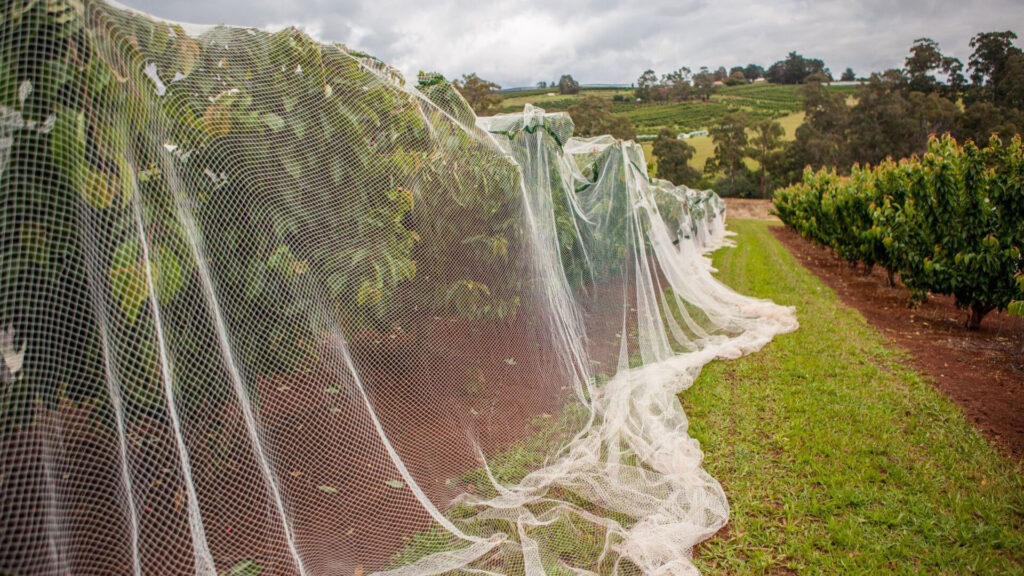
Tools and Materials You’ll Need
Before starting, gather all the necessary tools and materials to ensure a smooth installation process. Using the right equipment will save time and improve the effectiveness of your fruit tree netting. Below is a table summarizing the most commonly used materials and their advantages:
| Материал | Преимущества | Недостатки | Applicable Scenarios |
|---|---|---|---|
| Polypropylene | UV resistant, lightweight, recyclable | Slightly lower strength | Economical and short-term use |
| Nylon | High strength, good elasticity | Higher price, UV sensitivity | Multi-year use with high-quality nets |
| Polyethylene | Water-resistant, UV resistant, sturdy | Poor elasticity | Long-term exposure to rainy environments |
In addition to the netting material, you’ll need the following tools:
- Measuring tape: To determine the dimensions of your tree and netting.
- Clips, zip ties, or hooks: For securing the netting to support structures.
- Poles or stakes: To create a framework around the tree.
- Ladder: For reaching higher branches during installation.
- Scissors or utility knife: To cut the netting to the desired size.
Наконечник: Choose black netting with a mesh size between 1/2 inch and 3/4 inch. This size blocks most birds while allowing sunlight and air circulation.
Preparing the Tree for Netting
Proper preparation ensures that the netting fits securely and provides maximum protection. Follow these steps to prepare your tree:
- Measure the height and width of your tree to calculate the required netting size. Oversized netting is better for complete coverage.
- Clear any low-hanging branches, deadwood, or obstacles that may interfere with the netting process.
- Set up support structures, such as poles or stakes, around the tree’s perimeter. These structures help create a framework for the netting and prevent it from sagging.
- Inspect the area around the tree for sharp objects or debris that could damage the netting.
Примечание: Preparing the tree thoroughly reduces the risk of gaps or tears in the netting, ensuring long-lasting protection.
Installing the Netting Safely and Effectively
Installing fruit tree netting requires careful handling to avoid damage to the tree or the netting. Follow these step-by-step instructions for a successful installation:
- Drape the netting over the tree, ensuring it covers all branches and reaches the ground. Use a ladder for taller trees to position the netting evenly.
- Secure the netting tightly to the support structures using clips, zip ties, or hooks. Make sure there are no loose sections that could allow pests or birds to enter.
- Anchor the bottom of the netting to the ground using stakes or weights. This step prevents animals from accessing the tree from below.
- Hang reflectors or decoys on the netting to deter birds further. Position them high to maximize visibility and movement in the breeze.
- Inspect the installation for gaps or holes. Adjust the netting as needed to ensure complete coverage.
- Regularly monitor the netting for wear and tear. Repair any holes promptly to maintain its effectiveness.
Совет профессионала: Regular maintenance and adjustments will keep your fruit tree netting in top condition, protecting your harvest throughout the growing season.
Securing the Fruit Tree Netting
Anchoring the Netting to the Ground
Properly anchoring the netting to the ground ensures that pests and animals cannot access your fruit trees from below. This step also prevents the netting from shifting or lifting during strong winds or adverse weather conditions. To anchor the netting effectively, follow these steps:
- Use ground stakes or weights: Secure the edges of the netting by driving stakes into the ground or placing heavy objects, such as bricks or sandbags, along the perimeter. Ensure the netting is taut but not overly stretched to avoid tearing.
- Bury the edges: For added security, bury the bottom edges of the netting a few inches into the soil. This method creates a barrier that deters burrowing pests like rabbits or rodents.
- Inspect for gaps: After anchoring, walk around the tree to check for any loose sections or openings. Adjust the stakes or weights as needed to close these gaps.
Наконечник: In areas prone to hailstorms, anchoring the netting securely can prevent damage to the tree and fruit. Protective netting not only shields against hail but also reduces environmental stress, such as sunburn, and limits pest intrusion.
Using Clips, Ties, or Stakes
Clips, ties, and stakes play a crucial role in securing the netting to the tree and its support structures. These tools help maintain the netting’s position and prevent it from sagging or shifting. Here’s how to use them effectively:
- Clips: Use plastic or metal clips to attach the netting to branches or poles. Clips provide a firm grip without damaging the netting or the tree.
- Zip ties: For a more permanent solution, use zip ties to fasten the netting to stakes or a framework. Cut off any excess length to keep the installation neat.
- Stakes: Drive stakes into the ground around the tree’s perimeter and tie the netting to them using durable string or twine. This method creates a stable structure that holds the netting in place.
Совет профессионала: Choose UV-resistant clips and ties to ensure they withstand prolonged exposure to sunlight. This small investment can significantly extend the lifespan of your fruit tree netting.
Checking for Gaps and Adjustments
After securing the netting, a thorough inspection ensures complete protection for your fruit trees. Even small gaps can allow pests or birds to enter, compromising your efforts. Follow these steps to check for and fix gaps:
- Inspect the perimeter: Walk around the tree and examine the edges of the netting. Look for loose sections, holes, or areas where the netting does not meet the ground.
- Test the tension: Gently pull on the netting to ensure it is taut and secure. Adjust the clips, ties, or stakes as needed to eliminate slack.
- Repair any damage: If you find holes or tears, patch them immediately using repair tape or additional netting. Regular maintenance prevents small issues from becoming larger problems.
- Monitor after installation: Check the netting periodically, especially after storms or high winds. Re-secure any areas that may have shifted or loosened.
Примечание: Properly installed and maintained netting can enhance fruit quality by reducing environmental stress and excluding pests. Research suggests that colored hail nets may even improve the appearance and taste of certain fruits.
By anchoring the netting securely, using the right tools, and checking for gaps, you can ensure that your fruit tree netting provides maximum protection throughout the growing season.
Protecting your fruit trees with netting is a straightforward and highly effective method to safeguard your harvest. By choosing the right netting, installing it at the correct time, and securing it properly, you can ensure a healthy yield.
- Netting systems shield crops from birds, bats, hail, wind, frost, and sunburn.
- Pest exclusion nets efficiently block insect pests like Lepidoptera, Diptera, and Hemiptera.
Start today to enjoy a bountiful and protected harvest! 🍎
 Russian
  English
  German
  French
  Japanese
  Spanish