
Selecting the right sun shade netting material is essential for meeting specific requirements, whether for agricultural, residential, or commercial use. Each material offers unique advantages tailored to different applications. For instance, the global canopy market was valued at USD 2.01 billion in 2023, with a projected growth rate of 3.5% through 2032. Additionally:
- The shade sails market reached USD 1.84 billion in 2023, growing at a CAGR of 6.6% from 2024 to 2032.
- The plastic shade segment alone surpassed USD 1.06 billion in 2023 and is expected to hit USD 1.96 billion by 2032.
Understanding these trends helps you make informed choices, ensuring optimal performance and maximum benefits from your shade solutions.
Key Takeaways
- Pick the best shade netting for your needs. Monofilament is strong, and tape netting is light and cheap.
- Choose the right shade percentage for your plants. Low percentages are good for sun-loving crops. High percentages are better for fragile plants.
- Think about the color of the shade cloth. Black gives good UV protection. Pearl-colored netting blocks more UV for delicate plants.
Understanding Sun Shade Netting
What Is Sun Shade Netting
Sun shade netting is a specialized material designed to regulate sunlight exposure and create controlled environments. It consists of woven or knitted fabrics that filter sunlight, reducing its intensity while allowing air circulation. This netting plays a vital role in protecting plants, structures, and people from excessive heat and harmful UV rays. You can find various shade netting options tailored to different needs, including agricultural, horticultural, and industrial applications.
The material’s versatility makes it indispensable for creating microclimates that promote plant growth and safeguard delicate crops. In greenhouses, shade netting helps maintain optimal conditions by controlling temperature and light levels. Its durability and adaptability have made it a preferred choice among shade netting suppliers worldwide.
Common Uses of Shade Netting
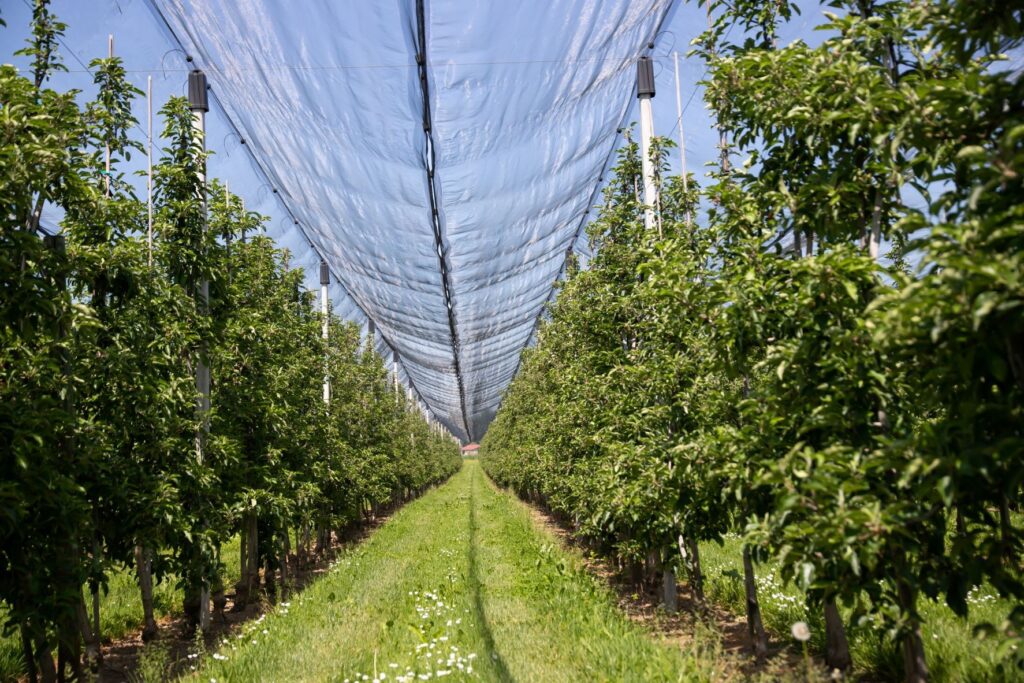
Shade netting serves diverse purposes across industries. In agriculture, it shields crops from harsh sunlight, wind, and rain, ensuring healthy growth. Horticulturists use it to protect ornamental plants and flowers, creating ideal microclimates for their development. Greenhouses rely on shade netting to regulate temperature and light, fostering a stable environment for plants.
Beyond agriculture, shade netting has applications in construction and outdoor spaces. Construction sites use netting to protect workers and materials from extreme weather conditions. Outdoor areas, such as patios and playgrounds, benefit from shade netting by providing cooler spaces for relaxation and activities.
The rising demand for shade netting reflects its effectiveness in addressing environmental challenges. Industries increasingly recognize its benefits, such as UV protection and temperature control, driving growth in the market. Whether you need to safeguard crops or create comfortable outdoor spaces, shade netting offers reliable solutions tailored to your requirements.
Types of Sun Shade Netting Materials

Choosing the right shade netting material is crucial for achieving optimal results in your application. Each type of material offers distinct advantages tailored to specific needs. Below, you’ll find an overview of the most common types of shade netting materials and their unique properties.
Monofilament Shade Netting
Monofilament shade cloth stands out for its durability and strength. This material is woven from single strands of synthetic fibers, creating a robust structure that resists tearing and wear. You’ll find it particularly useful in environments where long-term performance is essential, such as agricultural shade cloth applications or greenhouse setups.
Tip: Monofilament shade cloth is ideal for areas exposed to harsh weather conditions due to its resilience and longevity.
Its ability to withstand UV radiation ensures that your crops, plants, or outdoor spaces remain protected over time. Additionally, this material offers consistent shading, making it a reliable choice for regulating light and temperature.
Tape Shade Netting
Tape shade netting provides a lightweight and flexible solution for various shading needs. This material is crafted from flat, tape-like fibers, which contribute to its ease of handling and affordability. If you’re looking for a cost-effective option for temporary shading or smaller projects, tape shade netting is worth considering.
- Advantages:
- Lightweight design simplifies installation.
- Affordable pricing makes it accessible for budget-conscious users.
However, tape shade netting may not offer the same level of durability as monofilament shade cloth. It’s best suited for applications where frequent replacement or short-term use is acceptable.
Knitted Shade Cloth
Knitted shade cloth combines durability with versatility. Unlike woven shade cloth, knitted fabrics don’t unravel when cut, allowing you to customize the size and shape to fit your specific needs. This feature makes it particularly popular among gardeners and horticulturists.
Knitted shade cloth also promotes excellent ventilation, ensuring that air circulates freely while providing effective shading. You’ll appreciate its ability to maintain a stable environment for plants, especially in greenhouses or outdoor gardens.
Note: Knitted shade cloth is a practical choice for areas requiring both shading and airflow, such as agricultural shade cloth setups.
Metal Mesh Shade Netting
Metal mesh shade netting offers unmatched robustness and weather resistance. This material is constructed from metal wires or sheets, making it highly durable and capable of withstanding extreme conditions. If you need a shading solution for industrial or heavy-duty applications, metal mesh is an excellent option.
Its reflective properties help reduce heat buildup, keeping shaded areas cooler. While metal mesh shade netting excels in durability, it may lack the flexibility and ease of installation found in other materials.
Synthetic Shade Cloth (e.g., HDPE, PE, PP)
Synthetic shade cloth, made from materials like HDPE (High-Density Polyethylene), PE (Polyethylene), and PP (Polypropylene), offers versatility and UV protection. These synthetic materials are lightweight, easy to install, and resistant to environmental factors such as moisture and mold.
- Key Benefits:
- UV protection ensures long-lasting performance.
- Versatility makes it suitable for various applications, from agricultural shade cloth to residential use.
Synthetic shade cloth is available in different colors and shade percentages, allowing you to tailor your selection to your specific requirements. Whether you need to protect crops, create comfortable outdoor spaces, or enhance greenhouse conditions, synthetic materials provide reliable solutions.
Benefits and Drawbacks of Shade Netting Materials
Monofilament: Strength and Longevity
Monofilament shade netting offers exceptional durability and strength. Its tightly woven structure resists wear and tear, making it ideal for long-term use in demanding environments. You can rely on this material to withstand harsh weather conditions, including strong winds and intense UV exposure. This makes it a popular choice for agricultural applications, such as protecting fruit and vegetable plants in open fields or greenhouses.
However, the robust nature of monofilament netting comes with a higher cost compared to other shade materials. Its rigidity may also make installation more challenging, especially for large-scale projects. Despite these drawbacks, its durability and strength make it a worthwhile investment for those seeking reliable, long-lasting shade solutions.
Tape: Lightweight and Affordable
Tape shade netting stands out for its lightweight design and affordability. This material is easy to handle, making it a practical choice for temporary shading needs or smaller projects. You’ll find it particularly useful for creating shaded areas in gardens or outdoor spaces without incurring significant costs.
While tape netting is cost-effective, it lacks the durability of other materials like monofilament or knitted shade cloth. It may require frequent replacement, especially in areas with high UV exposure or extreme weather conditions. For short-term use or budget-conscious projects, tape shade netting provides a viable solution.
Knitted Cloth: Ventilation and Durability
Knitted shade cloth combines excellent ventilation with impressive durability. Its unique construction allows air to circulate freely, preventing heat buildup while providing effective shading. This makes it an excellent choice for greenhouses, where maintaining a stable environment for plants is crucial.
Another advantage of knitted cloth is its flexibility. You can cut it to fit specific dimensions without worrying about fraying, making it highly customizable. However, knitted shade cloth may not offer the same level of UV protection as synthetic materials. Despite this, its balance of ventilation and durability makes it a versatile option for various applications.
Metal Mesh: Robustness and Weather Resistance
Metal mesh shade netting delivers unmatched robustness and weather resistance. Constructed from metal wires or sheets, this material can withstand extreme conditions, including heavy rain, strong winds, and prolonged UV exposure. Its reflective properties also help reduce heat buildup, keeping shaded areas cooler.
While metal mesh excels in durability, it lacks the flexibility and ease of installation found in other shade materials. Its weight and rigidity may pose challenges during setup, and it is generally more expensive. For industrial or heavy-duty applications, metal mesh shade netting remains a top choice due to its strength and weather resistance.
Synthetic Materials: UV Protection and Versatility
Synthetic shade cloth, made from materials like HDPE, PE, and PP, offers a versatile and lightweight solution for various shading needs. These materials provide excellent UV protection, ensuring long-lasting performance even in harsh sunlight. You’ll appreciate their resistance to moisture, mold, and other environmental factors, making them suitable for both agricultural and residential use.
Synthetic materials come in a range of colors and shade percentages, allowing you to tailor your selection to specific requirements. Whether you need shade cloth for plants in a greenhouse or to create comfortable outdoor spaces, synthetic options deliver reliable results. However, they may not match the durability of metal mesh or monofilament netting in extreme conditions. Despite this, their versatility and UV protection make them a popular choice for many applications.
Practical Tips for Choosing the Right Shade Cloth
Selecting the Ideal Shade Percentage
Choosing the right shade cloth percentage is crucial for achieving optimal results. The percentage determines how much sunlight the netting blocks, directly impacting the environment beneath it. For agricultural applications, lower percentages (30-50%) work well for crops requiring moderate sunlight, while higher percentages (70-90%) suit delicate plants that thrive in shaded conditions. In greenhouses, selecting the correct percentage ensures plants receive adequate light without overheating.
Tip: Assess your plants’ light requirements before selecting a shade cloth percentage. This ensures you create the ideal growing conditions.
Choosing the Best Color for Your Needs
The color of your shade cloth influences light filtration and plant growth. Black shade netting provides balanced UV protection and is suitable for general use. Pearl-colored netting offers superior UV reduction, making it ideal for sensitive plants. Red and blue shades enhance specific wavelengths, promoting growth in ornamental plants or flowers.
| Shade Net Color | UVB Reduction | UVA Reduction | PAR Reduction | R: FR Ratio |
|---|---|---|---|---|
| Black | 55-60% | Moderate | 55-60% | ~1.0 |
| Red | Least | Least | 41-51% | ~0.8 |
| Blue | Moderate | Moderate | Intermediate | ~0.8 |
| Pearl | Most | Most | More than black | ~1.0 |
Note: Use pearl-colored netting for maximum UV protection, especially in areas with intense sunlight.
Determining the Right Size and Coverage
Selecting the correct size and coverage ensures your shade solutions meet your needs. Measure the area you want to cover and account for overlaps to avoid gaps. For greenhouses, ensure the shade cloth fits securely over the structure to provide uniform shading. Outdoor spaces like patios or playgrounds may require custom sizes for effective coverage.
Tip: Always purchase slightly larger netting to accommodate installation adjustments and ensure complete coverage.
Installation Tips for Effective Use
Proper installation maximizes the benefits of your shade cloth. Secure the netting tightly to prevent sagging, which can reduce its effectiveness. Use durable fasteners or clips to hold the cloth in place, especially in windy areas. For agricultural setups, ensure the shade cloth is elevated to allow air circulation and prevent heat buildup.
Tip: Regularly inspect your netting for wear and tear to maintain its performance over time.
Comparison of Sun Shade Netting Materials
Key Features and Benefits of Each Material
Each type of shade cloth offers unique features that cater to specific needs. Monofilament shade cloth provides exceptional strength and durability, making it ideal for long-term agricultural use. Its tightly woven structure ensures reliable protection for your plants against harsh sunlight. Tape shade netting, on the other hand, is lightweight and cost-effective. This makes it a practical choice for temporary shading projects or smaller areas.
Knitted shade cloth stands out for its flexibility and ventilation. You can cut it to fit custom dimensions without worrying about fraying. This feature makes it perfect for greenhouses where airflow is essential for maintaining healthy plants. Metal mesh shade netting excels in robustness and weather resistance. Its reflective properties help reduce heat buildup, keeping shaded areas cooler. Synthetic materials like HDPE and PE offer versatility and UV protection. These materials are lightweight, easy to install, and resistant to environmental factors like mold and moisture.
Summary of Drawbacks and Limitations
While each shade cloth type has its strengths, they also come with limitations. Monofilament netting, though durable, can be more expensive and challenging to install. Tape netting lacks the longevity of other materials, requiring frequent replacement in harsh conditions. Knitted shade cloth may not provide the same level of UV protection as synthetic options. Metal mesh netting, while highly durable, is heavy and less flexible, making installation more difficult. Synthetic materials, although versatile, may not match the durability of metal or monofilament netting in extreme environments.
By understanding these features and limitations, you can select the shade cloth that best suits your specific needs.
Understanding the differences between sun shade netting materials is essential for achieving optimal results. Each material offers unique benefits, from durability to UV protection, making it vital to match the material to your specific needs. Factors like shade percentage, color, and installation techniques significantly impact the effectiveness of your setup.
Proper selection and installation of shade netting can maximize benefits, as shown in the table below:
| Metric | Value |
|---|---|
| Average Handprint Payback | 3.9 years |
| Water Handprint Payback | < 3.9 years |
| Energy Handprint Payback | < 5.0 years |
| Climate Handprint Payback | < 5.2 years |
| Longest Payback Scenario | < 20 years warranty |
By choosing the right shade netting, you can protect your plants, regulate temperature, and create comfortable environments. Make informed decisions to ensure long-term success and sustainability.
 English
  German
  French
  Japanese
  Spanish
  Russian