
You want your small crops to stay healthy and productive. An anti-bird net gives you a practical and humane way to stop birds from damaging your plants. This net creates a strong barrier that keeps birds away, so your crops grow without interference. You can protect your harvest and help local wildlife at the same time.
Wichtigste Erkenntnisse
- Anti-bird nets create a strong barrier that keeps birds away and protects your crops from damage.
- Choosing the right net material and mesh size helps block the specific birds in your area effectively.
- You can install nets yourself for small gardens or hire professionals for larger areas to ensure a secure fit.
- Regularly check and repair nets to keep them working well and protect your crops all season.
- Using nets reduces the need for chemicals, supports wildlife, and helps your plants grow healthy and strong.
How Anti-Bird Net Works
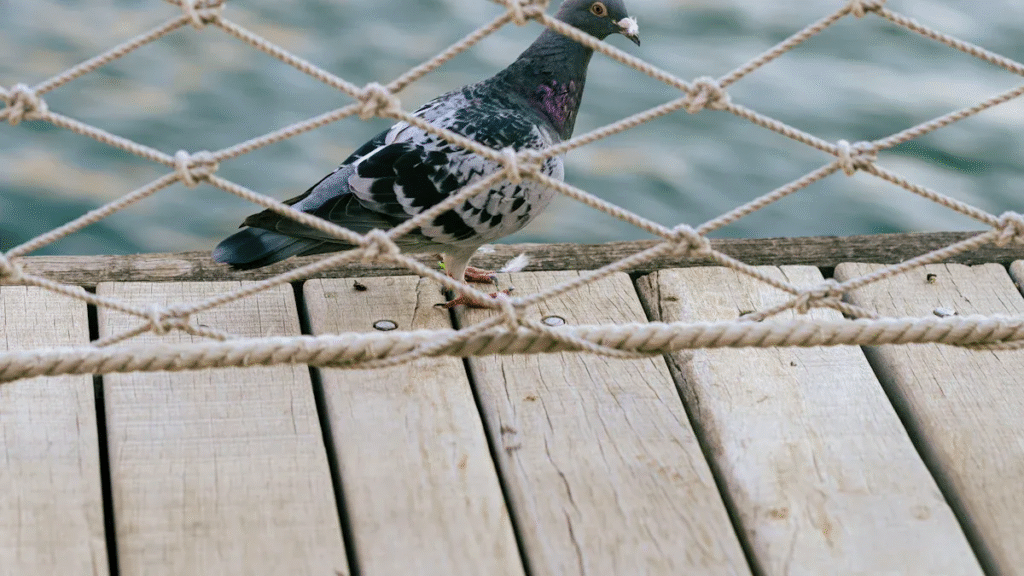
Physical Barrier
When you use an anti-bird net, you create a strong shield around your crops. This net forms a physical barrier that stops birds from reaching your plants. You can choose from different mesh sizes to match the types of birds in your area. For example, a 1/2″ heavy-duty net blocks both birds and pests for up to five years. Polypropylene nets work well for commercial gardens and areas where you need zero tolerance for bird damage. These nets are weather-resistant and almost invisible once installed, so they do not spoil the look of your garden.
- 1/2″ heavy-duty netting blocks birds and pests for up to five years.
- Polypropylene construction offers durability and weather resistance.
- Proper installation is important for the best results.
- Many users report that these nets keep pigeons and other birds away from crops and roosting sites.
- 3/4″ standard netting also works well and is nearly invisible from a distance.
A scientific study in aquaculture systems shows that the right mesh size matters. Larger birds stay out with coarser barriers, while smaller birds need finer mesh to keep them away. You can improve protection by choosing the right net and following the manufacturer’s instructions.
Tip: Always check the netting for gaps or loose spots after installation. This helps you keep your crops safe all season.
Pflanzenschutz
You want your crops to grow without damage. An anti-bird net gives you a reliable way to protect your harvest. Field trials in Africa showed that anti-bird nets provided almost complete protection from grain-eating birds. These nets worked as well as, or even better than, hiring people to scare birds away. You can trust that a well-installed net will keep birds from eating or damaging your crops.
When you use an anti-bird net, you do not need to rely on scare tactics or chemicals. The net acts as a constant guard, blocking birds day and night. You save time and effort, and your crops stay healthy and productive.
Disease Prevention
Birds can carry pests and diseases that harm your crops. By blocking birds, you also reduce the risk of disease. Research shows that exclusion nets lower crop damage from birds and other pests. In sweet cherry orchards, rows covered with nets had much less bird damage than unprotected rows. Installing nets before harvest also reduced pests like Spotted Wing Drosophila, which can spread disease.
- Exclusion nets reduce crop damage from birds and pests.
- Protected rows show less damage and fewer pests.
- Early installation helps prevent both bird and pest problems.
You help your crops stay healthy by using an anti-bird net. You also lower the chance of disease spreading in your garden or field.
Installing Anti-Bird Net

DIY Methods
Sie können install an anti-bird net on your own with basic tools and a little planning. Start by measuring your garden or crop area. Cut the net to fit, leaving extra material for secure attachment. Use stakes, poles, or hoops to create a frame around your crops. Drape the net over the frame and fasten it with clips, ties, or garden staples. Make sure the net reaches the ground and overlaps at the edges to block birds from sneaking underneath.
Tip: Check the net regularly for holes or loose spots. Quick repairs keep your crops safe all season.
DIY installation works well for small gardens or raised beds. You save money and gain flexibility to adjust the net as your plants grow. However, you may need to spend more time checking for gaps and making repairs.
Professional Setup
For larger gardens or commercial plots, you may want a professional setup. Trained installers visit your site, measure the area, and recommend the best materials. They use specialized hardware and techniques to secure the anti-bird net tightly, leaving no gaps for birds to enter. Many providers offer warranties from 3 to 10 years, covering both materials and installation. Some companies also provide aftercare services to help you maintain the net over time.
- Professionals use durable materials like UV-resistant nets and stainless steel fixings.
- Certified installers follow industry standards for safety and quality.
- Customer reviews often highlight the reliability and long-term benefits of professional installation.
Professional installation costs more upfront, but you get a secure, long-lasting solution that needs less maintenance.
Tips for Effectiveness
You can extend the life of your anti-bird net and improve protection with a few simple steps:
| Tipp | Warum es wichtig ist |
|---|---|
| Inspect nets often | Early repairs stop birds from getting in |
| Clean gently | Dirt and debris can weaken the net |
| Follow instructions | Proper setup prevents gaps and sagging |
| Use UV-resistant nets | Sun protection keeps nets strong longer |
Note: A well-installed net protects your crops for years and reduces the need for chemicals.
Choosing Netting
Materials and Mesh Size
When you wählen Sie ein Netz aus, you need to consider both the material and the mesh size. Different materials offer unique benefits:
- Polyester and Polyethylene: These plastics provide good strength, flexibility, and UV resistance. They work well for most gardens and last several seasons.
- Nylon: This material stands out for its durability, lightweight feel, and smooth texture. Nylon resists mold and rot, making it easy to handle and safe for birds.
- Stainless Steel Wire Mesh: Choose this for maximum durability and weather resistance. Stainless steel nets last the longest but cost more.
Mesh size matters just as much as material. Smaller mesh sizes, such as 15 to 20 mm (about 3/4 inch), block small birds like sparrows and finches. Larger mesh sizes, up to 4 inches, suit bigger birds but need stronger materials to prevent damage. Always match the mesh size to the birds you want to keep out.
| Material | Dauerhaftigkeit | UV-Beständigkeit | Best For |
|---|---|---|---|
| Polyethylene | Hoch | Gut | General crop protection |
| Nylon | Very High | Ausgezeichnet | Flexible, safe netting |
| Stainless Steel | Superior | Ausgezeichnet | Long-term, harsh areas |
Tip: Smaller mesh sizes increase protection but may reduce airflow. Balance safety and ventilation for healthy crops.
Matching Crops and Garden Size
You should match your netting choice to your crop type and garden size. For small gardens or raised beds, lightweight polyethylene or nylon nets are easy to install and move. For larger plots or commercial fields, stronger materials like heavy-duty polyethylene or stainless steel provide better coverage and last longer. Custom netting options let you fit unusual shapes or large areas.
Think about the birds in your area. If you grow berries or small fruits, use a fine mesh to keep out tiny birds. For larger crops or open fields, a wider mesh may work if you only need to block bigger birds.
Durability and Maintenance
Durability depends on both material and how you care for your net. Polyethylene and polypropylene nets resist sunlight and tearing, so they last through many seasons. Stainless steel nets handle harsh weather and resist corrosion, making them ideal for long-term use. Nylon nets combine flexibility with strength and resist mold.
To keep your netting in top shape:
- Inspect for holes or sagging every few weeks.
- Clean gently with water to remove dirt and debris.
- Store nets in a dry place when not in use.
- Choose UV-resistant nets for outdoor gardens to prevent sun damage.
Note: High-quality netting with UV protection can last several years, saving you money and effort over time.
Extra Benefits
Humane Protection
You want to protect your crops, but you also care about wildlife. Bird nets offer a humane solution. These nets create a barrier that keeps birds away from your plants without causing them harm. Birds can still nest and forage in nearby areas, so you help maintain the balance of your local ecosystem. Studies show that bird nets reduce crop damage by up to 90% while letting birds access other habitats like hedgerows and grassy strips. The mesh design allows sunlight, air, and rain to reach your crops, so your plants stay healthy and wildlife stays safe. You avoid chemicals and toxic substances, which supports biodiversity and keeps your garden a safe place for all creatures.
Reduced Pesticide Use
When you use nets to block pests, you do not need as many chemical sprays. This change benefits both your crops and the environment. Research shows that farms using nets apply pesticides much less often than those without nets. Take a look at the table below:
| Phase | Pesticide/Fungicide | Frequency of Application (Net Adopters) | Frequency of Application (Non-Adopters) |
|---|---|---|---|
| Nursery Phase | Mancozeb, Maneb | 1.2 times | 3 times |
| After Transplant | Pacha, Lambda, Decis, Kinikini | Lower frequency | Higher frequency |
Net-protected crops face fewer pest attacks, so you save money and reduce chemical exposure. You also help beneficial insects like pollinators thrive, which supports healthy soil and strong plants.
Other Uses
Bird nets do more than just protect crops. You can use them in many ways across your farm or property. Here are some examples:
- Shield berries, seedlings, and vegetables from birds and other pests with pop-up netting or crop cages.
- Cover fish ponds to keep birds away and protect aquatic life.
- Prevent birds from nesting on buildings, roofs, or equipment, keeping these areas clean.
- Protect mining ponds by covering them, which stops wildlife from entering and helps meet environmental rules.
- Use different net types, such as wire crop coops or row cloches, to fit your specific needs.
Nets can also diffuse sunlight, protect plants from hail, and help regulate temperature in greenhouses. You get higher quality crops, better yields, and a safer environment for both people and wildlife.
You gain strong protection for your crops when you use an anti-bird net. This simple tool keeps birds away, helps your plants stay healthy, and lasts through many seasons. You also help the environment by reducing the need for chemicals. Choose the right netting and installation method for your garden. Check your net often to keep it working well.
Remember, a well-maintained anti-bird net gives you better harvests and supports local wildlife.
 German
  English
  French
  Japanese
  Spanish
  Russian