
Urban spaces face persistent challenges from pest birds, often resulting in property damage and increased maintenance costs. You can address these issues effectively with bird netting, a solution that stands out for its durability and humane approach.
Bird netting physically excludes birds without harm, using weather-resistant materials that offer long-term protection and minimal maintenance.
| Method | Effectiveness (Pigeons Removed) | Safety Aspect | Longevity |
|---|---|---|---|
| Mist-netting | ~1000 to 250 in 150 days | No injury to birds | Long-term |
| Trapping | 173 in 105 days | Passive, no reported injury | Medium-term |
| Falconry | Least effective | Requires trained falconers | Varies |
This approach helps you reduce health risks, lower noise, and maintain the visual appeal of your property.
Wichtigste Erkenntnisse
- Vogelschutznetz keeps pest birds away without harming them, protecting your property from damage and costly repairs.
- Durable, weather-resistant materials ensure long-lasting protection with minimal maintenance.
- Installing bird netting reduces health risks by preventing bird droppings and nests in unsafe areas.
- Modern netting blends well with buildings, preserving their appearance and fitting different urban spaces.
- Easy to install and maintain, bird netting offers a cost-effective, humane solution for bird control.
What Is Bird Netting
How Bird Netting Works
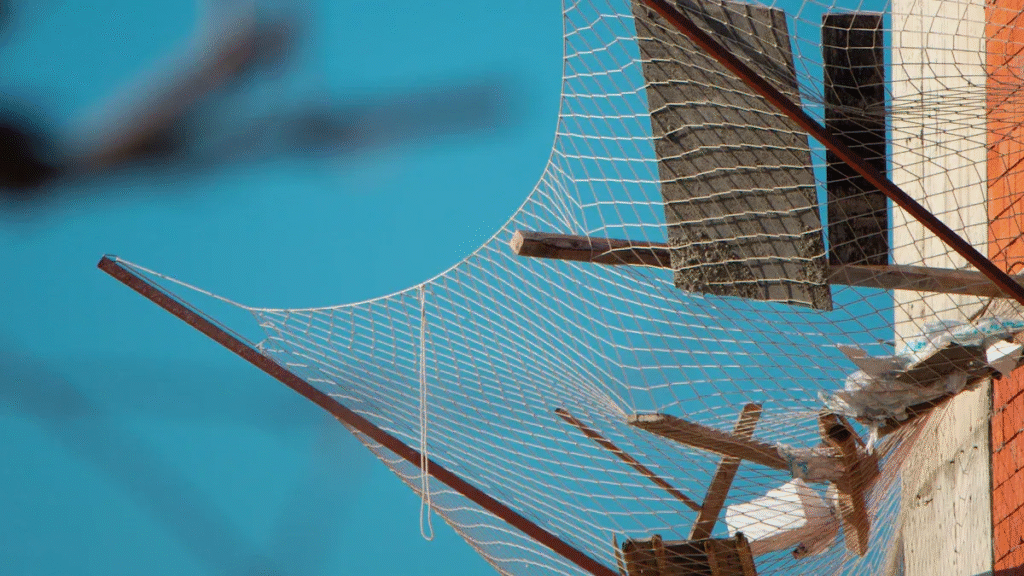
Sie können verwenden bird netting as a physical barrier to keep birds away from specific areas. Manufacturers design it from UV-stabilized materials like polyethylene or polypropylene, which ensures long-lasting protection against sun and weather. The mesh size of the netting determines which birds you can exclude. For example, a 3/4-inch mesh targets small birds, while a 2-inch mesh works for larger species.
Bird netting does not harm birds. Instead, it prevents them from landing, nesting, or roosting in unwanted locations.
Industry standards require quality testing, such as ISO 1806 and ISO 9001, to guarantee strength and durability. You can find netting in different duty grades—heavy, standard, and light—so you can match the product to your needs. Many suppliers offer installation support and training, making it easier for you to set up the netting correctly.
- UV-stabilized for durability
- Mesh sizes tailored to bird species
- Quality tested for strength
- Available in various duty grades
Types of Bird Netting
You have several options when choosing bird netting. The main types differ in material, mesh size, and installation method. Here is a comparison of common types:
| Typ | Material | Mesh Size | Typical Use | Entanglement Risk |
|---|---|---|---|---|
| Vertical Nets | Nylon (black/clear) | 3–14 cm | Aquaculture, agriculture | Hoch |
| Net Exclosures | Polypropylene | <0.25″–2″ | Small area protection | Niedrig |
| Parallel Cords | Nylon/polypropylene | K.A. | Ponds, open spaces | Moderate |
Outdoor bird netting uses rot- and water-proof materials for maximum durability. You can also find wire mesh systems for solar panels, bird coils for ledges, and electric deterrent systems for specialized needs. The right choice depends on your property, target bird species, and the area you want to protect.
Benefits of Bird Netting
Property Protection
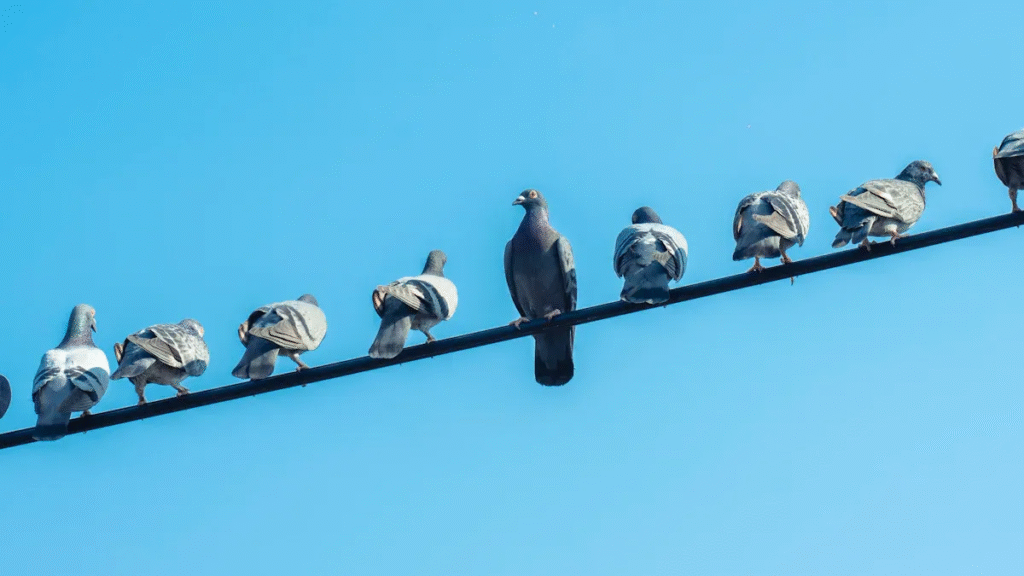
You face constant threats from pest birds in urban environments. Birds can damage building facades, rooftops, and ventilation systems. Their droppings corrode surfaces and create unsightly stains. You may also see birds nesting in gutters, which leads to blockages and water damage. Bird netting acts as a reliable barrier that keeps birds away from these vulnerable areas. You protect your property from costly repairs and preserve the structural integrity of your buildings. In agriculture, you can use netting to shield crops from pecking and contamination. Infrastructure such as bridges, warehouses, and parking garages also benefit from this protection.
By installing bird netting, you create a long-lasting defense that reduces maintenance needs and extends the lifespan of your assets.
Health and Safety
Birds often carry diseases that can spread to humans through droppings and nesting materials. You reduce the risk of illnesses such as histoplasmosis, cryptococcosis, and psittacosis by preventing birds from accessing your property. Bird netting helps you maintain a cleaner and safer environment for building occupants, workers, and visitors.
Noise from flocks of birds can disrupt daily activities and lower the quality of life in residential and commercial areas. You minimize these disturbances by keeping birds away from high-traffic zones.
- You lower the risk of slip-and-fall accidents caused by droppings.
- You prevent birds from nesting near HVAC systems, which can compromise air quality.
Cost Savings
You may notice that the initial investment in bird netting, especially stainless steel options, appears higher than traditional materials. However, you benefit from superior durability and corrosion resistance. Stainless steel netting requires minimal maintenance and rarely needs replacement. Over time, you save money by avoiding frequent repairs and replacements.
Case studies from aviary zoos, including Birdland Park and San Diego Zoo Safari Park, show that these installations withstand harsh conditions and deliver significant long-term savings. When you work with experienced contractors, you can plan your budget more accurately and avoid unexpected expenses.
Bird netting offers a cost-effective solution that protects your property and reduces ongoing maintenance costs.
Auswirkungen auf die Umwelt
You support sustainable and humane pest control when you choose bird netting. The commercial bird control market increasingly favors non-lethal solutions due to rising environmental awareness. Physical barriers like netting provide effective protection without harming birds or disrupting local ecosystems.
Modern bird netting uses UV-resistant materials that last five to ten years with proper care. You comply with environmental regulations and demonstrate responsibility by selecting eco-friendly methods.
Innovations such as ultrasonic repellents and laser systems complement netting, but you achieve the best balance of durability and minimal environmental impact with physical barriers.
Bird netting stands out as a humane, eco-friendly solution that aligns with modern sustainability goals.
Bird Netting and Aesthetics
Visual Impact
You want to protect your property without sacrificing its appearance. Modern bird netting offers solutions that blend seamlessly with urban architecture. Manufacturers design netting with thin, nearly invisible filaments. This approach keeps the focus on your building’s features, not on the protective barrier. You can choose netting in colors that match your structure, such as black, stone, or translucent options. These choices help the netting disappear against different backgrounds.
Many property owners worry about unsightly barriers. You can rest assured that high-quality netting preserves the visual appeal of historical buildings, large atriums, and open public spaces. For example, installations in botanical gardens and urban plazas use netting that maintains open views and natural light.
Anpassungsoptionen
You have access to a wide range of customization options for Vogelschutznetz. Manufacturers can tailor mesh size, color, and installation method to fit your specific needs. You might need retractable netting for sports arenas, which allows flexibility during events. In walk-in aviaries, wire rope mesh creates secure, transparent environments that do not obstruct visitor views. Urban botanical gardens often integrate netting into existing landscapes, blending safety with aesthetics.
- Historical buildings: Netting designed to blend with architectural features, preserving the original look.
- Sports arenas: Retractable systems provide protection when needed and open space during games.
- Large atriums: Nearly invisible netting maintains open, airy environments.
- Wildlife sanctuaries: Multi-level mesh installations mimic natural habitats and support bird welfare.
You can work with specialists to design netting that meets both functional and visual requirements. This approach ensures you protect your property while enhancing its overall appearance.
Installation und Wartung
Easy Installation
Sie können install bird netting with minimal effort and no need for specialized equipment. Most kits include anchors, ties, and clear instructions, making the process accessible for property owners and facility managers. Start by measuring and planning the area you want to cover. Gather basic tools such as stakes, zip ties, and cutting tools. Prepare the site by clearing debris and pruning any plants. Secure the netting over the area using stakes or poles, then attach it tightly with zip ties or clips to eliminate gaps. Trim any excess netting carefully.
Tip: Work with a partner and choose a calm day for installation to prevent tangling and ensure a smooth process.
Many users report that the netting is easy to handle and install, even for first-timers. Some products feature tangle-free designs or color-coded ropes to guide assembly, further simplifying the process.
Dauerhaftigkeit
You benefit from the long-term durability of modern netting materials. High-density polyethylene (HDPE) netting resists rot, water, and UV degradation, making it suitable for outdoor use in various climates. Manufacturers often provide a 10-year limited warranty against UV damage and defects.
| Feature | Nutzen Sie |
|---|---|
| HDPE-Werkstoff | Resists rot, water, and UV rays |
| Warranty | 10-year limited coverage |
| Weather Resistance | Performs well in humid and harsh conditions |
| Testing Standards | Meets ISO and ASTM durability requirements |
To maintain effectiveness, inspect the netting regularly for gaps or damage. Clean it by removing debris and washing with a hose. Dry thoroughly to prevent mold growth. Repair minor tears promptly to extend the lifespan of your installation.
Häufige Fehler
You can avoid common mistakes by following best practices during installation and maintenance. Leaving gaps or sagging areas allows birds to enter, reducing the effectiveness of your barrier. Always ensure complete coverage and secure the netting tightly. Select materials that match your local climate to prevent premature wear.
Note: Neglecting regular inspections or cleaning can shorten the life of your netting and compromise protection.
Avoid using unsuitable materials, such as non-stainless steel spikes in wet environments, which may corrode. Combine netting with other deterrents, like reflective devices, for enhanced results. Proper setup and routine care help you maintain a safe, bird-free environment.
You gain significant benefits when you choose bird netting for urban spaces. This solution protects your property, saves you money, and keeps your building’s appearance intact. You avoid costly repairs and reduce health risks. Bird netting offers a humane way to manage pest birds. If you want a long-term, effective strategy, consult with a professional to plan your next steps.
 German
  English
  French
  Japanese
  Spanish
  Russian