
Birds like blackbirds and European starlings can wreak havoc on your fruit trees. They not only consume your harvest but also reduce fruit quality, making it prone to pests and diseases. This damage costs growers millions annually. Using a bird net is a practical way to safeguard your trees and preserve your fruit.
Why Bird Netting Works
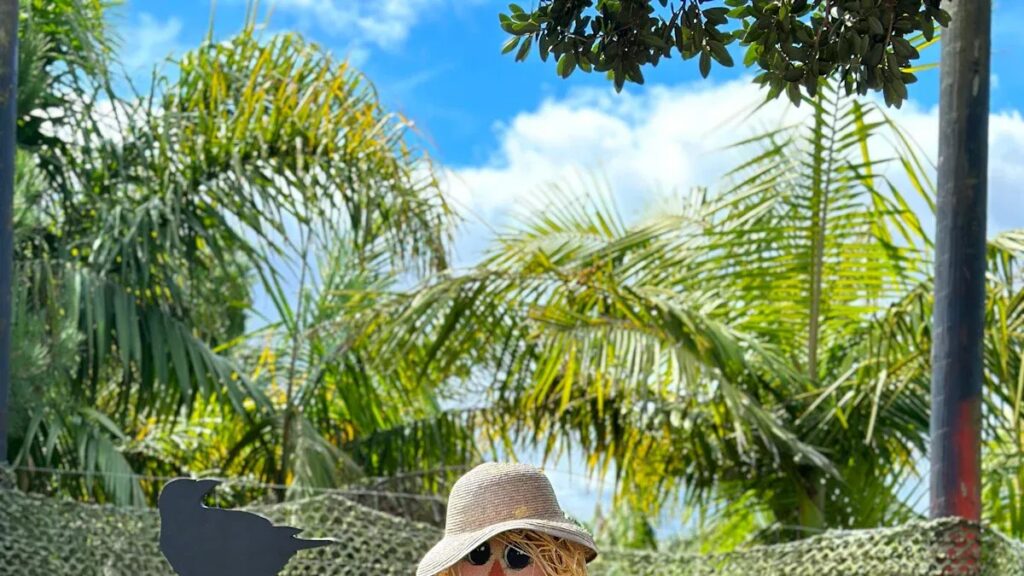
Vogelschutznetz is one of the most effective ways to protect your fruit trees from bird damage. Its design creates a physical barrier that prevents birds from reaching the fruit while allowing sunlight, air, and water to pass through. This method is not only practical but also environmentally friendly, as it avoids the use of harmful chemicals or invasive deterrents.
Benefits of Using Bird Net
Using bird netting offers several advantages that make it a preferred choice for fruit tree protection:
- Significant Reduction in Fruit Loss: Studies show that bird netting can reduce fruit loss from 37% to just 4%. This means you can enjoy a much higher yield from your trees.
- Increased Harvest Yield: Backyard lychee tree owners have reported a 33% increase in fruit yield after installing protective netting.
- Cost-Effectiveness Over Time: While the initial cost of bird netting may be higher than other deterrent methods, its durability and reliability make it a worthwhile investment.
- Ease of Use: Bird nets are easy to install and maintain, making them a practical solution for both small-scale gardeners and commercial growers.
- Environmentally Friendly: Unlike chemical repellents, bird netting poses no risk to the environment or the birds themselves.
Tipp: For smaller fruit trees or bushes, lightweight materials like tulle fabric can serve as an alternative to traditional bird nets. Many users have found this method effective in protecting their harvest.
How Bird Net Protects Fruit Trees
Bird netting works by creating a physical barrier that birds cannot penetrate. When properly installed, it covers the entire tree, including the canopy and fruit, leaving no gaps for birds to exploit. Even small gaps of up to six inches are rarely used by birds, as they tend to avoid confined spaces.
The following table compares bird netting to other common deterrent methods, highlighting its superior effectiveness:
| Method | Effectiveness | Cost Consideration |
|---|---|---|
| Bird Netting | Most reliable for controlling damage | Higher initial cost, but dependable |
| Noise Devices | Inconsistent effectiveness, can diminish | Lower initial cost, but less reliable |
| Visual Scare Tactics | Often ineffective as birds adapt | Varies, generally lower cost |
Bird netting not only prevents birds from eating your fruit but also protects the fruit from pecking damage. This reduces the risk of pests and diseases entering through damaged areas, ensuring healthier and more marketable produce.
Hinweis: To maximize the effectiveness of bird netting, ensure it is installed tightly around the tree and secured to the ground. Loose or improperly installed nets may allow birds to sneak through or get trapped.
Installing Bird Netting
Tools and Materials Needed
Before you begin installing a bird net, gather the necessary tools and materials to ensure a smooth process. Having everything ready will save time and make the installation more efficient. Here’s what you’ll need:
- Vogelnetz: Choose a durable, UV-resistant netting designed to withstand weather conditions and prevent birds from accessing your fruit trees.
- Support Poles or Stakes: These help secure the netting above the tree canopy, preventing it from sagging onto the fruit.
- Clips or Ties: Use these to fasten the netting securely to the poles or stakes.
- Ladder: A sturdy ladder is essential for reaching the top of taller trees.
- Scissors or Utility Knife: These are useful for cutting the netting to the desired size.
Tipp: Invest in high-quality materials to ensure the reliability of your bird netting system. While the initial cost may be higher, durable materials reduce the need for frequent replacements, saving you money in the long run.
Step-by-Step Installation
Installing a bird net requires careful planning and execution to maximize its effectiveness. Follow these steps to protect your fruit trees:
- Measure Your Tree: Start by measuring the height and width of your tree. This ensures you cut the netting to the correct size, leaving enough material to cover the entire canopy and secure it to the ground.
- Prepare the Netting: Lay the bird net flat on the ground and cut it to the required dimensions. Make sure to leave extra material for overlapping and securing.
- Set Up Support Poles: Place poles or stakes around the tree to create a framework for the netting. Position them 1-2 feet away from the tree trunk to prevent birds from accessing the fruit through gaps.
- Drape the Netting: Carefully drape the netting over the tree, ensuring it covers the entire canopy. Use a ladder for taller trees, and work with a partner for easier handling.
- Secure the Edges: Fasten the netting to the poles or stakes using clips or ties. Pull the netting taut to eliminate sagging, which could allow birds to get trapped or sneak through.
- Anchor to the Ground: Secure the bottom edges of the netting to the ground using stakes or weights. This prevents birds from entering from below.
Hinweis: Proper installation is crucial for the bird net to work effectively. Ensure there are no gaps or loose sections that birds could exploit.
Maintenance Tips for Longevity
To get the most out of your bird netting, regular maintenance is essential. Proper care will extend its lifespan and ensure it continues to protect your fruit trees effectively.
- Inspect Regularly: Check the netting for tears, holes, or loose sections. Repair any damage immediately to maintain its effectiveness.
- Clean the Netting: Remove debris, such as leaves or twigs, that may accumulate on the netting. This prevents sagging and keeps the net lightweight.
- Adjust as Needed: As your tree grows, adjust the netting to accommodate its size. Ensure the netting remains taut and securely fastened.
- Store Properly: If you remove the netting during the off-season, store it in a dry, cool place to prevent damage from moisture or pests.
Profi-Tipp: High-quality bird nets are designed to withstand most weather conditions, but extreme weather can cause wear and tear. Inspect your netting after storms to ensure it remains intact.
By following these steps and maintenance tips, you can ensure your bird netting remains a reliable solution for protecting your fruit trees season after season.
Other Bird Deterrent Methods
While Vogelschutznetz is highly effective, you can combine it with other deterrent methods to maximize protection for your fruit trees. These alternatives can help reduce bird activity in your garden and complement your primary defense.
Reflective Objects and Tape
Reflective objects, such as aluminum foil strips or reflective tape, can deter birds by creating flashes of light that mimic predator movements. You can hang these materials from tree branches or stakes around your garden. The sudden glints of light startle birds and discourage them from approaching.
Tipp: Rotate or reposition reflective objects periodically. Birds may adapt to stationary deterrents over time, reducing their effectiveness.
Scare Devices for Birds
Scare devices, including predator decoys and motion-activated sprinklers, can create an environment that birds find threatening. Owl or hawk decoys placed near your fruit trees can simulate the presence of predators. Motion-activated sprinklers startle birds with sudden bursts of water, keeping them away without causing harm.
However, birds may become accustomed to these devices if they remain static. To maintain their effectiveness, reposition decoys and adjust sprinkler settings regularly.
Reducing Attractants Near Trees
Minimizing attractants around your fruit trees can significantly reduce bird activity. Remove fallen fruit promptly, as it can lure birds to your garden. Avoid placing bird feeders or water sources near your trees during the fruiting season.
The following table compares bird netting with other deterrent methods to help you choose the best combination for your needs:
| Method | Effectiveness | Labor Requirements | Cost Implications |
|---|---|---|---|
| Bird Netting | Best treatment | Labor intensive | Hoch |
| Laser Deterrents | Moderate | Niedrig | Moderate |
| Traditional Visual | Initial effect | Moderate | Niedrig |
| Audio Deterrents | Variable | Moderate | Moderate |
| Control (No Deterrent) | High damage | K.A. | K.A. |
By combining these methods with bird netting, you can create a multi-layered defense system that ensures your fruit trees remain safe and productive.
Best Time to Use Bird Netting
When to Install Bird Net
Timing plays a critical role in ensuring bird netting effectively protects your fruit trees. You should install the netting immediately after pollination, once the fruit begins to form in its green stage. This timing allows pollinators to access the flowers while safeguarding the developing fruit from birds.
As the fruit ripens, typically in late summer or early fall, covering the trees becomes even more essential. Birds are most active during this phase, drawn to the sweet aroma and vibrant colors of ripening fruit. By installing the netting before this period, you can prevent significant damage to your harvest.
Tipp: Monitor your trees closely during the growing season. Early installation ensures birds do not establish feeding patterns that are harder to disrupt later.
Seasonal Tips for Protection
Seasonal adjustments to your bird netting strategy can maximize its effectiveness. During the growing season, inspect the netting regularly for tears or gaps. Repairing damage promptly ensures birds cannot exploit weak points.
In winter, remove the netting to prevent wear and tear from harsh weather conditions. Storing it in a dry, cool place extends its lifespan and keeps it ready for the next growing season.
- Key Seasonal Guidelines:
- Install netting after pollination and before fruit ripens.
- Remove fallen fruit to reduce bird attraction.
- Adjust the netting as trees grow to maintain full coverage.
Profi-Tipp: Secure the netting tightly around the tree and anchor it to the ground. Proper installation prevents birds from sneaking underneath or getting trapped inside.
By following these seasonal tips, you can protect your fruit trees year-round and enjoy a bountiful harvest.
Bird netting offers a dependable way to protect your fruit trees from bird damage. Its simplicity and effectiveness make it an essential tool for gardeners and growers.
- Maximize results by pairing bird netting with reflective objects or scare devices.
- Act now to safeguard your harvest and enjoy healthier, more abundant fruit.
Tipp: Start early in the season to prevent birds from establishing feeding habits.
 German
  English
  French
  Japanese
  Spanish
  Russian