
Anti-bird netting serves as a highly effective physical barrier that prevents birds from entering specific areas. By creating a secure enclosure, it safeguards crops, buildings, and gardens from bird-related damage. Research by Bird Control Solutions highlights its efficiency, showing that using bird netting can reduce crop losses by up to 90% in certain cases. This makes it an essential tool for farmers, gardeners, and property owners seeking humane bird control methods. Its rising popularity is evident, with the global market for such nets projected to grow significantly over the next decade.
How Bird Net Works
Materials used in bird netting
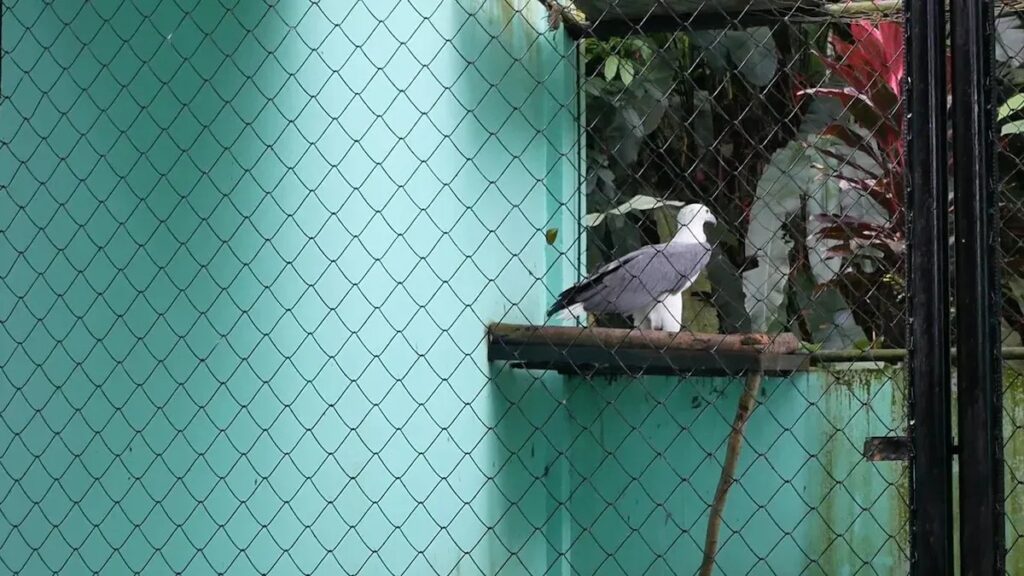
Vogelschutznetz relies on durable materials to ensure long-lasting performance and effective bird control. Manufacturers commonly use materials like polyethylene, nylon, and polypropylene due to their strength and resistance to environmental factors. These materials are often UV-stabilized to withstand prolonged exposure to sunlight without degrading. For example, polyethylene bird netting is highly durable, flame-resistant, and waterproof, making it suitable for harsh weather conditions. Nylon nets, on the other hand, are lightweight and flexible, offering ease of installation and versatility.
The type of material used often depends on the specific application. Below is a table summarizing the most common materials and their properties:
| Type of Netting | Material Description | Mesh Size Options | Benefits |
|---|---|---|---|
| Garden Netting | Black UV-protected polypropylene | 3/4”, 1/2”, 1/4” | Lightweight, easy to deploy, reusable, and versatile installation options. |
| Heavy Duty Netting | Six strands of twisted and knotted, polyethylene UV-treated twine | 3/4”, 1 1/8”, 2” | Durable, high break strength, flame resistant, rot proof, virtually invisible when installed. |
| No-Knot Bird Netting | Black multi-stranded polypropylene fiber | 3/4” | Easier installation, 40lbs break strength, same warranty as Heavy Duty Netting. |
| Polyethylene Bird Netting | UV-stabilized polyethylene mesh | 2”, 11/8”, 3/4” | Holds up in harsh weather, flame resistant, rot-proof, waterproof, non-conductive. |
| Plastic Bird Netting | Lightweight plastic mesh | Various mesh sizes | Ideal for blocking out various bird species from gardens and small trees. |
Choosing the right material ensures that the bird net meets your specific needs, whether for agricultural, residential, or commercial purposes.
Mechanism of bird deterrence
Bird nets work by creating a physical barrier that prevents birds from accessing specific areas. Unlike other deterrent methods, such as sound or visual repellents, bird nets provide comprehensive coverage. This makes them highly effective in stopping birds from landing, nesting, or roosting on buildings, crops, or other protected spaces. The netting’s design ensures that birds cannot pass through the mesh, regardless of their size or species.
Studies have shown that exclusion nets are particularly effective in protecting high-value products from bird damage. These nets act as a shield, denying birds access to potential nesting or feeding sites. For example, a well-installed bird net can prevent birds from entering warehouses, substations, or agricultural fields. This physical deterrence method is not only reliable but also humane, as it does not harm the birds.
In addition to physical barriers, some advanced systems integrate technology to enhance bird deterrence. For instance, IoT-based detection systems use infrared sensors and predator sound generators to keep birds away. While these systems add an extra layer of protection, the core mechanism of bird nets remains their ability to block access effectively.
Tipp: When installing a bird net, ensure the mesh size matches the bird species you aim to deter. Smaller birds require tighter mesh, while larger birds can be kept out with wider mesh sizes.
Benefits of Bird Net
Crop and garden protection
Birds can cause significant damage to crops and gardens by feeding on fruits, vegetables, and seeds. Installing a bird net creates a protective barrier that keeps birds away from these areas. This ensures that your plants grow undisturbed and your harvest remains intact. For example, farmers often use bird nets to shield vineyards and orchards from bird infestations. Similarly, gardeners can protect delicate flowers or small vegetable patches from being destroyed.
The versatility of bird nets allows you to cover large agricultural fields or small backyard gardens. You can also choose different mesh sizes to target specific bird species. This adaptability makes bird nets an essential tool for anyone looking to safeguard their plants from bird-related damage.
Tipp: Regularly inspect your bird net for any gaps or tears. Even a small opening can allow birds to enter and cause harm to your crops or garden.
Prevention of property damage
Birds often nest or roost on buildings, leading to property damage over time. Their droppings can corrode metal surfaces, stain walls, and damage paint. Additionally, nesting materials can clog gutters and create fire hazards. Using a bird net prevents birds from accessing these areas, protecting your property from costly repairs.
For commercial properties, bird nets are particularly useful in warehouses, factories, and storage facilities. They keep birds from contaminating goods or machinery. Residential properties also benefit, as bird nets can stop birds from nesting in attics or under eaves. By installing a bird net, you can maintain the structural integrity and cleanliness of your property.
Humane and eco-friendly solution
Bird nets offer a humane way to control bird populations without harming them. Unlike chemical repellents or traps, bird nets simply block access to specific areas. This ensures that birds remain safe while your property stays protected. Additionally, bird nets are environmentally friendly. They do not release harmful substances into the air or soil, making them a sustainable choice for bird control.
A study of bird netting highlights its advantages and limitations, as shown in the table below:
| Vorteile | Limitations |
|---|---|
| Suitable for large areas | Ineffective if there are gaps or holes |
| Environmentally safe | Limited in its protection to certain portions |
| Effective against most species | Accurate installation is very difficult |
| Can last up to 15 years | Obscures some architectural elements |
When installed correctly, bird nets can last for years, providing long-term protection. Their durability and eco-friendly design make them a preferred choice for both residential and commercial applications.
Anmerkung: To maximize the lifespan of your bird net, choose UV-stabilized materials that can withstand prolonged exposure to sunlight.
Types of Bird Net
Material options (e.g., nylon, polyethylene)
Bird nets come in a variety of materials, each designed to meet specific needs. Nylon (PA) and polyethylene (PE) are two of the most commonly used materials. Nylon nets are known for their flexibility and lightweight properties, making them easy to install. However, studies show that nylon nets experience significant elongation after use, which can impact their long-term performance. Polyethylene nets, on the other hand, are highly durable and resistant to environmental factors like moisture and UV rays. This makes them ideal for outdoor applications where longevity is crucial.
Market research highlights the importance of tailored netting solutions. For example:
- North American farmers often choose polyethylene nets to protect crops from starlings and pigeons.
- In Europe, nylon nets are popular for urban settings to deter house sparrows and European starlings.
- Specialized materials like Breizline are also gaining traction due to their enhanced mechanical properties and resistance to wear.
When selecting a material, consider the specific bird species in your area and the environmental conditions your net will face.
Mesh sizes and their uses
The effectiveness of bird netting largely depends on the mesh size. Smaller mesh sizes are suitable for deterring small birds like sparrows, while larger meshes work well for bigger species such as pigeons. Common mesh sizes include:
- 1/4-inch mesh: Ideal for protecting gardens from small birds.
- 3/4-inch mesh: Versatile and effective for most bird species.
- 2-inch mesh: Best for larger birds in agricultural or industrial settings.
Testing methods reveal that mesh resistance to opening is influenced by the material’s flexural rigidity. This means that stronger materials maintain their shape better, ensuring consistent protection. Always match the mesh size to the bird species you aim to deter for optimal results.
Tipp: Use tighter mesh sizes for areas prone to infestations by smaller birds. This prevents them from squeezing through and causing damage.
Features like UV resistance and durability
Durability is a key factor when choosing bird netting. UV resistance ensures that the netting can withstand prolonged exposure to sunlight without degrading. Polyethylene nets, for instance, are often UV-stabilized, making them a reliable choice for outdoor use. Flame resistance and waterproofing are additional features that enhance the net’s lifespan and performance.
Testing has shown that materials with higher flexural stiffness, such as polyethylene, offer better resistance to wear and tear. This makes them suitable for high-stress applications like orchards and vineyards, where crop loss due to birds can range from 20-50%. Investing in durable, UV-resistant netting not only protects your property but also reduces the need for frequent replacements.
Anmerkung: Regularly inspect your netting for signs of wear. Even the most durable materials can weaken over time, especially in harsh environments.
Applications of Bird Net
Agricultural applications
Bird netting plays a vital role in agriculture by protecting crops from bird damage. You can use garden bird netting to shield fruit trees, vineyards, and vegetable gardens. This type of netting creates a barrier that prevents birds from feeding on your produce while maintaining a healthy microclimate for plants. For example, vineyards often use plastic mesh nets to protect grapes from pest birds during the ripening season.
Wildlife-friendly netting options are also available for agricultural use. These safer alternatives prevent entanglement of native animals and meet safety standards, such as the “finger test,” which ensures the mesh size is appropriate. Below is a table summarizing common agricultural applications:
| Application Area | Type of Netting | Beschreibung |
|---|---|---|
| Landwirtschaft | Garden Bird Netting | A plastic mesh net is ideal for protecting fruit trees, gardens, and vineyards. |
| Landwirtschaft | Safer netting alternatives | Wildlife-friendly options that prevent the entanglement of native animals. |
By choosing the right type of bird netting, you can significantly reduce crop losses and improve your harvest yield.
Residential uses
In residential settings, bird nets help you maintain a clean and safe environment. Birds often nest in attics, balconies, or under eaves, causing a mess and potential damage. Installing bird netting prevents them from accessing these areas. For instance, you can use lightweight plastic netting to block small birds like sparrows from entering your home.
Additionally, bird nets protect backyard gardens and small trees. They keep birds from eating seeds, fruits, or flowers, ensuring your garden thrives. With proper installation, bird nets offer an effective and humane solution for residential bird control.
Commercial and industrial uses
Bird netting is essential for commercial and industrial properties. Warehouses, factories, and storage facilities often face bird infestations that can contaminate goods or damage equipment. Heavy-duty polyethylene nets provide a durable solution for these spaces. They block birds from roosting or nesting in high-risk areas, ensuring your operations run smoothly.
In urban environments, bird nets are commonly used on building facades and rooftops. They prevent birds from perching, which reduces the risk of property damage and keeps the area clean. By investing in high-quality bird netting, you can protect your commercial assets and maintain a professional appearance.
Considerations and Drawbacks
Installation challenges
Installing bird netting can be a complex process that requires careful planning and execution. You need to select the right material, such as polyethylene or nylon, based on durability and environmental resistance. For example, specialized nylon nets used in large-scale projects like the Twin Towers construction were designed to withstand heavy loads. Choosing the wrong material can compromise the net’s effectiveness and lifespan.
Proper installation techniques are equally important. Precision is critical, as seen in the Golden Gate Bridge retrofitting project, where accurate placement ensured safety and functionality. If the netting is not secured tightly, wind can displace it, leading to gaps that birds can exploit. Additionally, sealing the edges of the net is essential to prevent pests from entering. Without proper sealing, the net may fail to provide adequate protection.
Maintenance needs
Bird netting requires regular maintenance to remain effective. You should inspect the netting frequently, especially after adverse weather conditions like storms or heavy winds. Fine mesh can shift or tear under these circumstances, reducing its ability to deter birds. Regular checks help you identify and repair any damage before it becomes a larger issue.
Maintenance also involves cleaning the netting to remove debris, bird droppings, or plant matter that may accumulate over time. Neglecting this step can lead to reduced airflow and sunlight penetration, which may harm the plants or crops underneath. For example, improper maintenance of netting over blueberry bushes can damage the plants and reduce fruit yield.
Environmental impact
While bird netting is an effective solution, it can have unintended environmental consequences. Improperly installed nets pose a risk of entangling non-target wildlife, such as small mammals or beneficial insects. This can disrupt local ecosystems and harm biodiversity. Fine mesh can also impede pollinators like bees, reducing their ability to access flowers and affecting pollination rates.
To minimize these impacts, you should choose wildlife-friendly netting options and ensure proper installation. Regular inspections can help you address issues like loose or damaged nets that may harm the environment. By taking these precautions, you can balance effective bird control with environmental responsibility.
Bird netting offers a practical solution for protecting your crops, property, and gardens from bird-related damage. Its versatility allows you to address challenges across agricultural, residential, and commercial settings. Creatingg a physical barrier ensures humane bird control while safeguarding your investments.
Key Takeaway: Bird netting combines effectiveness with eco-friendliness, making it a reliable choice for long-term protection.
Explore the wide range of bird netting options available today. Whether you need to shield a small garden or a large industrial facility, you can find a solution tailored to your specific needs.
 German
  English
  French
  Japanese
  Spanish
  Russian