
Sunshade nets give you strong protection from harmful UV rays and help lower the temperature in outdoor spaces. You can use them in many settings, from gardens to patios. Some people find them hard to install or notice less sunlight for plants and people underneath. Before you choose sunshade nets, consider both their benefits and possible drawbacks.
Wichtigste Erkenntnisse
- Sunshade nets protect you and your plants from harmful UV rays while lowering outdoor temperatures by up to 8°C.
- Choose the right shading rate to match your plants’ needs; too much shade can slow growth and reduce fruit quality.
- The mesh design allows good airflow, preventing heat buildup and reducing plant diseases caused by moisture.
- Sunshade nets are affordable, flexible, and easy to install, but require proper setup and regular maintenance to last longer.
- Use sunshade nets in gardens, patios, and greenhouses for better plant health and comfort, but avoid them if your plants need full sunlight or pollination by bees.
Pros of Sunshade Nets
UV-Schutz
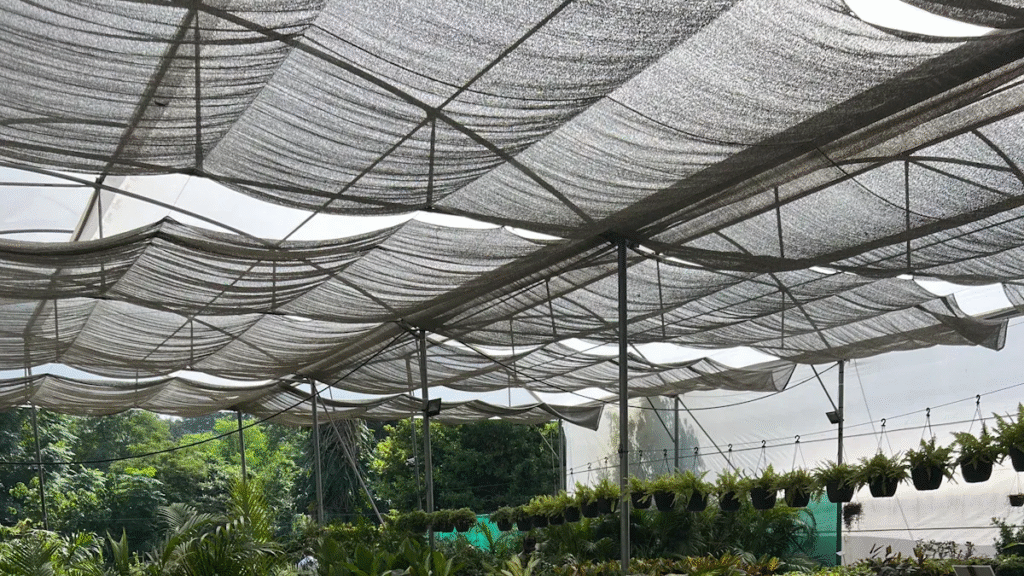
You can rely on sunshade nets to block harmful ultraviolet (UV) rays. These nets use high-density polyethylene (HDPE) and UV stabilizers to create a strong barrier against sunlight. Scientific studies show that sunshade nets reduce solar radiation by about 50%. They also change the light spectrum and improve the microclimate for plants and people. By blocking UV-B and UV-C rays, these nets protect you and your plants from sunburn and other damage. Different colors and shading rates let you choose the right level of protection for your needs. For example, black or green nets often provide higher UV blockage, while lighter colors may allow more light through.
Temperature Control
Sunshade nets help you manage temperature in outdoor spaces. By blocking a portion of sunlight, they lower air and surface temperatures. Research shows that shaded areas can be 3 to 8°C cooler than sun-exposed spots. The amount of cooling depends on the net’s density, color, and installation height. Higher shading rates block more sunlight and reduce heat, which protects plants from heat stress. You can select a shade rate that matches your climate and plant needs. For example, a 50% shade net blocks half the sunlight, making it ideal for hot summers or delicate crops. In cooler regions, a lower shade rate allows more warmth and light.
Tip: Adjust the shade rate based on the season and the type of plants you grow. Sun-loving plants need less shade, while shade-tolerant ones thrive under higher rates.
Airflow and Breathability
You benefit from the breathable design of sunshade nets. The mesh structure allows air to circulate freely, preventing heat buildup and keeping outdoor spaces comfortable. This airflow helps regulate temperature and humidity, which is important for both people and plants. Unlike solid covers, mesh nets do not trap moisture. They help reduce the risk of mold and plant diseases by allowing moisture to evaporate. Proper installation, such as elevating and tensioning the net, improves ventilation even more. Many gardeners notice fewer humidity-related problems and healthier plants when using shade nets instead of plastic films.
- Mesh fabrics dry quickly and resist odor.
- Air-permeable nets keep patios, greenhouses, and gardens cool.
- Good airflow reduces fungal attacks on plants.
Versatility
Sunshade nets adapt to many uses in residential, agricultural, and commercial settings. You can install them over patios, pergolas, greenhouses, gardens, carports, and even outdoor dining areas. Their lightweight and flexible design makes them easy to fit into different spaces. You can also use them as privacy screens or windbreaks. The variety of colors, shapes, and shading rates lets you match the net to your environment and style.
| Setting | Common Applications of Sunshade Nets |
|---|---|
| Wohnen | – Shade sails in gardens and patios – Carports and parking lots – Privacy screens – Windbreaks |
| Agricultural | – Crop protection – Greenhouse shading – Nursery and seedling shade |
| Kommerziell | – Outdoor dining areas – Building exterior shading – Energy efficiency improvements |
Compared to awnings or pergolas, sunshade nets offer more flexibility and lower costs. You can install them yourself and move or adjust them as needed. They also come in many designs to suit your taste.
Cost-Effectiveness
Sunshade nets provide an affordable way to create shade and protect against UV rays. Standard HDPE nets cost between $0.12 and $0.95 per square meter, depending on quality and features. This price is much lower than most permanent structures. The lifespan of these nets ranges from 3 to 10 years or more, especially if you choose high-quality materials with UV stabilizers. Regular care, such as cleaning and checking for damage, helps extend their life. Over time, you save money because you do not need to replace them often.
| Sunshade Net Type / Feature | Shading Rate | Price Range (USD per m²) |
|---|---|---|
| Standard HDPE Agricultural Shade Nets | 50% – 90% | 0.12 – 0.15 |
| Higher-end Sunshade Nets (reinforced, UV protection) | Up to 95% | 0.30 – 0.95 |
Note: Longer-lasting nets reduce replacement costs and maintenance, making them a smart investment for long-term use.
Cons of Sunshade Nets
Reduced Sunlight
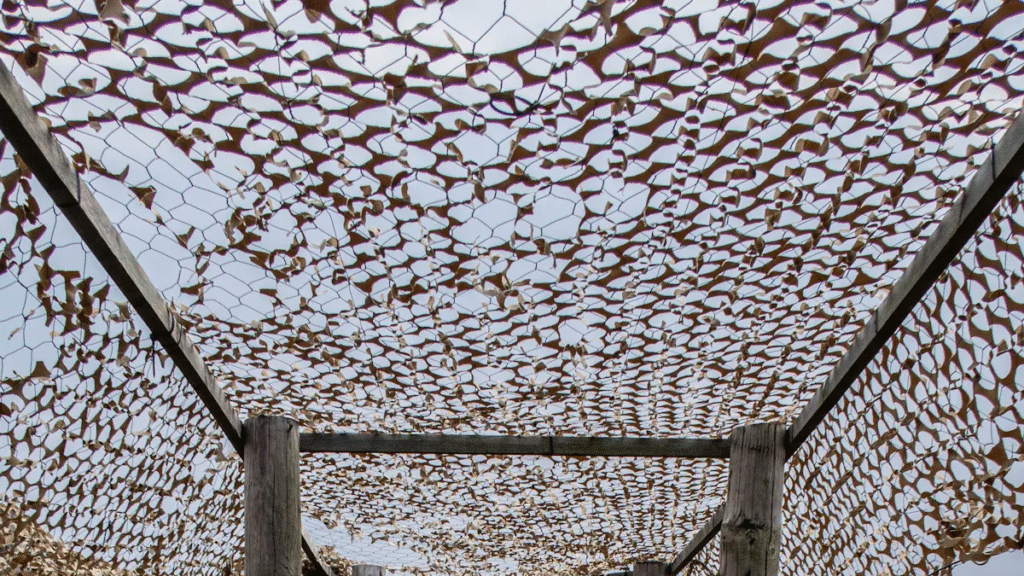
When you use sunshade nets, you must balance the amount of sunlight your plants receive. Too much shading can limit photosynthesis and slow plant growth. The shading percentage of your net matters a lot:
- Low shade nets (30-50%) let most sunlight through. These work well for sun-loving plants and help prevent overheating.
- Medium shade nets (50-70%) block more sunlight. They lower temperatures by 15-20°F and help heat-sensitive crops.
- High shade nets (70-90%) block most sunlight. These create cool, controlled spaces for shade-loving plants but may limit growth for crops that need more sun.
- Black shade nets block about 55-60% of sunlight. They absorb heat and provide heavy shade, which can trap warmth under the net.
A scientific study on Australian blush pears found that higher shade factors (30%, 50%, 80%) led to a sharp drop in sunlight reaching the plants. Plots without nets received the most sunlight and produced better fruit color and quality. If you choose a net with too high a shade factor, you risk reducing fruit growth and quality.
Tip: Always match the shading percentage to your plant’s needs. Too much shade can delay ripening, reduce yield, and affect the taste and appearance of fruits and vegetables.
Shading also changes the way plants grow. You may notice:
- Lower yields and poorer grain quality.
- Changes in plant shape, such as shorter stems and more side branches.
- Delayed flowering and slower fruit ripening.
- Higher humidity under the ne can sometimes lead to disease.
The effects depend on the crop, the amount of shade, and your local climate. You must choose carefully to avoid harming your plants.
Installation Challenges
Setting up sunshade nets can be tricky, especially if you want a long-lasting and stable result. Many users report these common problems:
- Sagging nets happen when you do not pull the net tight enough or when the material stretches over time. You need to adjust the tension regularly.
- Weak fixing points can cause the net to fall or tear. Always use strong anchors that match your surface.
- Water pooling occurs if you do not install the net at a proper angle. A slope of at least 20 degrees helps water run off and prevents damage.
- Hardware can rust or break due to weather. You must check and replace parts as needed.
To install your net correctly, you should:
- Pick the right anchors for your surface.
- Cut the net to fit and secure it with clamps or staples.
- Pull the net tight, but not too tight, to avoid sagging.
- Check all anchor points for strength.
- Remove sharp edges and weak spots.
- Inspect your setup often, especially after storms or heavy use.
Proper installation means measuring carefully, using sturdy frames, and attaching the net evenly. Sturdy poles or stakes help the net stand up to wind and rain. If you use knitted nets, you can fit them to odd shapes and spaces, which makes the setup easier. Still, you need to check your work to avoid problems later.
Wartungsbedarf
Sunshade nets need regular care to last. You should clean them often to remove dirt and leaves. Inspect the net for holes or tears, and fix any damage quickly. When you take the net down, roll it up and store it in a dry, cool place.
Environmental factors affect how much maintenance your net needs. In areas with strong sun, UV rays can break down the material faster. Heavy rain or wind can also shorten the net’s life. With good care, nets made from UV-stabilized HDPE can last 3 to 10 years.
Compared to other shading options, sunshade nets require moderate maintenance. Here’s how they compare:
| Material | Durability/Lifespan | Wartungsbedarf |
|---|---|---|
| Sunshade Nets | 1-5 years (standard), 3-10 years (specialized) | Moderate; less than fabric and wood |
| Fabric | Lower, frequent replacement | Must remove in bad weather; higher than the nets |
| Wood | Less durable than metal or vinyl | Needs staining, cleaning, repairs, pest risk |
| Metal | Very durable; corrosion-resistant | Regular checks; repairs can be hard |
| Vinyl | Highly durable, pest-resistant | Minimal; lasts a lifetime |
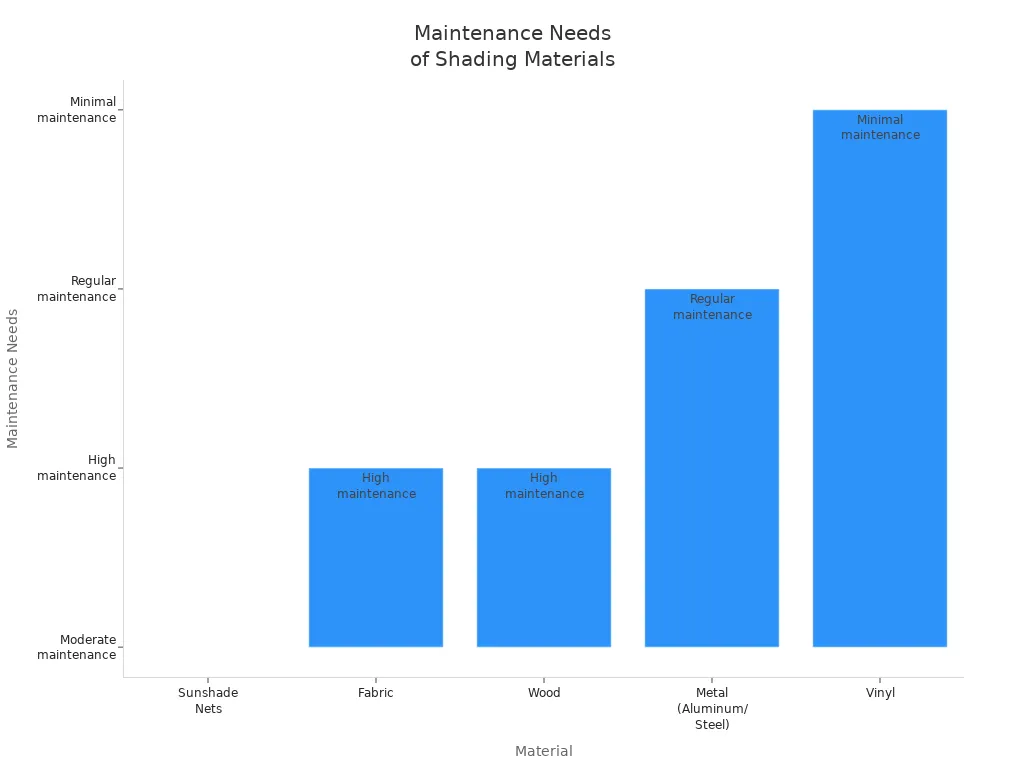
Note: Regular cleaning and inspection help you avoid bigger problems and extend the life of your net.
Durability Limits
Sunshade nets do not last forever. Most HDPE nets last about 3 to 5 years on average, but with perfect care, some can last up to 10 years. Several factors can shorten their lifespan:
- UV rays and pollution slowly weaken the fabric.
- Strong winds and heavy rain can tear or stretch the net.
- Poor installation, such as weak anchors or loose tension, leads to sagging and early failure.
- If you do not check and adjust the net often, small problems can become big ones.
A scientific study found that thermal oxidation and stress at anchor points cause the most damage over time. These effects break down the material and lead to holes or tears. You can slow this process by choosing nets with UV protection and by installing them properly.
Aesthetic Impact
Sunshade nets change the look of your outdoor space. Some people like the modern, sleek style of shade sails, which use curved designs to stay tight and stable. These nets come in many colors and shapes, so you can match them to your home or garden.
Landscape experts say that well-designed nets do more than block the sun. They can make your patio or garden look more inviting and comfortable. If you plan ahead and choose the right style, you can add beauty and function at the same time.
However, if you install the net poorly or pick a color that clashes with your surroundings, the net may look out of place. Nets that sag or tear quickly lose their appeal. You should always consider both function and appearance when choosing and installing your net.
When to Use Sunshade Nets
Best Applications
You get the most benefit from sunshade nets in places where you need to control sunlight and temperature. Greenhouses, shade-houses, and polytunnels use these nets to protect plants from too much sun, heat, cold, and even hail. You can also use them over patios, gardens, or outdoor seating to create cooler, more comfortable spaces. Horticultural studies show that using sunshade nets in these settings can boost crop yield by up to 17%. Black nets work well for ferns, orchids, lettuce, and spinach, especially in hot climates. Green nets suit plants that need some sunlight, like many vegetables and flowers. These nets also help reduce water loss and shield plants from wind.
When to Avoid
You should avoid using sunshade nets if your crops need a lot of sunlight or rely on bees for pollination. Nets can block bees and reduce fruit set in orchards. They also raise humidity, which may increase plant diseases. Heavy or tightly woven nets can make the air stuffy and harm crops like maize that need more light. In areas with strong winds or heavy rain, synthetic nets may tear or wear out quickly. Metal nets, while strong, block airflow and do not work well where ventilation matters. Always check your plant type and local weather before installing a net.
Decision Tips
To choose the right sunshade net, start by matching the shading rate to your needs. Use 30%-50% shading for most vegetables and fruit trees. Pick 70%-80% for flowers or very hot areas. Darker colors block more UV rays but let in less light. Lighter colors allow more natural light and can look better in some spaces. Measure your area carefully and use strong supports. Attach the net with zip ties or clips, and stretch it evenly. Clean and check your net often to keep it working well. If you want the best results, pick high-quality materials with UV protection.
Tip: Always consider your climate, plant needs, and how much sunlight you want before choosing a net.
You gain many benefits from using shade nets, such as UV protection, cooler temperatures, and a flexible design. However, you may face challenges with installation, maintenance, and reduced sunlight. Before you decide, consider these factors:
- Shading rate and UV blockage
- Service life and weight
- Color and fabric construction
- Size, shape, and installation security
- Accessories for easy setup
Choose the best option by matching these features to your climate, plants, and outdoor space.
FAQ
How do you choose the right shading rate for your plants?
You should match the shading rate to your plant’s sunlight needs. Use 30%-50% for most vegetables and fruit trees. Pick 70%-80% for shade-loving flowers or very hot areas. Always check your plant’s requirements before buying a net.
Can you install sunshade nets by yourself?
Yes, you can install sunshade nets on your own. Use strong anchors, stretch the net tightly, and secure it with zip ties or clips. For large areas, ask a friend for help. Always follow the manufacturer’s instructions for best results.
How long do sunshade nets last?
Most sunshade nets last 3 to 10 years. The lifespan depends on material quality, UV protection, and local weather. Regular cleaning and proper installation help extend the net’s life. Choose nets with UV stabilizers for longer durability.
Do sunshade nets affect plant growth?
Sunshade nets can help or harm plant growth. If you pick the right shading rate, your plants stay healthy and protected from heat. Too much shade can slow growth and reduce yields. Always match the net to your plant’s needs.
How do you clean and maintain sunshade nets?
- Remove leaves and dirt with a soft brush or hose.
- Check for holes or tears and repair them quickly.
- Store the net in a dry, cool place when not in use.
- Clean regularly to prevent mold and extend the net’s life.
 German
  English
  French
  Japanese
  Spanish
  Russian