
Setting up a shade net can cost anywhere from $75 for a small structure to $30,000 for a larger, more permanent installation. The total expense depends on several factors, including the net’s size, material quality, and labor requirements. Market research shows that regional pricing strategies and project economics also play a role in cost variability.
Principales conclusiones
- Think about the size of your shade net. Bigger nets cost more because they need more materials and work. Decide what you need to balance cost and usefulness.
- Pick the right materials. HDPE nets are strong and cheaper. For long-term use, polypropylene nets might be worth the higher price.
- Look at installation choices. Doing it yourself is cheaper for easy setups. Hiring experts is better for tricky designs. Always check prices to get the best offer.
Key factors influencing the cost of a shade net
Size and dimensions of the shade net
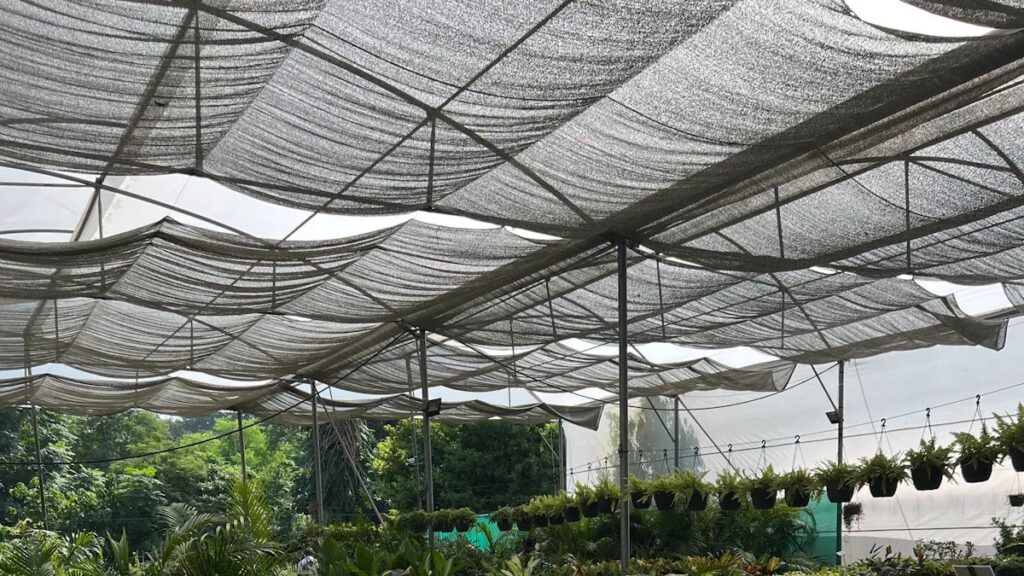
The size of the shade net plays a significant role in determining its overall cost. Larger installations require more material, labor, and time, which increases expenses. For example, a small backyard shade net may cost as little as $75, while a commercial-grade structure spanning several acres can reach up to $30,000. You should carefully assess your needs and choose dimensions that balance functionality and budget.
A market study highlights cost variations based on structure type and location. Below is a table summarizing the cost per square meter for different types of shade net installations:
| Structure Type | Cost per Square Meter (Rs) | Cost for Hilly States (Rs) |
|---|---|---|
| Bamboo Poly House | 450 | 518 |
| Tubular Shade Net House | 710 | 816 |
| Wooden Shade Net House | 492 | 566 |
| Bamboo Shade Net House | 360 | 414 |
| Plastic Tunnel | 60 | 75 |
| Walk-in Tunnel | 600 | N/A |
| Anti-Bird / Anti-Hail Nets | 35 | N/A |
This data underscores the importance of considering regional factors when budgeting for your shade net project.
Material type and quality
The type and quality of materials used for shade nets significantly impact costs. High-density polyethylene (HDPE) nets are popular due to their UV resistance and durability, offering a medium-to-high cost option. Polypropylene nets, while more expensive, provide enhanced mechanical properties and a longer lifespan, making them ideal for large-scale or high-value agricultural projects.
Polyethylene nets are often favored for their cost-effectiveness and ease of installation, especially for small-to-medium-sized farms. On the other hand, polypropylene nets appeal to growers who prioritize performance and durability over initial costs.
| Tipo de material | Cost Classification | Características principales |
|---|---|---|
| HDPE | Medium to High | UV resistance, durability |
| Polypropylene | Higher | Enhanced mechanical properties, longer lifespan |
Consejo: If you’re working with a limited budget, consider HDPE nets for their balance of affordability and durability. For long-term investments, polypropylene nets may offer better value despite their higher upfront cost.
Labor and installation costs
Labor and installation expenses vary depending on the complexity of the shade net structure. Simple DIY installations can save you money, but larger or more intricate designs often require professional assistance. Hiring skilled labor ensures proper installation, reducing the risk of damage or inefficiency.
For large-scale projects, additional costs may arise from constructing infrastructure such as labor quarters or storage rooms. For instance, labor quarters cost approximately Rs 20,000 per acre, while civil infrastructure like packhouses can cost Rs 400,000 for a 9 x 6-meter space.
This chart illustrates how labor and installation costs can vary based on location and project scale.
Additional features and customizations
Customizations such as anti-bird nets, anti-hail nets, or specialized planting materials can add to the overall cost. For example, anti-bird nets cost Rs 35 per square meter, while high-value planting materials like orchids and anthuriums can cost Rs 700 per unit. These features enhance functionality but require careful budgeting.
You should evaluate whether these add-ons align with your project goals. While they may increase upfront costs, they often provide long-term benefits, such as improved crop protection and yield.
Nota: Customizations should be prioritized based on your specific needs. Avoid overspending on features that may not significantly impact your project’s success.
Detailed cost breakdown for shade net setup
Material costs and price ranges
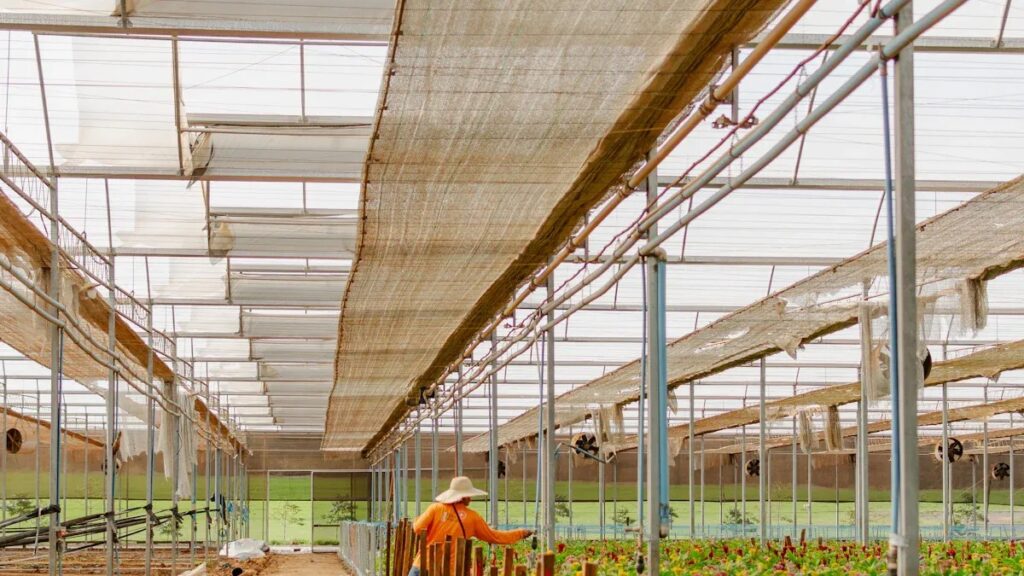
The cost of materials forms a significant portion of your shade net setup budget. The type of material you choose directly impacts the overall expense and the structure’s durability. High-density polyethylene (HDPE) nets are among the most popular options due to their affordability and UV resistance. These nets typically cost between $0.50 and $1.50 per square foot, depending on the density and quality.
For projects requiring enhanced durability, polypropylene nets are a premium choice. These nets can cost anywhere from $1.50 to $3.00 per square foot. While they are more expensive, their longer lifespan and superior mechanical properties make them a worthwhile investment for large-scale agricultural or commercial applications.
You should also consider the cost of support structures, such as poles and frames. Steel or aluminum frames are durable but can add $5 to $15 per linear foot to your budget. Bamboo or wooden frames are more affordable, costing $2 to $5 per linear foot, but may require more frequent maintenance.
| Tipo de material | Price Range (per sq. ft.) | Características principales |
|---|---|---|
| HDPE Nets | $0.50 – $1.50 | UV resistance, cost-effective |
| Polypropylene Nets | $1.50 – $3.00 | Durable, long-lasting |
| Steel/Aluminum Frames | $5 – $15 (per linear ft.) | High strength, weather-resistant |
| Bamboo/Wooden Frames | $2 – $5 (per linear ft.) | Affordable, eco-friendly |
Consejo: If you’re working with a tight budget, opt for HDPE nets and bamboo frames. For long-term projects, investing in polypropylene nets and steel frames can save you money on replacements.
Labor and installation expenses
Labor and installation costs vary based on the complexity of your shade net structure. For small, simple setups, you can save money by opting for a DIY approach. However, larger or more intricate designs often require professional installation. Hiring skilled labor ensures proper assembly, which reduces the risk of structural issues.
Professional installation services typically charge $1 to $3 per square foot for basic setups. For more complex projects, such as those requiring custom designs or additional infrastructure, labor costs can rise to $5 per square foot or more. If your project involves constructing additional facilities like storage rooms or irrigation systems, these costs will add to your budget.
| Installation Type | Cost (per sq. ft.) | Notes |
|---|---|---|
| DIY Installation | Minimal | Suitable for small, simple setups |
| Professional Installation | $1 – $3 | Basic setups |
| Complex Installations | $5+ | Includes custom designs, add-ons |
Nota: Always compare quotes from multiple contractors to ensure you’re getting the best value for your money.
Maintenance and other ongoing costs
After installation, maintaining your shade net is crucial to ensure its longevity and effectiveness. Regular cleaning and inspections help prevent damage from dirt, debris, or weather conditions. For HDPE nets, you should budget around $50 to $100 annually for cleaning and minor repairs. Polypropylene nets, while more durable, may still require occasional maintenance, costing $100 to $200 per year.
If your shade net includes additional features like irrigation systems or anti-bird nets, these components may also require upkeep. For example, replacing damaged anti-bird nets can cost $0.30 to $0.50 per square foot. Irrigation system maintenance, including cleaning and part replacements, may cost $200 to $500 annually, depending on the system’s complexity.
| Maintenance Item | Annual Cost | Notes |
|---|---|---|
| HDPE Net Maintenance | $50 – $100 | Cleaning, minor repairs |
| Polypropylene Net Maintenance | $100 – $200 | Less frequent but higher cost |
| Anti-Bird Net Replacement | $0.30 – $0.50/sq. Ft. | Según sea necesario |
| Irrigation System Upkeep | $200 – $500 | Cleaning, part replacements |
Reminder: Regular maintenance not only extends the lifespan of your shade net but also ensures optimal performance, saving you money in the long run.
Practical tips to save money on shade net installation
Selecting affordable yet durable materials
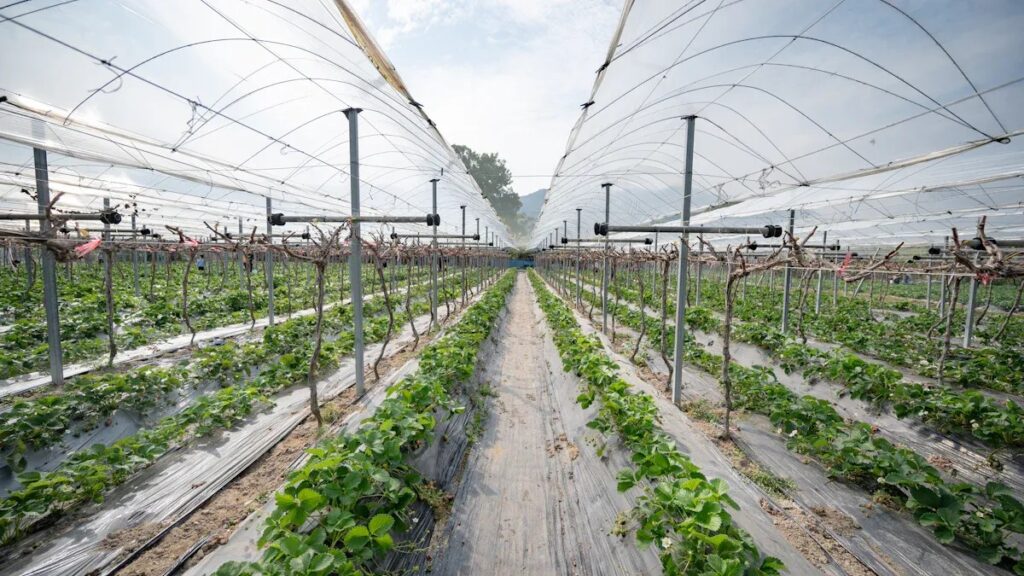
Choosing the right materials can significantly reduce your expenses without compromising quality. High-density polyethylene (HDPE) nets offer an excellent balance between cost and durability. These nets resist UV rays and last for years, making them a popular choice for budget-conscious buyers. Bamboo or wooden frames are also cost-effective alternatives to steel or aluminum, though they may require more frequent maintenance.
When selecting materials, prioritize those that meet your specific needs. For instance, if you need a temporary structure, lightweight and affordable options like plastic or bamboo may suffice. For long-term projects, investing in durable materials like polypropylene nets and steel frames can save you money on replacements and repairs.
Consejo: Always compare material prices from multiple suppliers to find the best deals. Bulk purchases often come with discounts, further reducing costs.
DIY installation vs. hiring professionals
Deciding between DIY installation and hiring professionals depends on your budget and the complexity of your project. DIY installations are ideal for small, simple setups and can save you money on labor costs. For example, installing a shade net yourself may cost between $40 and $120 per window. However, professional installation ensures proper assembly, especially for larger or more intricate designs. Professionals typically charge $15 to $50 for labor per window, with total costs ranging from $140 to $400 for a home setup.
| Installation Method | Cost per Window |
|---|---|
| DIY | $40 – $120 |
| Professional | $15 – $50 (labor) + $140 – $400 (total for home) |
Nota: If you choose the DIY route, ensure you have the necessary tools and skills to avoid costly mistakes. For complex projects, hiring professionals may be a safer and more efficient option.
Comparing quotes and negotiating with suppliers
Obtaining multiple quotes from suppliers and contractors is essential for staying within your budget. Prices can vary significantly between vendors, so take the time to compare options. When negotiating, highlight your willingness to purchase in bulk or commit to future projects. Many suppliers offer discounts for large orders or repeat customers.
Additionally, inquire about package deals that include materials, installation, and maintenance. Bundling services can often result in significant savings.
Setting up a shade net involves several cost factors, including size, materials, labor, and customizations. Careful planning and budgeting help you manage expenses effectively. Exploring cost-saving options, such as comparing quotes or choosing durable materials, ensures long-term value.
Consejo profesional: Consult professionals or request tailored quotes to make informed decisions and maximize your investment.
 Spanish
  English
  German
  French
  Japanese
  Russian