
Shade net cloth is a versatile material often used for shading and temperature control. However, it is not inherently waterproof. The design and material composition allow some water to pass through, making it unsuitable for complete rain protection. In certain cases, you may notice limited water resistance, depending on how the netting is woven or treated. While it can shield you from sunlight and reduce heat, its performance in wet conditions remains limited. Understanding its properties helps you make informed decisions for outdoor use.
Principales conclusiones
- Shade net cloth isn’t waterproof; water can pass through it. It’s not good for heavy rain protection.
- Polyethylene shade nets resist water better than polyamide ones.
- Install shade nets at a slant to help water flow off. This stops pooling and prevents damage.
- You can add waterproof coatings to make shade nets work better in wet weather.
- Clean and check your shade net often to make it last longer.
Material Properties of Shade Net Cloth
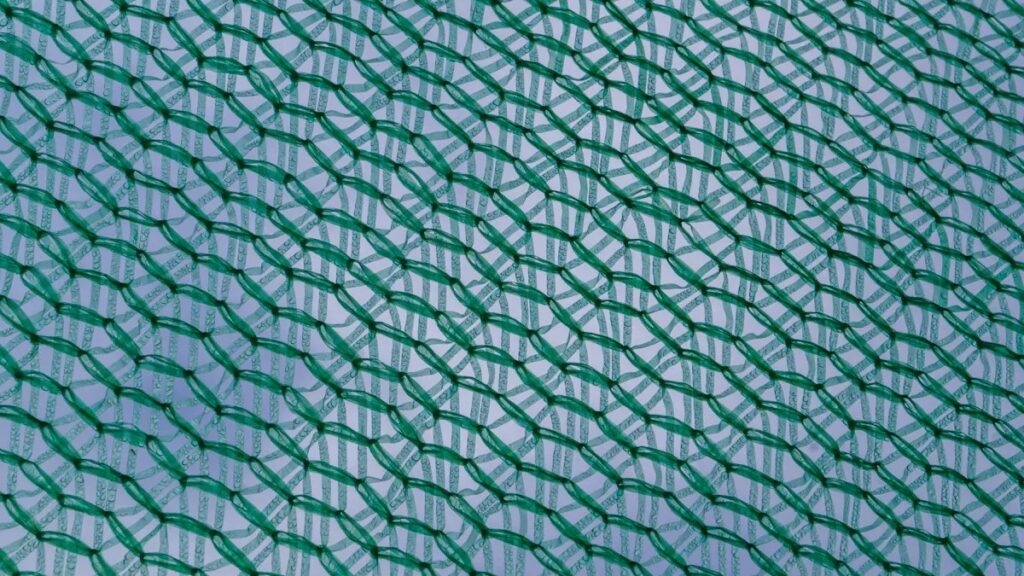
Common materials used in shade net cloth
Shade net cloth relies on specific materials to achieve its primary functions of shading and airflow. You’ll often encounter knitted or woven fabrics as the most common options. These materials are not waterproof but are designed to be water-resistant. Their open structure allows water to pass through rather than absorb it, ensuring the netting remains lightweight even during rainfall.
Manufacturers typically use synthetic fibers like polyethylene (PE) and polypropylene (PP) for shade net production. These fibers offer durability and UV protection, making them ideal for outdoor applications. Some shade nets may include water-repellent treatments, but their primary purpose remains focused on airflow and temperature control rather than complete rain protection.
Consejo: When selecting a shade net, consider its material composition to match your specific needs, whether for shading, UV protection, or limited water resistance.
How material design affects water resistance
The design of shade net cloth plays a significant role in its water resistance. Different twine materials influence how water interacts with the netting. For instance, PA (polyamide) netting exhibits better water absorption properties, resulting in lower water resistance. In contrast, PE netting has a higher drag coefficient, making it less permeable to water flow.
Weave patterns also impact water resistance. Braided designs create smaller interstice sizes, reducing water flow compared to twisted patterns. Experimental data shows a 14.6% difference in drag coefficients between these two weave types. This variation highlights how material design can either enhance or limit water resistance, depending on the intended application.
When choosing a shade net, you should evaluate both the material and weave pattern to ensure it aligns with your outdoor requirements. A tightly woven net may offer better rain protection, but it could compromise airflow, which is essential for temperature regulation.
Waterproof vs. Water-Resistant Shade Net Cloth
Key differences between waterproof and water-resistant
When evaluating shade net options, understanding the distinction between waterproof and water-resistant materials is crucial. Waterproof materials completely block water from passing through, even under pressure. In contrast, water-resistant materials allow some water to penetrate, especially during heavy or prolonged exposure. This difference stems from the material’s structure and any additional treatments applied.
For example, waterproof materials often undergo specialized treatments like resin coatings or lamination. These processes create a barrier that resists water penetration under hydrostatic pressure. Tests like the Hydrostatic Head Test measure this resistance, with higher pressure ratings indicating better waterproof performance. On the other hand, water-resistant materials rely on their weave pattern or surface tension to repel water to a limited extent. They perform well in light rain but fail under intense conditions.
The table below highlights the performance differences between various materials used in shade net applications:
| Fabric Type | Absorbance (%) | Reflectance (%) | Transparency (%) |
|---|---|---|---|
| Microporous Battery Separator Film | 1.5 | 94.8 | 3.7 |
| Polyethylene Agricultural 50% Shade Film | >80 (at <0.4 microns) | 10 | 1 |
| White Polyethylene Agricultural Film (6 layers) | 14.7 | 76.2 | 9.1 |
| White Knit Agricultural Net (4 layers) | 27.5 | 76.1 | 11.5 |
This data demonstrates how material composition and layering influence water resistance and transparency. For instance, polyethylene films offer better water resistance compared to knit agricultural nets, which have higher absorbance rates.
Nota: If you need complete rain protection, opt for waterproof materials. Water-resistant shade nets are better suited for areas with minimal rainfall.
How shade net cloth performs in wet conditions.
Shade net cloth is primarily designed for shading and airflow, not for water resistance. Its performance in wet conditions depends on the material and weave pattern. Polyethylene-based shade nets, for instance, repel water better than polyamide ones due to their lower absorbance rates. However, even the best shade nets cannot withstand heavy or prolonged rainfall without allowing water to seep through.
Recent studies have shown that untreated shade net fibers degrade faster in wet environments. After 60 days of exposure, untreated fibers lose 63.2% of their tensile strength. In contrast, resin-treated fibers maintain their durability, with an average tensile strength of 0.964 N/m² after 120 days. This highlights the importance of material treatments in enhancing the longevity of shade nets in wet conditions.
Testing methods like ASTM D6904 and wind-driven rain resistance evaluations further reveal the limitations of shade nets. These tests assess how well materials resist water penetration under simulated rain and wind conditions. While shade nets may provide partial protection during light rain, they are not suitable for areas prone to heavy downpours.
Consejo: To improve the performance of your shade net in wet conditions, consider applying a waterproof coating or combining it with waterproof materials.
Can Shade Net Cloth Protect Against Rain?
Situations where shade net cloth offers partial rain protectio.n
Shade net cloth can provide limited rain protection in specific scenarios. Its design allows it to act as a barrier against light drizzles or short bursts of rain. The woven or knitted structure of the material enables water to pass through slowly, reducing the impact of rainfall on the area beneath. This feature makes it suitable for protecting delicate plants, outdoor furniture, or equipment from minor water exposure.
You might find shade nets particularly useful in regions with sporadic or mild rainfall. For instance, they can shield plants from excessive moisture that could lead to fungal growth. Additionally, they help maintain airflow, preventing heat buildup under the covered area. When installed at an angle, the netting can direct water runoff away from sensitive areas, offering better protection.
Consejo: To maximize rain protection, install the shade net at a slope. This setup encourages water to flow off the surface instead of pooling.
Limitations in heavy or prolonged rainfall
While shade net cloth offers some protection during light rain, it falls short in heavy or extended downpours. The open weave design, which promotes airflow and temperature regulation, also allows significant amounts of water to pass through. During intense rainfall, the netting cannot prevent water from soaking the area underneath.
Prolonged exposure to rain can also weaken the material over time. Untreated shade nets may lose their tensile strength, leading to sagging or tearing. In addition, water pooling on the surface can increase the weight on the net, causing structural strain. These limitations make shade nets unsuitable for areas prone to frequent or heavy rainfall.
If you require a more robust solution, consider combining the shade net with waterproof materials. For example, placing a waterproof tarp beneath the net can provide additional rain protection while retaining the benefits of shading and airflow.
Nota: Regularly inspect your shade net for signs of wear and tear, especially after heavy rain. Prompt maintenance can extend its lifespan and ensure optimal performance.
Alternatives for Waterproofing Shade Net Cloth
Waterproof coatings and sprays
Applying waterproof coatings or sprays is one of the simplest ways to enhance the water resistance of a shade net. These products create a thin, protective layer on the surface of the material, preventing water from seeping through. Silicone-based sprays and polyurethane coatings are popular choices due to their durability and ease of application. You can apply these treatments directly to the shade net using a spray bottle or brush, ensuring even coverage for optimal results.
Studies have shown that resin-treated fibers significantly improve water resistance and durability. For instance, fibers treated with a single layer of resin maintained their tensile strength for up to 120 days. However, two-layer resin treatments, while initially more effective, showed reduced viability after 90 days. This suggests that a single-layer application may offer a better balance between performance and longevity.
Consejo: Reapply waterproof coatings periodically to maintain their effectiveness, especially after prolonged exposure to rain or sunlight.
Combining shade net cloth with waterproof materials
Pairing a shade net with waterproof materials provides a practical solution for areas prone to heavy rainfall. For example, you can install a waterproof tarp or plastic sheet beneath the shade net. This combination allows you to enjoy the shading and airflow benefits of the net while ensuring complete rain protection.
Another effective approach involves layering. Placing a polyethylene film or resin-coated fabric over the shade net can enhance its water resistance without compromising its primary functions. According to research, untreated fibers have an average tensile strength of 1.312 N/m², while single-layer resin treatments reduce this to 0.964 N/m². Despite this reduction, the added water resistance makes it a worthwhile trade-off for many outdoor applications.
Nota: Ensure proper installation to prevent water pooling, which can strain the materials and reduce their lifespan.
Other waterproof solutions for outdoor use
If you need a more robust waterproofing solution, consider alternatives like retractable awnings, pergolas with waterproof covers, or polycarbonate roofing. These options provide reliable rain protection while maintaining an aesthetically pleasing outdoor space. For temporary setups, pop-up canopies or tents with waterproof fabric can serve as a quick and effective solution.
For agricultural purposes, greenhouse films made from polyethylene offer excellent water resistance and UV protection. These films are particularly useful for protecting crops from excessive moisture and sunlight. While they lack the airflow benefits of a shade net, their waterproof properties make them ideal for regions with frequent rainfall.
Consejo: Evaluate your specific needs and environmental conditions before selecting a waterproofing solution. This ensures you choose the most effective and cost-efficient option.
Practical Tips for Using Shade Net Cloth Outdoors
Best practices for installation and use
Proper installation of a shade net ensures optimal performance and longevity. Begin by selecting a location with adequate sunlight exposure and measure the area to determine the required net size. Use stainless steel screws or other durable fasteners to secure the net tightly, preventing movement during strong winds. Installing the net at a slight angle allows rainwater to flow off, reducing the risk of pooling and material strain.
Suspended shade covers have proven effective in reducing evaporation rates by up to 90%, as demonstrated in studies conducted in Australia and Spain. This technique also enhances durability under field conditions. For agricultural applications, ensure the net covers crops completely while allowing sufficient airflow, light, and water access. In greenhouses, consider using external shading cloths or movable screens to regulate temperature and reduce irrigation needs in arid climates.
When choosing a shade net, prioritize strength and weave quality. A fine weave balances shading and airflow without compromising durability. Neutral colors, such as white or beige, blend well with outdoor aesthetics and reflect heat effectively. For added heat management, install fans beneath the net to prevent heat buildup in enclosed spaces.
Consejo: Regularly inspect the installation for gaps or loose fittings to avoid accidents and maintain structural integrity.
Maintenance tips to prevent damage and extend lifespan
Routine maintenance significantly extends the lifespan of your shade net. Clean the net at least once a year to remove dirt, debris, and mold that can weaken the material. Use a soft brush or low-pressure water spray to avoid damaging the fibers. Quarterly inspections help identify wear and tear, such as sagging or frayed edges, which should be addressed promptly.
Resin-treated nets offer enhanced durability, retaining tensile strength for up to 120 days in wet conditions. However, untreated nets degrade faster, losing up to 63% of their strength after prolonged exposure to moisture. To mitigate this, store the net in a dry, shaded area when not in use. Avoid overloading the net with heavy objects or allowing water to pool on its surface, as this can cause stretching or tearing.
Nota: Replace damaged sections immediately to prevent further deterioration and ensure consistent performance.
Shade net cloths are not waterproof, but their material and design can provide limited water resistance. They excel in shading and temperature control, making them ideal for outdoor use in mild weather. However, they cannot withstand heavy rain. For better rain protection, you can combine shade net cloth with waterproof materials or explore alternative solutions like tarps or polycarbonate roofing. Always assess your specific needs before choosing the right material to ensure it meets your requirements effectively.
 Spanish
  English
  German
  French
  Japanese
  Russian