
Shade nets are an essential tool for gardeners, growers, and homeowners looking to protect their plants and outdoor spaces from harsh weather conditions. These shade nets provide protective cover for gardens, soil, and outdoor areas, offering versatile solutions in both agricultural and outdoor settings. At MB Textiles, we specialize in high-quality shade nets designed to shield your garden from excessive sunlight, reduce heat in greenhouses, and create comfortable shaded areas on patios and playgrounds. Shade netting offers a versatile, effective solution for a wide range of applications. In this article, we will explore the benefits, types, applications, and tips for choosing the perfect shade nets to suit your needs.
What Are Shade Nets?

Shade nets, also known as shade netting or shade fabric, are specially designed materials made to protect from the sun’s intense rays while allowing adequate airflow and light penetration. These nets are widely used in agricultural settings, gardens, greenhouses, and commercial spaces to create an optimal environment for plant growth and outdoor comfort. To maximize shading effectiveness and ensure long-lasting durability, it is important to correctly position shade nets or fabric according to the specific needs of the environment. Made from durable materials, shade nets come in various colors, sizes, and densities, allowing customers to choose the perfect product that fits their specific application.
Benefits of Using Shade Nets
One of the primary benefits of shade nets is their ability to protect plants from excessive sunlight and UV radiation, which can cause heat stress and damage to foliage. By reducing the intensity of sunlight, shade cloth helps maintain a balanced temperature, promoting healthier plant growth. Additionally, shade nets provide protection against wind, rain, and other harsh weather conditions, which can negatively affect the health of plants and outdoor structures. With quality shade nets, you don’t need to worry about the netting unraveling or degrading over time, ensuring reliability and peace of mind.
For gardeners and growers, using shade nets can lead to improved crop yields and better quality produce by creating a controlled environment that reduces the risk of overheating and dehydration. In residential settings, shade sails and cart shade cloth are popular choices for adding shade to patios and playgrounds, enhancing comfort during the hot summer months.
Types of Shade Nets and Materials

Shade nets are available in a variety of types and materials to suit different needs. The most common materials include high-density polyethylene (HDPE) and knitted fabrics, which offer excellent durability and UV protection. These materials are designed to withstand prolonged exposure to the sun without degrading, ensuring long-lasting performance. Shade nets are manufactured through a knitting process, resulting in a durable and flexible fabric that can adapt to various applications. UV-stabilized materials not only extend the lifespan of shade nets but also reduce the time required for maintenance and replacement, making them a low-maintenance solution.
Shade nets come in various densities, typically ranging from 30% to 90% shade factor. Lower-density nets allow more light and heat to pass through, making them suitable for plants that require partial shading. Higher-density nets provide more substantial protection, ideal for sensitive plants or areas needing maximum shade. The percentage listed on shade cloth indicates the light diffusion percentage, helping users select the appropriate level of shading for their specific needs.
Colors also vary, with green, black, and white being the most popular choices. Each color affects the light spectrum differently, influencing plant growth and the overall temperature beneath the netting. For example, black shade cloth absorbs more heat, while white and reflective colors help keep the area cooler.
Applications of Shade Nets
Shade nets have a wide range of applications across different environments. In greenhouses, shade fabric is used to regulate temperature and light levels, creating ideal conditions for plant development. Additionally, shade nets act as a physical barrier against birds, large insects, strong winds, heavy rain, and hail, providing pest and weather protection. Garden centers often stock various types of shade nets to cater to the diverse needs of their customers, from hobbyist gardeners to commercial growers.
Outdoor spaces such as patios, playgrounds, and carports benefit from shade sails and carport shade cloth, which provide comfortable shaded areas and protect people and vehicles from sun damage. Shade sails also turn outdoor spaces into visually appealing areas, enhancing the overall aesthetic while offering practical benefits. Businesses that operate outdoor markets or events also use shade nets to create temporary shelters that improve customer experience.
When browsing shade net products online, customers can sort options by attributes such as material, percentage, or color to quickly find the most suitable product for their needs.
For more detailed information on the benefits of shade nets in agriculture, you can visit the Agricultural Shade Nets Guide by FAO. Additionally, Greenhouse Shade Nets Overview offers insights into different shading solutions, and The Shade Cloth Company provides a variety of products and installation tips.
How to Choose the Right Shade Net
Choosing the right shade net involves considering several factors, including the level of shade required, the size of the area to be covered, and the specific needs of the plants or space you want to protect. It’s important to select a shade fabric that offers a suitable balance between light filtration and protection, ensuring that plants receive enough sunlight without suffering from heat stress.
Installation is another crucial aspect. Shade nets should be easy to install and fit securely to withstand wind and weather conditions. Many products come with reinforced edges and UV-resistant material to enhance durability and longevity.
When searching for shade nets, it’s advisable to visit garden centers or browse online stock to discover a variety of options. You can also message suppliers or send an email to inquire about custom sizes, colors, or materials to perfectly fit your specific application. Placing your order in a timely manner is important to ensure prompt delivery, especially for custom orders. When estimating shipping times, remember that the day your order is shipped does not count as a transit day.
Tips for Maintaining and Using Shade Nets
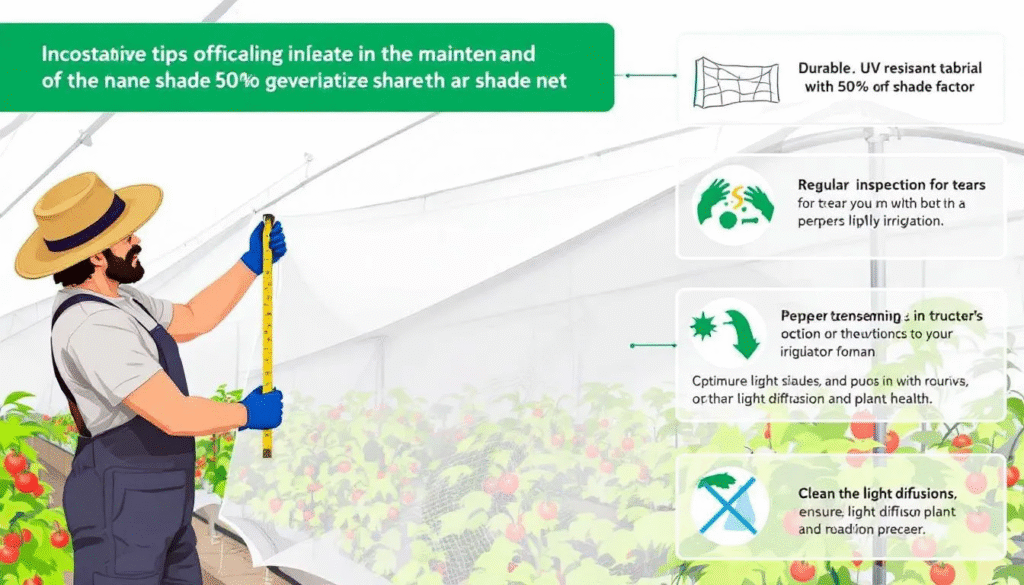
To maximize the benefits of shade nets, regular maintenance is essential. Keep the netting clean and free from debris to maintain airflow and light penetration. Regular cleaning extends the lifespan of shade products by maintaining their performance, ensuring they continue to provide effective protection. Inspect the material periodically for signs of wear or damage, especially after severe weather, and replace or repair as needed.
Using shade nets seasonally can help protect plants during the hottest months, particularly in summer when sunlight intensity and temperature are at their peak. However, some types of shade fabric are suitable for year-round use, providing ongoing protection against UV rays and heat.
Environmental Benefits of Shade
Shade netting and shade fabric offer significant environmental benefits for gardens, greenhouses, and outdoor spaces. By providing essential shade, these materials help create a balanced environment that supports healthy plant growth while making outdoor areas more comfortable for people and animals. Shade cloth and shade sails are especially valuable during the summer, as they help lower temperatures and reduce the risk of plants being scorched by intense sunlight.
One of the key environmental advantages of using shade netting is its ability to conserve water. By blocking excessive sunlight, shade fabric reduces evaporation from soil and plant surfaces, helping gardens and greenhouses retain moisture for longer periods. This means less frequent watering is needed, which is particularly important during dry spells or in regions where water is scarce. For growers and businesses, this translates to lower water bills and more sustainable gardening practices.
Shade netting also acts as a protective barrier against harsh weather conditions such as wind, rain, and sudden temperature changes. By shielding plants from these elements, shade cloth helps prevent damage and loss, ensuring that gardens and greenhouses remain productive and attractive throughout the season. This added protection is a major benefit for garden centers and businesses that rely on healthy stock and vibrant displays.
Durability is another important factor. Shade netting and shade fabric are made from high-quality materials designed to withstand the elements, making them a long-lasting solution for protecting plants and outdoor spaces. Installation is straightforward, and with a wide variety of colors, sizes, and densities available, it’s easy to find the perfect fit for any application—whether you’re covering a small patio or a large greenhouse.
Beyond environmental protection, shade netting supports optimal plant growth by filtering out excessive sunlight and preventing sunburn. This allows plants to photosynthesize efficiently without the risk of overheating, resulting in stronger, more resilient growth. For gardeners and commercial growers alike, this means healthier plants that are better equipped to resist disease and pests.
In summary, shade netting and shade fabric are essential tools for anyone looking to create a sustainable, healthy environment in their garden, greenhouse, or outdoor space. By conserving water, regulating temperature, and protecting plants from the elements, these materials offer a wide range of benefits for homeowners, gardeners, and businesses. With their durability, ease of installation, and variety of options, shade netting and shade fabric are the perfect choice for making your outdoor spaces thrive while supporting environmental sustainability.
Conclusion: Why Shade Nets Are Essential for Protecting Plants and Outdoor Spaces
Shade nets are a versatile and effective solution for protecting plants, outdoor spaces, and structures from the damaging effects of sun, heat, wind, and rain. By choosing the right type of shade netting, you can create a comfortable and healthy environment for your garden, greenhouse, patio, or business space. Whether you are a grower looking to enhance plant growth or a homeowner seeking to add shade to your outdoor areas, shade nets offer numerous benefits that make them an essential product for any season.
Discover the wide range of shade nets available at garden centers and online, and learn how to select and install the perfect shade fabric for your needs. With the right shade netting from MB Textiles, you can protect your plants and outdoor spaces effectively, ensuring they thrive throughout the year.
 Spanish
  English
  German
  French
  Japanese
  Russian