
If you want to protect your plants from harsh summer heat, a green net offers a practical solution. This net helps lower temperatures, blocks harmful UV rays, and keeps soil moist by reducing evaporation. You also create a cooler, more humid environment that supports healthy plant growth and prevents leaf damage.
- Green nets retain about 39% of solar radiation, reduce air temperature, and increase humidity.
- UV-resistant material stops leaf scorching and keeps pests away.
With a green net, you give your garden or outdoor space the best chance to thrive in the summer.
Principaux enseignements
- Green nets lower temperature and bloquent les rayons UV nocifs, creating a cooler, safer environment for plants and people.
- They help keep soil moist by reducing water evaporation, which supports stronger root growth and saves water.
- Green nets act as a barrier against pests and diseases, reducing the need for chemical pesticides and improving plant health.
- Choosing the right net density and proper installation ensures the best protection and cooling effect for your garden.
- Regular maintenance of green nets extends their life and keeps your plants protected throughout the summer.
Green Net Overview
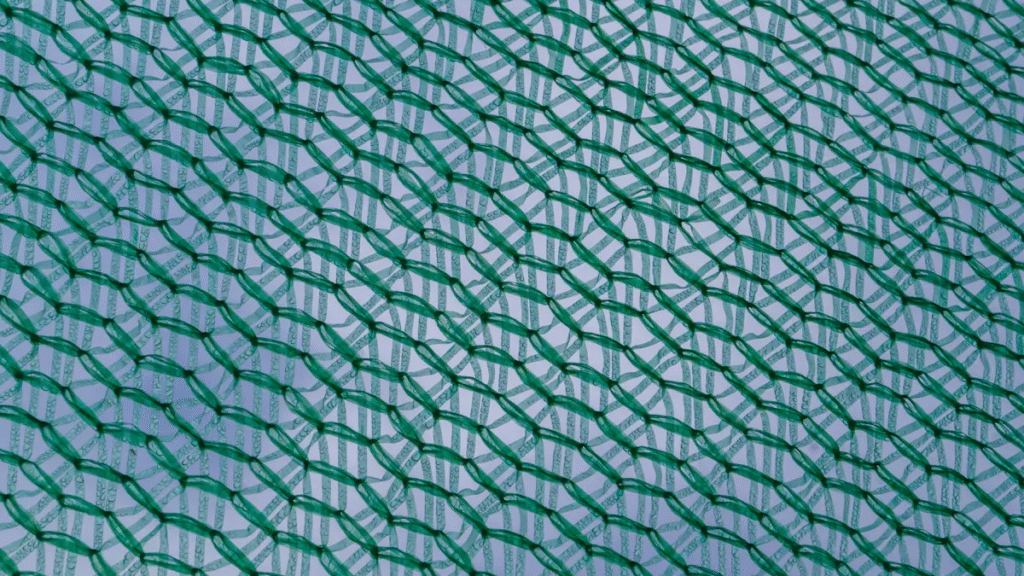
Materials and Types
You will find that most green nets use High-Density Polyethylene (HDPE) as the main material. HDPE stands out for its strength and long-lasting quality. This material resists damage from sunlight, chemicals, and harsh weather. You can rely on HDPE nets to protect your plants season after season. These nets also allow air to flow, which helps keep your garden cool and healthy. HDPE nets are lightweight, so you can install them easily in your yard, balcony, or farm.
Here are the main types of green net you might encounter:
| Type of Green Net | Material Composition | Features and Benefits |
|---|---|---|
| HDPE Plastic Monofilament Shade Net | Polyéthylène haute densité (PEHD) | Strong, resists UV rays, handles tough weather, lasts long |
| White & Green Tape x Tape Shade Net | White & Green Polyethylene mesh | Waterproof, lets in more light, mesh is reinforced for extra strength |
| Anti-Insect Net | Not specified | Shields plants from pests and wind, lowers disease risk, and supports healthy growth. |
| Balcony Green Nets | Polyester | Offers shade and privacy, blocks UV, lets air pass through, energy efficient, lasts 5-7 years |
| Waterproof Shade Nets | Polyester + Polythene layer | 100% dense, leak-proof, blocks all water, very durable |
| Agricultural HDPE Monofilament | Polyéthylène haute densité (PEHD) | High strength, chemica,l and UV resistant, stands up to harsh weather |
| Tape x Tape Shade Nets | White & Green Polyethylene mesh | Allows more light, mesh is strong, sometimes waterproof |
Tip: Choose the type that matches your needs—whether you want to block pests, keep out rain, or just provide shade.
Common Features
Most green nets share several helpful features. You get excellent UV protection, which keeps your plants safe from sunburn. The nets lower the temperature under the shade, making the environment cooler for both plants and people. Breathability is another key feature; air moves freely, so heat does not build up. You will also notice that these nets are easy to handle and install. Their lightweight design means you can move or adjust them without much effort.
- HDPE nets last a long time, even in strong sunlight.
- Many nets come in different densities, so you can pick how much shade you want.
- The nets work well in gardens, farms, balconies, and even construction sites.
You will see green nets used widely in hot regions, especially in Asia-Pacific countries like India and China. Farmers and gardeners in these areas trust green nets to protect crops and manage heat during the summer.
Green Net Benefits
Temperature Reduction
You can use a green net to create a cooler environment for your plants during the hottest months. By absorbing some sunlight and providing moderate shading, green nets help reduce temperature stress in gardens and greenhouses. This shading effect lowers the amount of direct solar radiation and heat buildup. While green nets do not cool as much as white shade cloths, they still offer a noticeable drop in temperature under the net. You may notice that your plants look less wilted and more vibrant, even during peak summer heat. In outdoor living spaces, such as patios or balconies, installing a green net can make the area more comfortable for you and your family.
Tip: Choose a net with the right density for your needs. Higher density nets block more sunlight and provide greater cooling.
Protection UV
A green net blocks about 70-80% of sunlight, including harmful ultraviolet rays. This protection shields your plants from damage like slowed growth or leaf discoloration. The net’s material, usually HDPE with built-in UV resistance, ensures that your plants receive enough light for photosynthesis while avoiding the harsh effects of direct sun. The green color allows green light to pass through, which supports healthy growth in the lower leaves. You can rely on this balance to keep your garden thriving. In outdoor seating areas, a green net also protects your skin from UV exposure, making your summer gatherings safer and more enjoyable.
Moisture Retention
- Green nets reduce sunlight intensity on the soil, which limits water loss through evaporation.
- The cooler microclimate under the net slows down how quickly water leaves the soil.
- Consistent soil moisture helps roots grow deeper and stronger.
Lorsque vous combine a green net with mulching or water-saving techniques, you improve soil moisture even more. This approach keeps your plants hydrated and reduces how often you need to water, saving time and resources. In uncovered gardens, soil dries out quickly, but under a green net, you maintain steady moisture levels throughout the summer.
Pest and Disease Barrier
You can use a green net as a physical barrier against common summer pests. Fine-mesh nets block insects like the spotted wing drosophila, which often damage fruits and vegetables. Studies show that mesh sizes around 0.85 mm by 1.4 mm can significantly reduce pest infestations and improve crop quality. The net also helps control weeds and limits contact between pests and plants. By creating a stable, humid environment, the green net lowers plant stress and reduces the risk of disease outbreaks. This method supports sustainable gardening because you rely less on chemical pesticides.
Light Diffusion
- Green nets diffuse sunlight, spreading it evenly over your plants.
- Even light distribution prevents leaf burn and reduces plant stress.
- Diffused light supports photosynthesis in all parts of the plant, not just the top leaves.
- The cooler, shaded environment helps maintain healthy plant metabolism and boosts yields.
- Balanced light and temperature also slow down water evaporation, supporting growth.
You can see these benefits in both home gardens and public spaces. For example, vertical plant walls at Singapore’s Changi Airport use green net technology to regulate temperature and create a lush, calming environment. On your balcony or patio, a green net can turn a sunny corner into a cool, private retreat filled with healthy plants.
How Green Net Works
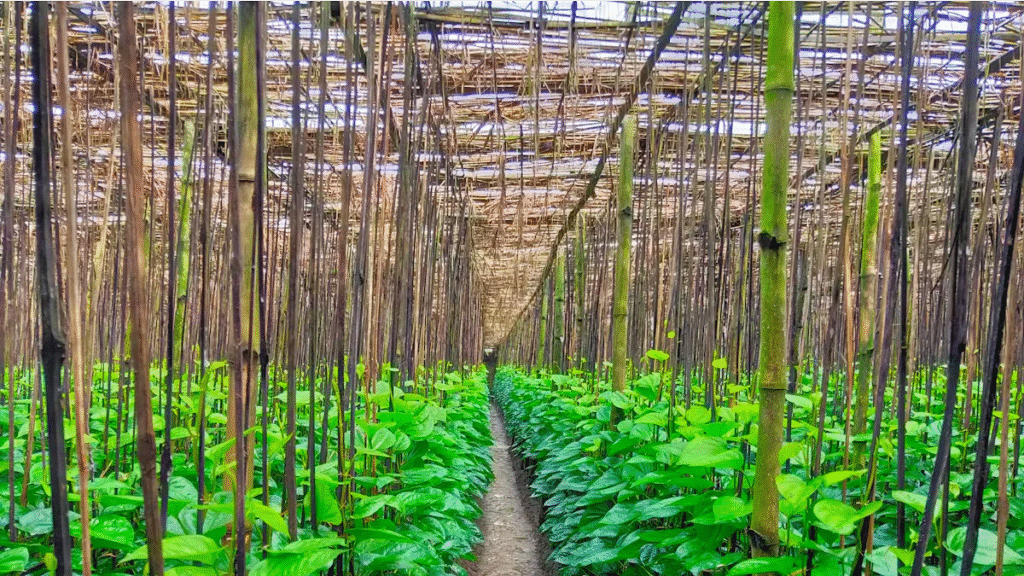
Sunlight Filtering
When you use a green net, you give your plants a shield that filters sunlight in a smart way. The net’s woven structure, made from materials like polyethylene or polypropylene, reduces the intensity of sunlight based on its density. This means your plants get less direct solar radiation, which helps prevent leaf burn and heat stress during the hottest days.
- The net allows both air and water to pass through, so your plants stay ventilated and hydrated.
- By lowering the amount of sunlight, the net creates a cooler, more humid microclimate under its cover.
- You help your plants keep more soil moisture because less water evaporates from the ground.
- The filtered light encourages better chlorophyll production, which boosts photosynthesis.
- You may notice your plants growing taller, with larger leaves and more biomass.
This gentle filtering effect protects your plants from strong winds and physical damage, too. You create an environment where plants can thrive, even when summer temperatures soar. The green net acts as a natural temperature regulator, making sure your garden stays healthy and productive.
Airflow and Cooling
A green net does more than just block sunlight. Its mesh design lets air move freely, which is key for keeping your covered areas cool. The net’s lightweight and durable material, often HDPE, allows for excellent ventilation. You avoid the stuffy, overheated feeling that can happen under solid covers.
- The net’s open weave keeps air flowing, which helps lower temperatures under the shade.
- Water can pass through easily, so rain or irrigation reaches your plants without pooling.
- In areas with cooling pads, the net acts as a barrier that keeps dust, insects, and debris away from the pads.
- Clean cooling pads mean better airflow and more efficient cooling for your space.
- You spend less time on maintenance because the net helps keep everything cleaner.
By using a green net, you maintain a steady flow of fresh air and support a cooler, healthier environment for both plants and people. This simple solution helps you beat the summer heat while protecting your garden or outdoor area.
Choosing and Using Green Net
Density and Color
Lorsque vous select a green net for summer, pay close attention to its density and color. Density refers to how tightly the net is woven. Nets with higher density block more sunlight and provide greater cooling, which works well for delicate plants or very hot climates. Lower-density nets allow more light through, making them better for sun-loving plants. Most green nets come in shades of green, but you may also find white or black options. Green nets balance shade and light, supporting healthy plant growth while keeping temperatures down. Always match the net’s density to your plants’ sunlight needs for the best results.
Tip: Use a table or chart to compare shade percentages and choose the right one for your garden.
Conseils d'installation
Proper installation helps your green net work effectively all summer. Follow these steps for the best results:
- Measure the area where you want to install the net.
- Choose a net with the right shade percentage and strong material.
- Set up sturdy supports, such as poles, wires, or frames.
- Stretch the net tightly and secure it with ties or clamps at regular intervals to prevent sagging.
- Check all edges and corners to make sure there are no gaps.
- Inspect the net regularly and adjust tension or replace worn ties as needed.
You may face challenges like heat buildup or gaps that let pests in. To solve these, use additional cooling systems if needed and make sure the net fits snugly. Planting flowers outside the net can attract pollinators and help with pest control.
Maintenance
Regular care keeps your green net in top shape. Inspect the net often for signs of wear, such as fraying, holes, or loose connections. Clean the net with a soft brush and mild soap to remove dirt and debris. Promptly repair any small tears to prevent bigger problems. You can also apply protective coatings to shield the net from harsh weather. Schedule check-ups throughout spring and summer to catch issues early and keep your net working well.
Note: Good maintenance extends the life of your net and ensures your plants stay protected all season.
Green Net vs. Other Shade Options
Shade Cloths
Shade cloths offer a flexible way to protect your plants from intense sunlight. You can choose from different densities and colors, which lets you control how much light and heat reach your garden. Higher density cloth blocks more sunlight, but it may trap heat underneath. Black shade cloth blocks more UV rays, but it can also create a warmer environment. Lighter colors reflect heat and keep the area cooler, but they may not block as much UV.
You will find shade cloths especially helpful during peak summer months. They work well for leafy greens like lettuce and kale, which need protection from sunburn. However, if you grow heat-loving crops such as tomatoes or peppers, heavy shade may reduce their productivity. Shade cloths are usually seasonal and easy to remove when not needed.
Tip: Use lighter-colored shade cloths for cooler environments and darker ones for maximum UV protection.
Tarps and Alternatives
Tarpaulins, or tarps, provide another popular shading option. They are durable, rust-proof, and tear-resistant. You can reuse them for several seasons, making them a budget-friendly choice. Tarps offer uniform shading and protect against heavy rain if you choose waterproof types. However, tarps do not allow much air movement, which can lead to heat buildup and less ventilation for your plants.
Other alternatives include rooftop shading systems, urban vegetation, and cool roofs. Rooftop shading systems improve comfort and reduce cooling energy use by over 30% in hot climates. Urban vegetation, such as trees and green roofs, can lower air temperatures by up to 2.4°C during heat waves. These methods often require more planning and higher installation costs, but they provide long-term benefits for both plants and people.
| Shading Method | Cooling Effectiveness | Coût | Airflow | Best Use Case |
|---|---|---|---|---|
| Shade Cloth | Modéré à élevé | Modéré | Bon | Seasonal plant protection |
| Tarpaulin | Modéré | Faible | Poor | Rain and sun protection |
| Rooftop Shading | Haut | Modéré | Bon | Building cooling |
| Urban Vegetation | Haut | Haut | Bon | Long-term urban cooling |
Note: Combining vegetative shading with reflective surfaces, like cool roofs, gives you the best results for cooling and sustainability.
You can use a green net to protect your plants from harsh sunlight and high temperatures. This simple tool helps you keep your garden cooler and saves water by reducing evaporation. You also create a barrier against pests and diseases. If you want healthy plants and a comfortable outdoor space during summer, consider adding a green net to your setup. 🌱
 French
  English
  German
  Japanese
  Spanish
  Russian