
Bird damage can be a significant threat to vineyards, especially during the ripening season. As grapes mature and sugar levels rise, birds are drawn to the sweet fruit, often causing extensive crop losses. One of the most effective and widely used methods to protect grapes is bird netting. However, not all bird nets are created equal. Choosing the right bird netting for vineyards can make a big difference in both crop protection and long-term cost savings.
1. Why Bird Netting is Essential for Vineyards
Birds such as starlings, sparrows, and blackbirds can devastate vineyards within days. Traditional deterrents like scarecrows or sound devices often lose effectiveness over time. Bird netting offers a physical barrier, making it one of the most reliable bird control solutions.
Unlike chemical repellents or sonic devices, bird netting is eco-friendly, non-lethal, and cost-effective over the long term. For commercial vineyard operators, installing bird netting is a proactive way to ensure a higher yield and better-quality fruit.
2. Key Factors to Consider When Choosing Vineyard Bird Netting
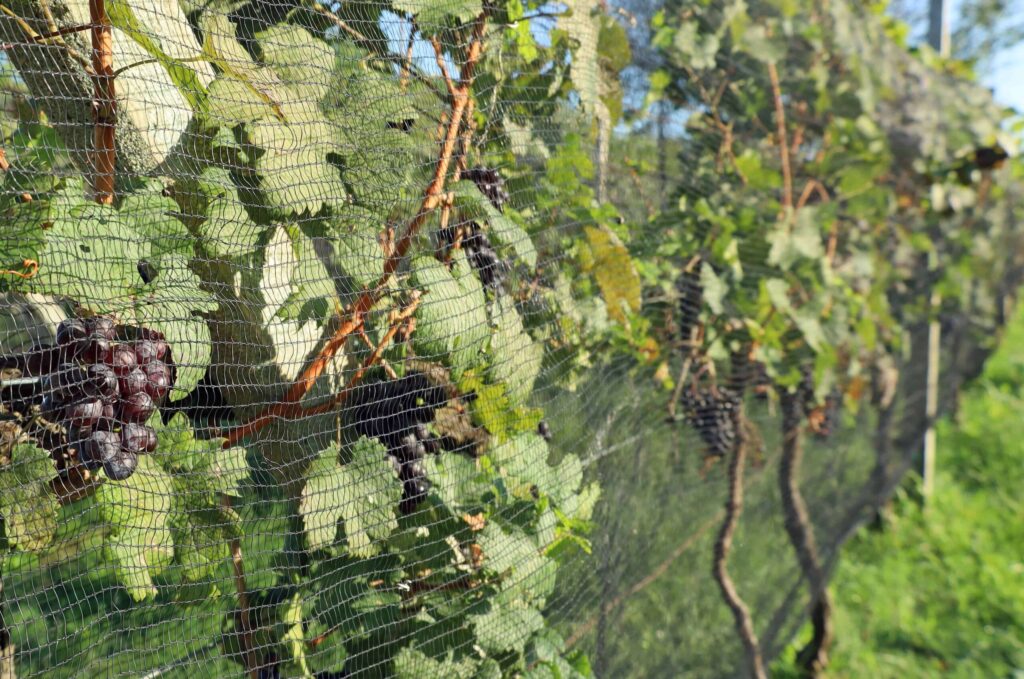
a. Mesh Size and Type
The mesh size determines which types of birds are kept out. A 15–20 mm mesh is typically sufficient to stop most common vineyard pests. Smaller mesh sizes may also protect against hail or insects, but could reduce airflow and light.
Choose between:
-
Knitted mesh (durable, flexible, UV-stabilized)
-
Extruded mesh (cost-effective, lighter but less durable)
-
Woven mesh (strong, ideal for heavy-duty use)
For a durable and UV-resistant solution,heavy-dutyy bird netting is often recommended.
b. Material Quality
Look for UV-stabilized polyethylene or polypropylene material. These materials withstand sun, wind, and rain, ensuring multiple seasons of use.
Avoid cheap plastic nets that degrade quickly and tear easily, costing more in the long run.
c. Color and Visibility
Netting typically comes in black, white, or green. Black offers the best UV resistance and is less visible to birds (which makes it more effective). White nets may be easier for workers to see and handl,e but can be more visible to birds, sometimes encouraging avoidance behavior rather than deterrence.
d. Installation Method
There are three common installation types:
-
Overhead netting: Covers entire rows or sections of the vineyard.
-
Side netting: Wraps around the fruiting zone.
-
Drape netting: Laid directly over the vines.
Each method has pros and cons depending on your vineyard’s layout, labor resources, and budget. For example, drape netting is cheaper and easier to instal,l but may need to be removed before harvest.
3. Regional Considerations and Climate
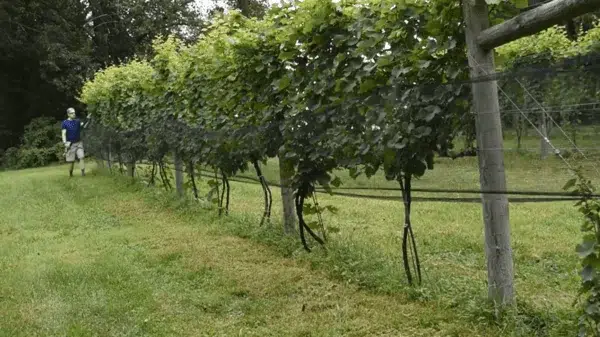
If your vineyard is in a high UV or windy region, select netting with reinforced edges and higher GSM (grams per square meter) to prevent tearing. For vineyards near forests or bird migration paths, denser netting or full enclosures may be necessary.
4. Budget vs. Longevity
While it may be tempting to go for low-cost options, investing in quality netting can reduce replacement costs and protect yields more effectively. A high-quality net can last up to 5–10 seasons with proper care.
Remember, your netting is protecting a high-value crop—skimping on quality could cost you more in lost grapes than what you save upfront.
5. Where to Buy Reliable Bird Netting for Vineyards
When sourcing bird netting, choose suppliers with a strong reputation in agricultural solutions. Look for product specs like UV resistance, tensile strength, and warranty information.
At AgrinetPro, we specialize in high-quality agricultural netting produc,ts including agricultural bird nets that are engineered for vineyard use. Our products are field-tested and trusted by farms worldwide.
6. Additional Tips for Effective Netting Use
-
Install before veraison (grape ripening) to get ahead of the birds.
-
Secure tightly at ground level to prevent bird access underneath.
-
Inspect periodically for tears or dislodged sections.
-
Store properly off-season to extethe nd net’s lifespan.
Choosing the right bird netting for your vineyard isn’t just a product decision—it’s an investment in your crop’s health and profitability. From mesh size and material to installation method and supplier reputation, each factor plays a crucial role in keeping your grapes safe from bird damage.
With the right netting strategy, you can minimize losses, reduce labor, and harvest with confidence.
Explore anti-bird netting options at AgrinetPro today to find the perfect fit for your vineyard needs.
 English
  German
  French
  Japanese
  Spanish
  Russian