
When choosing an anti-bird net for agriculture, you must consider how material properties, durability, and ease of installation impact effectiveness. No-Knot netting offers a softer feel, making it easier to handle during overhead installations. Heavy-duty netting, with its higher abrasion resistance, performs better in areas prone to wear and tear. Both types of anti-bird net for agriculture deliver reliable crop protection, but their suitability depends on your farming needs.
要点
- No-Knot bird netting is light and simple to set up. It works well for small farms or short-term use.
- Heavy-duty bird netting is strong and lasts longer. It protects better in bad weather and fits big farms or expensive crops.
- Think about your farm size, crop type, and weather. Pick No-Knot or Heavy Duty netting to grow more and spend less.
Overview of Anti-Bird Net for Agriculture
No-Knot Bird Netting: Material and Design
No-knot bird netting stands out for its lightweight yet durable construction. Made from black multi-stranded polypropylene fiber, this netting offers a break strength of 40 lbs, making it suitable for various agricultural applications. Its design prioritizes flexibility and ease of handling, which simplifies installation, especially in overhead areas. Farmers often prefer this type of anti-bird net for agriculture due to its soft texture and user-friendly features.
| 特徴 | 説明 |
|---|---|
| Material Composition | Black multi-stranded polypropylene fiber |
| ブレーク強度 | 40 lbs |
| Design Features | Durable and effective for various applications |
Heavy Duty Bird Netting: Material and Design
Heavy-duty bird netting is engineered for maximum durability and resistance to wear. This netting is ideal for areas exposed to harsh environmental conditions or frequent abrasion. Its robust design ensures long-term protection against bird damage, making it a reliable choice for safeguarding crops. Although slightly more challenging to install, its sturdiness compensates by providing an extended service life.
Common Agricultural Applications
Both no-knot bird netting and heavy-duty bird netting serve diverse agricultural needs. No-knot netting effectively protects crops from bird damage while maintaining humane exclusion practices. Heavy-duty netting, with its smaller mesh size, blocks all bird species, including sparrows, pigeons, and starlings. Additionally, high-quality HDPE bird netting prevents the spread of diseases, ensuring a healthier environment for plants.
| Type of Bird Netting | 申し込み | ベネフィット |
|---|---|---|
| No Knot Bird Netting | Protects crops from bird damage | Humanely blocks birds from entering unwanted areas |
| Heavy Duty Bird Netting 3/4″ | Safeguard agricultural areas | Stops all birds, including sparrows, pigeons, and starlings |
| High Quality HDPE Bird Netting | Prevents the spread of diseases | Controls bird transmission, ensuring a healthy environment for plants |
Farmers report significant increases in crop yield and cost savings due to reduced bird damage. Anti bird net for agriculture provides an environmentally friendly solution that protects crops without harming birds.
Efficacy as a Bird Deterrent
Mesh Size and Bird Exclusion
The mesh size of bird netting plays a critical role in its effectiveness as a bird deterrent. Smaller mesh sizes, such as those found in heavy-duty bird netting, are highly effective at blocking smaller bird species like sparrows and starlings. This makes them ideal for protecting crops that are particularly vulnerable to these pests. On the other hand, no-knot bird netting often features slightly larger mesh sizes, which are sufficient for deterring larger birds such as pigeons and crows.
When selecting a netting type, you should consider the bird species prevalent in your area. Smaller mesh sizes provide comprehensive coverage but may reduce airflow and light penetration. Larger mesh sizes offer better ventilation and are easier to handle during installation. A study on single-row exclusion nets demonstrated their effectiveness as a pest control method in orchards. The research showed that these nets deter birds without significantly impacting local bird populations, making them an environmentally friendly choice for crop protection.
Burst Strength and Resistance to Damage
The durability of bird netting depends on its burst strength and resistance to environmental damage. Heavy-duty bird netting is designed to withstand harsh conditions, including strong winds, heavy rainfall, and prolonged sun exposure. Its robust construction ensures long-term protection, even in challenging environments. No-knot bird netting, while durable, is more susceptible to wear and tear in extreme conditions. However, its lightweight design makes it easier to handle and less prone to tangling during installation.
You should evaluate the environmental conditions of your farm before choosing a netting type. For areas with high wind speeds or frequent storms, heavy-duty netting offers superior performance. In contrast, no-knot netting is better suited for regions with milder climates and less exposure to abrasive elements.
Best Use Cases for Each Type
Each type of bird netting excels in specific agricultural scenarios. Heavy-duty bird netting is an effective bird deterrent for large-scale farms and high-value crops like vineyards and orchards. Its smaller mesh size and high burst strength make it ideal for protecting crops from a wide range of bird species. No-knot bird netting, with its lightweight and flexible design, is better suited for smaller farms or areas requiring frequent adjustments. It is particularly effective for protecting fruit trees, vegetable gardens, and other crops that need moderate protection.
By understanding the strengths of each netting type, you can make an informed decision that aligns with your agricultural needs. Whether you aim to prevent birds from damaging your crops or ensure long-term durability, selecting the right netting is crucial for maximizing yield and minimizing losses.
Installation and Handling
Ease of Installation for No-Knot Netting
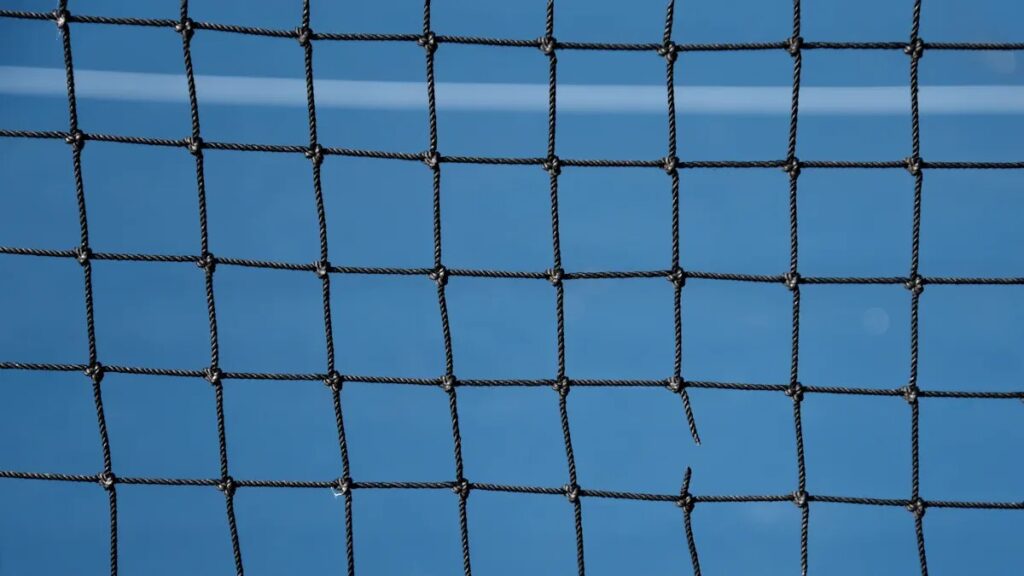
When it comes to installation, No-Knot bird netting offers significant advantages. You will find it lightweight and easy to handle, which simplifies the setup process. Its flexible design allows you to drape it over crops or structures without much effort. This netting type often comes in pre-cut sizes, reducing the need for additional trimming. You can secure it using simple tools like zip ties or clips. This ease of installation makes No-Knot netting an excellent choice for quick setups or temporary installations.
Installation Challenges with Heavy-Duty Netting
Heavy-duty bird netting presents more challenges during installation. Its robust construction, while beneficial for durability, adds weight and stiffness. You may need additional manpower or equipment to manage the setup. The netting’s rigidity can make it difficult to maneuver around complex structures or uneven terrain. You should plan for a longer installation time and possibly enlist professional help. Despite these challenges, the long-term benefits of heavy-duty netting often justify the initial effort.
Material Handling and Flexibility
Handling and flexibility differ significantly between the two netting types. No-Knot netting offers superior flexibility, allowing you to adjust and reposition it with ease. This feature proves useful for areas requiring frequent access or adjustments. In contrast, heavy-duty netting demands careful handling due to its weight and stiffness. You should take care to avoid kinks or bends that could compromise its integrity. While less flexible, its sturdiness provides reliable protection in high-risk areas.
Durability and Maintenance
Longevity of No-Knot Netting
No-Knot bird netting offers a respectable lifespan, especially when used in mild climates. Its multi-stranded polypropylene material resists UV degradation, ensuring it remains effective for several years. However, you may notice that this netting type is more prone to wear in areas with extreme weather conditions. Prolonged exposure to strong winds or heavy rainfall can weaken its fibers over time.
To maximize its longevity, you should install No-Knot netting in areas with moderate environmental stress. Regular inspections can help you identify early signs of damage, such as fraying or thinning fibers. By addressing these issues promptly, you can extend the netting’s service life and maintain its effectiveness.
ヒント Store unused No-Knot netting in a cool, dry place to prevent unnecessary exposure to sunlight and moisture. Proper storage can significantly enhance its durability.
Longevity of Heavy-Duty Netting
Heavy-duty bird netting is designed for long-term use, even in harsh environments. Its high-density polyethylene (HDPE) construction provides exceptional resistance to UV rays, abrasion, and weather-related damage. You can expect this netting to last up to 10 years or more with proper care, making it a cost-effective choice for large-scale or high-value agricultural operations.
This netting type performs well in areas with extreme weather conditions. Its robust design ensures it can withstand strong winds, heavy rain, and prolonged sun exposure without compromising its integrity. If you operate in a region with challenging environmental factors, Heavy Duty netting offers unmatched durability.
注: While Heavy Duty netting is highly durable, you should still inspect it periodically for signs of wear, especially around attachment points. Reinforcing these areas can prevent minor issues from escalating into significant damage.
Maintenance Requirements for Each Type
Maintaining bird netting is essential to ensure its effectiveness and longevity. No-Knot and Heavy Duty netting have different maintenance needs due to their material properties and design.
- No-Knot Netting Maintenance:
- Inspect the netting regularly for frayed edges or holes caused by birds or environmental factors.
- Clean the netting with water to remove dirt, debris, or bird droppings that may accumulate over time.
- Repair small tears using zip ties or patch kits to prevent further damage.
- Avoid dragging the netting across rough surfaces during installation or storage to minimize wear.
- Heavy Duty Netting Maintenance:
- Check for tension loss or sagging, especially in areas with high wind exposure.
- Use a soft brush or low-pressure water spray to clean the netting without damaging its fibers.
- Reinforce attachment points with durable fasteners to maintain stability.
- Store unused netting in a shaded area to protect it from unnecessary UV exposure.
| メンテナンスタスク | No-Knot Netting | Heavy Duty Netting |
|---|---|---|
| Regular Inspections | Check for fraying or small tears | Monitor tension and attachment points |
| Cleaning | Use water to remove dirt and debris | Use a soft brush or low-pressure spray |
| Repairs | Patch small holes with zip ties | Reinforce weak points with fasteners |
| Storage | Store in a cool, dry place | Store in shaded areas to avoid UV damage |
By following these maintenance practices, you can ensure that your bird netting remains effective and provides long-term protection for your crops. Proper care not only extends the lifespan of the netting but also reduces the need for frequent replacements, saving you time and money.
Cost-Effectiveness
Initial Investment Costs
When evaluating bird netting solutions, upfront costs play a significant role in decision-making. No-Knot netting typically requires a lower initial investment due to its lightweight material and simpler installation process. This makes it an attractive option for smaller farms or operations with limited budgets. Heavy-duty netting, on the other hand, demands a higher initial expenditure. Its robust construction and extended lifespan justify the cost, especially for large-scale farms or high-value crops.
You should consider not only the price of the netting but also the installation expenses. Heavy-duty netting often requires additional manpower or specialized equipment, which increases the overall cost. No-Knot netting, with its ease of handling, reduces labor requirements and installation time, making it a cost-effective choice for quick setups.
Long-Term Value and ROI
Bird netting delivers significant long-term value by preventing crop losses and reducing the need for other pest control measures. A 2022 survey revealed that 68% of facility managers prefer preventive solutions like bird netting due to lower lifetime costs and reduced liability risks. Heavy-duty netting offers the highest return on investment (ROI) for farms in regions with harsh weather conditions. Its durability ensures consistent protection over a decade or more, minimizing replacement costs.
No-Knot netting provides a solid ROI for farms in milder climates. Its affordability and ease of maintenance make it a practical choice for operations seeking moderate protection. Exhibitors at PestWorld 2024 reported $18M in contracts for bird netting installations, highlighting the growing financial commitment to these solutions.
Suitability for Small vs. Large-Scale Farms
The choice between No-Knot and Heavy Duty netting often depends on the scale of your farm. No-Knot netting suits small-scale farms or gardens where flexibility and affordability are priorities. Its lightweight design simplifies installation and allows for frequent adjustments, making it ideal for protecting fruit trees or vegetable patches.
Heavy-duty netting excels in large-scale operations. Its robust construction and smaller mesh size provide comprehensive protection for high-value crops like vineyards and orchards. Insurance brokers bundling bird control services have created a $240M revenue stream, emphasizing the importance of durable solutions for large-scale farms. By aligning your netting choice with your farm’s size and needs, you can maximize efficiency and minimize costs.
No-Knot and Heavy Duty bird netting offer distinct advantages. No-Knot netting suits smaller farms needing flexibility, while Heavy Duty netting excels in protecting high-value crops on large-scale farms. Evaluate your farm size, crop type, and budget to choose the best option. The right netting ensures long-term protection and maximizes yield.
 Japanese
  English
  German
  French
  Spanish
  Russian