
Bird netting gives you a simple way to protect your garden from bird damage. This barrier stops birds from reaching your fruits, vegetables, and young plants. Studies show that sweet cherry crops with bird netting suffer much less damage. You also help the environment because netting reduces the need for pesticides. Take a look at these results:
| Measurement Aspect | No Netting | With Bird Netting |
|---|---|---|
| Floral Bud Damage (%) | 93% | 4% |
| Damage to Young Shoots (scale 1-5) | 4.35 | 0.5 |
You can keep your garden healthy and help wildlife at the same time.
Основные выводы
- Bird netting makes a safe wall. It keeps birds away from fruits, vegetables, and young plants. It does not hurt the birds.
- Using bird netting keeps your crops safe. You do not need as many pesticides. It also helps the environment.
- You must put up the netting the right way. Check it often to make sure it works. This keeps birds and other animals safe.
- Bird netting protects your garden for a long time. It works better than scare devices or chemicals. Those lose power fast.
- Fix holes in your netting and store it well. This keeps your garden healthy. It also saves you money over time.
Bird Netting Basics
How It Works
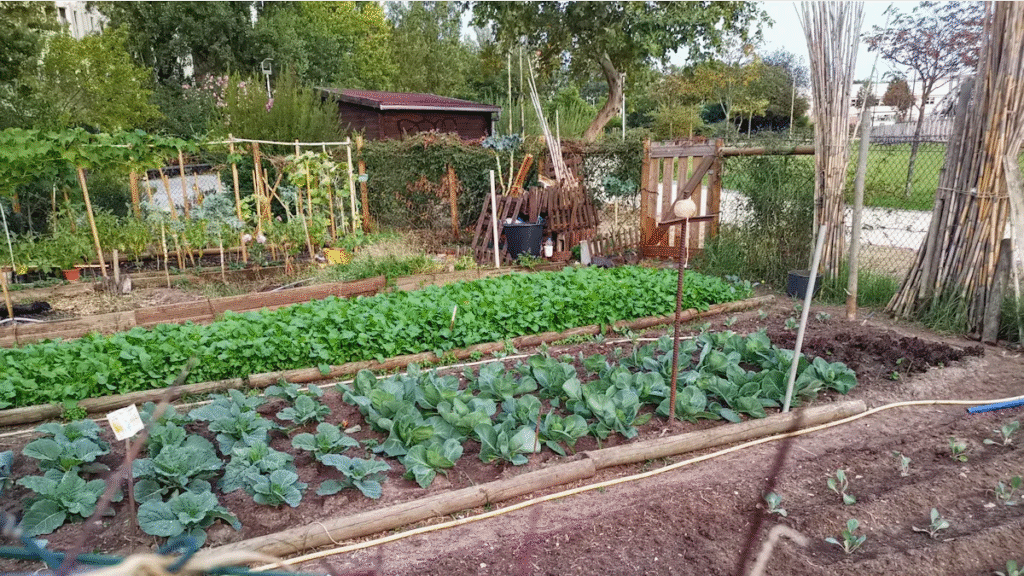
Сетка для птиц gives you a physical barrier that keeps birds away from your garden. You stretch the netting over fruit trees, vegetable beds, or shrubs after pollination. The mesh size blocks birds of different sizes from getting through. This stops them from landing, nesting, or feeding on your crops. You do not harm the birds. Instead, you guide them to look for food elsewhere.
Совет: Always check your netting for holes or tears. Even a small gap can let birds sneak in and damage your plants.
You can use bird netting on many types of gardens. People often cover fruit trees, grapevines, and berry bushes. The netting works best when you fully enclose the area and secure the edges to the ground. This method protects your crops during the most vulnerable stages, such as when fruit is ripening.
Key Benefits
Bird netting offers several important benefits for your garden and the environment. You protect your fruits and vegetables without using chemicals. This keeps your garden safe for pollinators and other wildlife.
- Protects Crops: You stop birds from pecking at apples, cherries, grapes, and other fruits. The netting also shields young plants and seedlings from hungry birds.
- Eco-Friendly: You avoid pesticides and reduce harm to the environment. The netting does not hurt birds or other animals.
- Improves Yield: Research shows that netting can help you grow more marketable fruit. It also reduces damage from sunburn, hail, and some insects.
- Supports Organic Gardening: You can use bird netting as part of an organic gardening plan. This helps you grow healthy food without synthetic chemicals.
Here is a table that shows some of the benefits and results from research:
| Benefit Description | Quantified Value | Пояснение |
|---|---|---|
| Increase in insect damage when birds are excluded | 12.8% | Netting to exclude birds led to 12.8% more insect damage, showing birds help control pests. |
| Bird damage to apples | 1.9% | Birds caused low direct damage to fruit, only 1.9% on average. |
| Net reduction in damaged fruit due to bird activity | 10.9% | Overall, bird presence reduced damaged fruit by 10.9%, showing a net positive effect. |
You should know that while bird netting keeps birds away from your crops, it may also reduce the natural pest control that birds provide. Some studies show a small increase in insect damage when birds cannot reach the plants. Still, the netting remains a safe and effective way to protect your harvest.
Примечание: Bird netting works best when you use it as part of a larger garden plan. You can combine it with other methods, such as planting hedgerows, to support bird populations and keep your garden healthy.
Types of Bird Damage
Fruits and Vegetables
Birds often target your ripening fruits and vegetables. You might notice peck marks on tomatoes, strawberries, or cherries. Sometimes, birds eat entire berries or leave half-eaten fruit behind. This damage can reduce your harvest and make your crops less appealing. Birds like starlings, blackbirds, and sparrows can quickly strip a tree or bush of its fruit. You may also see holes in apples or grapes, which can lead to rot and attract insects.
Совет: Harvest your crops as soon as they ripen to reduce the risk of bird damage.
Seedlings and Young Plants
Young plants and seedlings face a high risk from birds. Birds often pull up seedlings or eat the tender shoots. This can happen just days after your plants emerge. If you grow sunflowers, you may see the most damage during the first two weeks after the seeds sprout. When bird numbers are high, your plant population can drop below 50,000 plants per hectare, which can hurt your yield.
Here is a table that shows how serious bird damage can be for seedlings and young plants:
| Aspect | Description or Value |
|---|---|
| Susceptibility phase duration | A few days to two weeks after emergence and cotyledon stages |
| Economic loss estimates | €129 to €228 per hectare (14% to 35% of gross margin) |
| Fields with visible damage | About one-third of the sunflower fields in France |
| Fields needing resowing | 13.5% in 2013, 7.0% in 2017, 7.5% in 2015 |
You can see that bird damage can cause real economic loss and force you to replant your crops.
Nesting and Roosting
Birds sometimes use your garden as a place to nest or roost. You might find nests in hedges, trees, or even on garden structures. While nesting birds can help control some pests, they may also damage plants by breaking stems or pulling up mulch. Large flocks can leave droppings that harm leaves and soil. If birds roost in large numbers, they can flatten plants and create unsanitary conditions.
Примечание: Сетка для птиц helps prevent birds from nesting in unwanted areas while still allowing them to visit other parts of your yard.
Installing Bird Netting
Choosing the Right Netting
You need to pick the right netting for your garden to keep birds away and protect your plants. Different types of netting work best for different needs. Here are some important things to consider:
- Mesh size matters. Smaller mesh sizes keep out more types of birds. For example, a 3/4-inch mesh stops sparrows and larger birds, while a 2-inch mesh only blocks bigger birds like pigeons.
- Material choice affects how long your netting lasts. Nylon netting is lightweight and easy to install. Polyethylene netting is stronger and works well in gardens with harsh weather. Stainless steel netting is the toughest and is used in places that need extra protection.
- Bird netting has smaller holes than chicken wire, so it blocks birds more effectively. It is also flexible, so you can drape it over plants without needing extra supports.
- Seasonal netting is light and easy to use. You can put it up and take it down each year. Heavy-duty netting works better for permanent setups and lasts longer.
- If you grow berries or grapes, pop-up polyethylene netting works well. For trellises, chicken wire gives more support.
Совет: Always match your netting to the birds in your area and the weather conditions. Ask a garden expert if you are not sure which type to choose.
Step-by-Step Setup
Proper installation helps you get the most out of your bird netting. Follow these steps to protect your crops and keep birds safe:
- Measure your garden area. Find out how much netting you need by measuring the length, width, and height of the space you want to cover.
- Choose sturdy supports. Use poles, stakes, or frames to hold the netting above your plants. This keeps the netting from touching fruit or leaves and stops birds from pecking through.
- Cut the netting to size. Make sure the netting covers the whole area with extra to reach the ground on all sides.
- Drape the netting over the supports. Let the netting hang loosely above the plants. This creates space and keeps birds from reaching the crops.
- Secure the netting around the base. Use garden staples, rocks, or soil to hold the edges down. Make sure there are no gaps where birds can sneak in.
- Fully enclose your crops. Tuck in all loose edges and check for holes or tears. A fully enclosed setup keeps birds out and prevents them from getting trapped.
- Check the netting often. Look for damage after storms or strong winds. Fix any holes right away.
Bird netting is lightweight and eco-friendly. It lets sunlight, air, and rain reach your plants, so your garden stays healthy.
Safety Tips
You want to protect your crops, but you also need to keep birds and other wildlife safe. Follow these safety tips when you install bird netting:
- Cover all possible nesting spots with netting or chicken wire that has openings no larger than 19 millimeters. This keeps birds from nesting and getting stuck.
- Cap pipes and seal small dark spaces where birds might enter.
- Avoid curling or twisting cables near your netting. Lay them straight or in gentle waves to prevent birds from getting tangled.
- Use high-visibility markers or bird flight diverters on any wires or supports. These help birds see the netting and avoid flying into it.
- Install anti-perching devices on nearby structures if you notice birds trying to land or nest there.
- Check your netting and markers regularly. Make repairs as soon as you spot damage.
Примечание: Proper installation keeps birds safe and makes your netting more effective. Always check for trapped animals and release them if needed.
Bird Netting vs Other Methods
Effectiveness
You want to choose a method that truly protects your garden. Bird netting stands out as one of the most effective ways to keep birds away from your crops. Studies show that netting can reduce bird damage by about 10%. This means you save most of your fruit and vegetables from hungry birds. Other methods, like visual or sound-based scaring, only work for a short time. Birds quickly get used to these tricks, often within two weeks, and return to your garden.
Take a look at this table comparing different bird control methods:
| Location | UAV Damage (%) | Visual Scaring Damage (%) | Netting Damage (%) |
|---|---|---|---|
| 1 | 0.9 | 1.8 | 1.2 |
| 2 | 1.6 | 2.5 | 0.7 |
| 3 | 1.2 | 4.8 | 0.5 |
You can see that both netting and UAVs (drones) keep damage very low, while visual scaring lets more birds get through. Chemical repellents and lethal methods may work at first, but they do not last and can cause other problems.
Netting gives you long-lasting protection and does not rely on chemicals or constant attention.
Pros and Cons
Every bird control method has its strengths and weaknesses. Here is a quick look at how bird netting compares to other options:
Pros:
- Gives you reliable, long-term protection.
- Does not harm birds or other wildlife.
- Reduces the need for chemicals in your garden.
- Works well for many types of crops and gardens.
Cons:
- It can be costly, especially for large areas.
- Needs careful setup and regular checks.
- It may be hard to manage in very big gardens or vineyards.
Other methods, like scare devices, cost less but only work for a short time. Birds learn to ignore them. Chemical repellents face legal limits and may not protect your crops fully. Lethal control can upset neighbors and does not solve the problem for long.
For most home gardens, bird netting gives you the best balance of safety, effectiveness, and peace of mind.
Maintenance and Safety
Protecting Wildlife
You want to keep your garden safe, but you also need to protect local wildlife. Choosing the right netting and installing it correctly helps you avoid harming birds and other animals. Always select high-quality, UV-treated netting that lasts for many seasons. Netting with holes smaller than 1/4 inch (6 mm) keeps birds and squirrels from getting trapped. Pull the netting tight and secure it with stakes or support frames. Loose or floppy netting can catch wings or feet, which can injure animals.
Some animals, like hedgehogs, snakes, or bats, may try to move through your garden. You should check your netting often to make sure nothing is caught. Avoid cheap, green netting that shreds easily. This type can break apart and become a hazard for wildlife and the environment. If you want a long-term solution, handwoven stainless steel mesh works well. It resists rust and harsh weather, and the smooth wires prevent cuts or scrapes. Although it costs more at first, it lasts for years and keeps both your plants and animals safe.
🦔 Совет: Use hoops with small-gauge butterfly netting to keep birds out while letting bees and other helpful insects reach your plants.
Upkeep Tips
Regular care keeps your netting working well and your garden protected. Start by checking the netting after storms or strong winds. Look for holes, tears, or loose edges. Fix any damage right away to stop birds or animals from sneaking in. Clean the netting if it gets dirty or covered with leaves. This helps sunlight, air, and rain reach your plants.
You should also check the supports and stakes. Make sure they stay strong and hold the netting tight. If you use netting for only part of the year, store it in a dry place when not in use. This prevents mold and makes it last longer. Replace worn or damaged netting before the next growing season.
🌱 Примечание: Careful upkeep protects your crops and helps local wildlife stay safe.
Вы можете использовать сетка для птиц to keep your garden safe. This brings many good things for you and your plants. Studies show netting keeps away pests and makes fruit better. It also means you do not need as many chemical sprays.
- Netting lets you save money by stopping crop loss. It also helps you grow more food.
- You help the Earth because you use fewer pesticides.
UV-stabilized netting stays strong for years if you take care of it. This makes it a smart choice for the future. Use good steps to keep your garden healthy and growing.
 Russian
  English
  German
  French
  Japanese
  Spanish