
Shade nets and insect nets serve distinct purposes in modern agriculture, highlighting the difference between shade nets and insect nets. Shade nets control sunlight exposure, creating optimal growing conditions for plants. On the other hand, insect nets protect crops from pests, thereby reducing the need for chemical interventions. With the agriculture net market projected to grow at a 5.7% CAGR, the increasing demand underscores its environmental and economic benefits. Choosing the right net is essential for ensuring efficiency in agricultural practices.
Основные выводы
- Shade nets help block sunlight, making it better for plants to grow. They protect crops from too much heat and water loss.
- Insect nets keep bugs away, so fewer chemicals are needed. They keep crops healthy and support eco-friendly farming.
- Pick the right net based on what your farm needs. Use shade nets to control light and insect nets to stop pests for better harvests.
Purpose and Functionality
Shade nets: Controlling sunlight exposure
Теневые сетки are designed to regulate the amount of sunlight that reaches your crops. By filtering sunlight, these nets create a controlled environment that reduces heat stress and prevents excessive evaporation. This makes them particularly useful in regions with intense sunlight or during peak summer months.
Performance tests have demonstrated the efficiency of shade nets in controlling sunlight exposure. The table below highlights key metrics from simulation and heliodon tests:
| Metric | Simulation Results | Heliodon Results |
|---|---|---|
| Average Shaded Area | 78.7% | 78.9% |
| Best Performance Time | 09:00 | N/A |
| 100% Shading (Self-Shading) | Да | Да |
| Better Performance (Horizontal) | Over 70% | N/A |
These results show how shade nets consistently provide optimal shading, ensuring your crops receive the right balance of light and shade throughout the day.
Insect nets: Protecting against pests
Insect nets serve a different purpose by acting as a physical barrier against pests. They help you protect your crops from harmful insects like aphids, whiteflies, and fruit flies, reducing the need for chemical pesticides. This not only promotes healthier crops but also supports sustainable farming practices.
Research has shown that the design of insect nets significantly impacts their effectiveness. For example, rectangular-shaped apertures with a shortest side of no more than 1.9 mm effectively exclude pests like the apple maggot. Larger mesh sizes, on the other hand, allow beneficial insects to thrive while still keeping harmful pests at bay. This balance ensures that your crops remain protected without disrupting the ecosystem.
Functional differences between shade nets and insect nets
The primary difference between shade net and insect net lies in their functionality. Shade nets focus on controlling sunlight exposure, making them ideal for managing temperature and light conditions. In contrast, insect nets prioritize pest exclusion, ensuring your crops remain safe from infestations.
While both types of nets contribute to improved crop yield, their applications differ. Shade nets are commonly used in nurseries, greenhouses, and open fields to protect plants from excessive sunlight. Insect nets, however, are more suited for environments where pest control is a priority, such as orchards and vegetable farms. Understanding these functional differences helps you choose the right net for your specific agricultural needs.
Material and Design
Materials used in shade nets
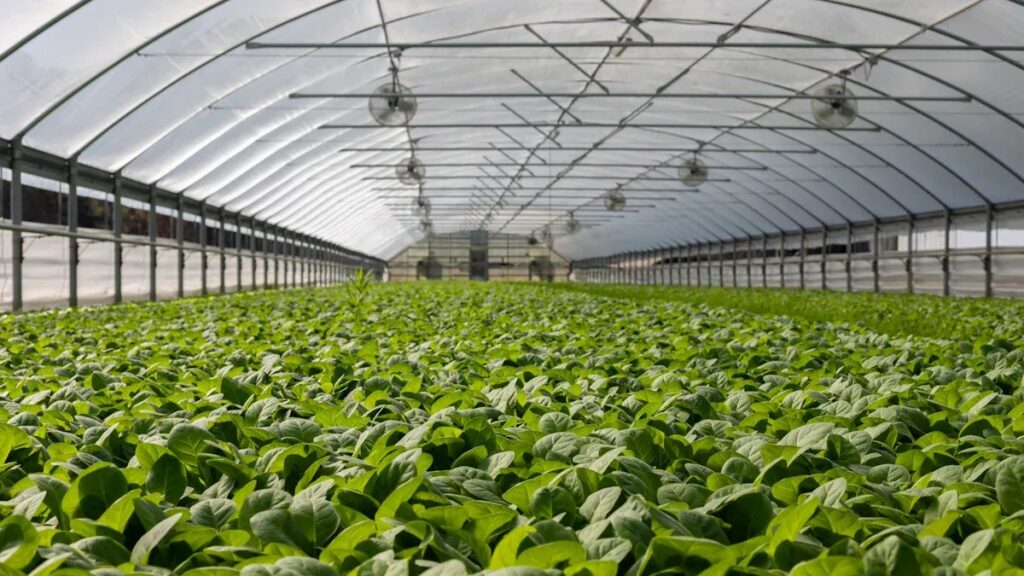
Shade nets are crafted from materials that ensure durability and effective sunlight control. High-Density Polyethylene (HDPE) is the most commonly used material due to its UV resistance and long lifespan, ranging from 3 to 10 years. Black shade nets absorb heat, making them ideal for cooler climates, while white shade nets reflect heat, providing a balanced light spectrum for flowering and fruiting plants. Aluminum shade nets, known for their anti-aging properties, offer superior UV protection but come with a higher initial cost.
| Material Type | Benefits | Limitations |
|---|---|---|
| Полиэтилен высокой плотности (ПЭВП) | Durable, UV resistant, long-lasting (3-10 years) | May degrade over time if not UV-stabilized |
| Black Shade Nets | Excellent UV protection, absorbs heat for warmer conditions | Not suitable for hot climates |
| White Shade Nets | Reflects heat, provides a full light spectrum for fruiting and flowering plants | Can lead to cooler temperatures |
| Aluminum Shade Nets | Durable, UV-blocking, anti-aging properties for long-term use | Higher initial cost |
Materials used in insect nets
Insect nets rely on lightweight yet robust materials to create a physical barrier against pests. HDPE is also a popular choice here, often treated with UV stabilizers to enhance longevity. Some insect nets incorporate additional coatings, such as deltamethrin, to repel insects further. Laboratory tests have shown that treated nets maintain high efficacy over time, with Olyset® Plus retaining 76.7% effectiveness even after 24 months.
| Time (Months) | Olyset® Plus Efficacy (%) | Olyset® Net Efficacy (%) |
|---|---|---|
| 0 | 100 | N/A |
| 6 | 96.7 | N/A |
| 12 | 93.3 | N/A |
| 18 | 86.7 | N/A |
| 24 | 76.7 | N/A |
| 36 | 42.0 | N/A |
Design differences between shade nets and insect nets
The design of shade nets and insect nets reflects their distinct purposes. Shade nets feature a looser weave to allow partial sunlight penetration, with varying shading percentages (e.g., 50%, 75%) tailored to crop needs. Insect nets, however, use a tighter mesh to block pests while permitting airflow and light. Studies reveal that rectangular apertures with a shortest side of 1.9 mm effectively exclude pests like apple maggots.
| Material Type | An. funestus Reduction (%) | An. gambiae s.l Reduction (%) | IRR (95% CI) | P-value |
|---|---|---|---|---|
| Mosquito netting | 61.3 | 84 | 0.39 (0.32-0.46) | <0.0001 |
| Untreated shade cloth | 70 | 69 | 0.30 (0.25-0.37) | <0.001 |
| Deltamethrin-impregnated shade cloth | N/A | 76 | 0.24 (0.15-0.38) | <0.001 |
These design differences highlight the unique roles of each net type, emphasizing the importance of selecting the right one based on your agricultural challenges, whether it’s sunlight control or pest protection. Understanding the difference between shade net and insect net ensures you make an informed choice for your crops.
Applications and Use Cases
Typical uses of shade nets
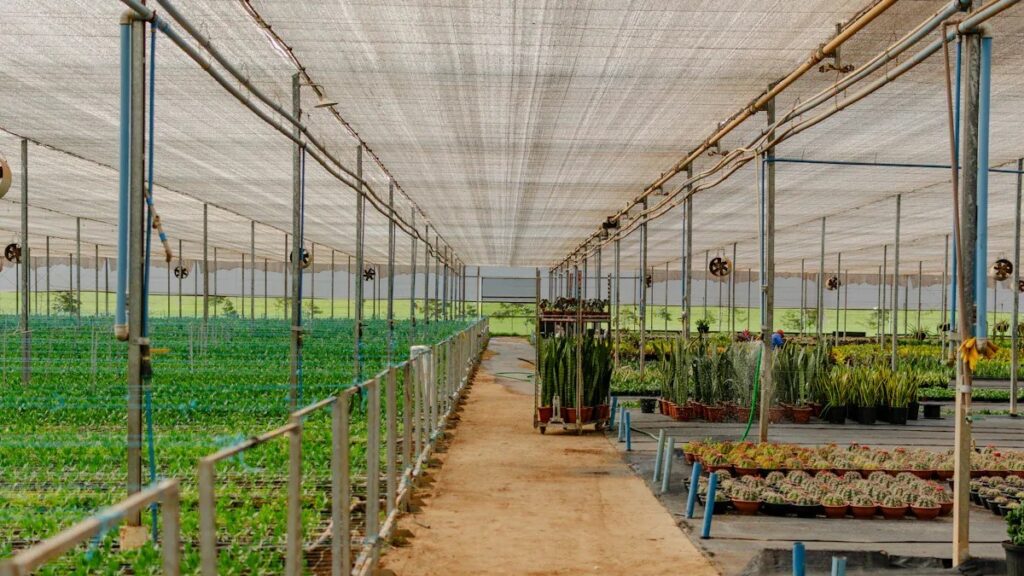
Shade nets are widely used in agriculture to create a controlled environment for crops. They help regulate sunlight, temperature, and humidity, making them ideal for regions with extreme weather conditions. You can use shade nets to protect plants from excessive sunlight, frost, hail, and wind. This makes them particularly effective for crops that require specific light and temperature conditions to thrive.
For example, avocado farmers often use high-density shading nets to mitigate frost damage during winter. Hass avocado trees benefit from reduced frost exposure, leading to improved tree performance. Reed avocado trees covered with a Silver 70% net show higher chlorophyll content and trunk diameter compared to uncovered trees. Similarly, banana plants protected with Aluminet 50% shading nets experience significantly less frost damage than those covered with Crystal 10% nets.
| Crop Type | Evidence of Use | Performance Outcome |
|---|---|---|
| Avocado (Hass) | High-density shading nets mitigate frost damage during winter. | Improved tree performance and reduced frost damage. |
| Avocado (Reed) | Covered with a high-density Silver 70% net during cold winters. | Higher Fv/Fm rates, chlorophyll content, and trunk diameter compared to uncovered trees. |
| Banana | Aluminet 50% shading net vs. Crystal 10% net for frost protection. | Significantly less frost damage in banana plants covered with Aluminet. |
| General Crops | Shading nets protect against hail, wind, and excessive sunlight. | Enhanced crop resilience and productivity in various agricultural settings. |
Shade nets are also popular in nurseries and greenhouses, where they provide optimal light conditions for seedlings and delicate plants. By reducing heat stress and preventing water loss through evaporation, these nets contribute to healthier plant growth and higher yields.
Typical uses of insect nets
Insect nets are essential for protecting crops from pests without relying on chemical pesticides. You can use them to safeguard vegetables, fruits, and flowers from harmful insects like aphids, whiteflies, and fruit flies. These nets act as a physical barrier, ensuring that pests cannot reach your crops while allowing air and light to pass through.
In vegetable farming, insect nets are commonly used to protect crops like tomatoes, cucumbers, and peppers. They help maintain the quality and quantity of the harvest by preventing pest infestations. In orchards, insect nets are effective in shielding fruits such as apples, mangoes, and citrus from fruit flies and other pests.
In addition to pest control, insect nets can also support integrated pest management (IPM) strategies. By reducing the need for chemical pesticides, they promote sustainable farming practices and help maintain ecological balance. Some insect nets are even treated with insect-repellent coatings, offering an added layer of protection for your crops.
Choosing the right net for your crops
Selecting the appropriate net depends on your specific agricultural needs. If your primary concern is managing sunlight and temperature, shade nets are a better choice. They are ideal for crops that require controlled light conditions, such as flowers, leafy greens, and tropical fruits. On the other hand, if pest control is your main priority, insect nets are more suitable. They provide effective protection against pests while allowing beneficial insects to thrive.
Consider factors like crop type, climate, and the challenges you face in your farming environment. For instance, if you grow avocados in a frost-prone area, a high-density shade net can protect your trees from cold damage. If you cultivate vegetables in a pest-heavy region, an insect net with a fine mesh size can keep your crops safe.
Understanding the difference between shade net and insect net will help you make an informed decision. By choosing the right net, you can optimize your crop yield, reduce losses, and enhance the sustainability of your farming practices.
Maintenance and Durability
Maintaining shade nets
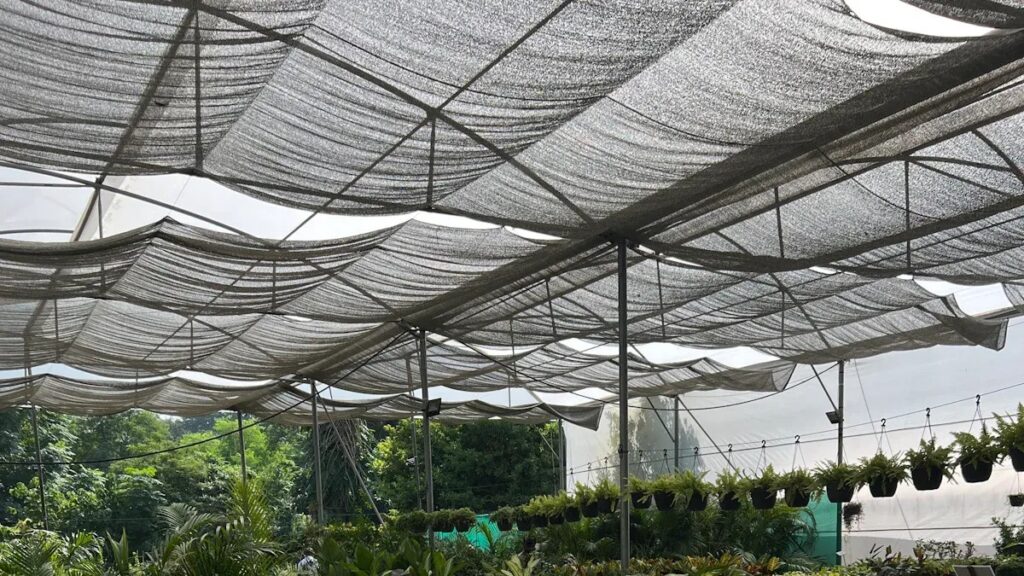
Proper maintenance of теневые сетки ensures their longevity and effectiveness. You should regularly inspect your shade nets for tears, fraying, or other damage caused by weather or handling. Small tears can quickly expand, so repair them promptly using UV-resistant thread or adhesive patches.
To clean your shade nets, use a soft brush or low-pressure water spray to remove accumulated dirt, dust, or debris. Avoid harsh chemicals, as they may degrade the material. If you use shade nets in areas with heavy rainfall or snow, ensure proper drainage to prevent water pooling, which can strain the net.
Совет: Store your shade nets in a dry, shaded area when not in use. This prevents unnecessary exposure to UV rays and extends their lifespan.
Maintaining insect nets
Insect nets require similar care but with additional attention to their fine mesh. You should clean them gently to avoid damaging the delicate weave. Use a soft cloth or sponge with mild soap and water to remove dirt and insect residues.
Inspect the mesh regularly for holes or weak spots. Even small openings can compromise pest protection. Repair damaged sections immediately using mesh patches or specialized adhesives.
When storing insect nets, fold them neatly and keep them in a pest-free environment. This prevents rodents or insects from chewing through the material.
Comparing durability: Shade nets vs. insect nets
Shade nets generally last longer than insect nets due to their thicker weave and robust materials. High-quality shade nets can endure 3 to 10 years with proper care, while insect nets typically last 2 to 5 years. However, the durability of both depends on factors like UV exposure, climate, and maintenance practices.
| Net Type | Average Lifespan | Key Factors Affecting Durability |
|---|---|---|
| Shade Nets | 3-10 years | UV exposure, material quality, and storage conditions |
| Insect Nets | 2-5 years | Mesh size, pest activity, and cleaning frequency |
By maintaining your nets and understanding their durability, you can maximize their performance and protect your crops effectively.
Shade nets and insect nets address different agricultural challenges. Shade nets regulate sunlight exposure, optimizing plant growth by controlling light quality and reducing irradiance. Insect nets, with their fine mesh, protect crops from pests while maintaining airflow and light transmission.
| Performance Metric | Описание |
|---|---|
| Spectral Composition of Light | Influences plant morphology, physiology, and growth rates, critical for desired agricultural outcomes. |
| Total Reduction in Irradiance | Affects the amount of light available for photosynthesis, impacting plant growth and yield. |
| Material Properties of Nets | Determines the specific light quality transmitted, which can enhance or inhibit plant development. |
| Mesh Size of Insect Nets | Affects the ability to control pest access while allowing necessary light for plant growth. |
| Standardized Methods for Comparison | Essential for ensuring comparability among trials in controlled environments. |
Farmers often experiment with different nets to find the best fit for their crops. For example, red-colored insect nets with larger meshes have shown superior pest resistance, particularly against Thrips tabaci. These findings highlight the importance of selecting nets tailored to your specific agricultural needs.
To choose the right net, consider factors like crop type, climate, and challenges such as sunlight exposure or pest threats. Understanding the difference between shade net and insect net ensures you make informed decisions, leading to healthier crops and improved yields.
 Russian
  English
  German
  French
  Japanese
  Spanish