
Agro shade nets are specialized screens designed to regulate light, temperature, and humidity for optimal crop growth. These nets create a controlled environment that shields plants from excessive solar radiation, wind, and hail damage.
- Crop yields can improve significantly under shading, with berries and fruits showing up to 40% higher productivity.
- Shade nets enhance plant morphology and growth by absorbing specific light wavelengths.
Modern farming benefits from these nets by reducing energy costs and improving produce quality, making them essential for sustainable agriculture.
Key Takeaways
- Agro shade nets help plants grow better by blocking too much sunlight and bad weather. They can increase crop yields by up to 40%.
- Choosing the correct shade net for each crop helps plants grow stronger and healthier. This works well for vegetables, fruits, and young plants.
- Shade nets save water by stopping it from evaporating quickly. This is useful in places with little water and lowers watering costs.
Benefits of Shade Net in Agriculture
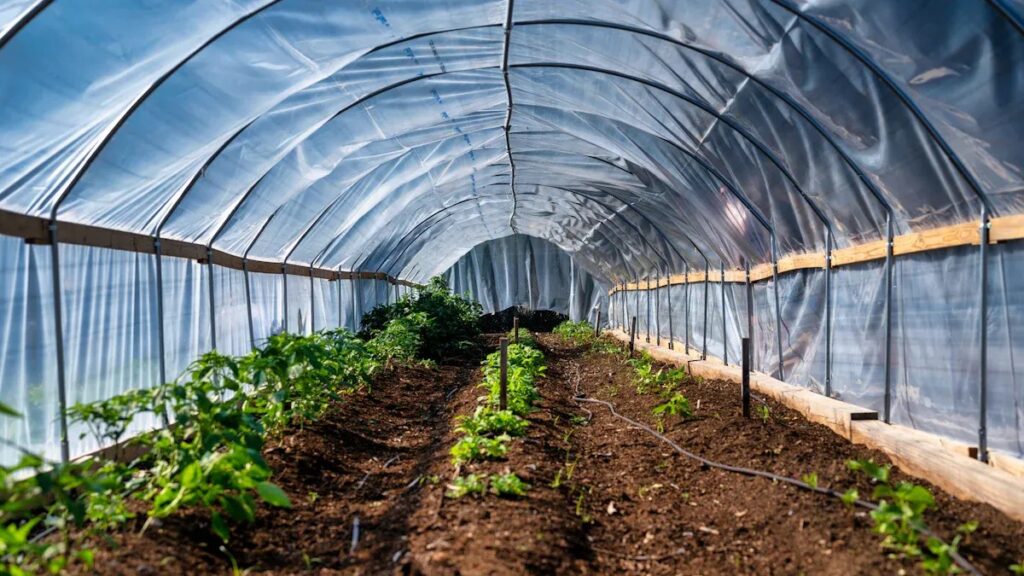
Environmental control for crop growth
Agricultural shade nets create a favorable microclimate for crops by regulating light, temperature, and humidity. These nets reduce direct sunlight exposure, preventing heat stress and enabling plants to thrive even in extreme weather conditions. Different colored shade nets manipulate light spectra, enhancing plant growth and quality. For instance, blue nets enrich blue light spectra, while red nets amplify red and far-red light, promoting optimal growth.
🌱 Tip: Using agro shade nets can help you maintain consistent temperature control, ensuring your crops grow in ideal conditions year-round.
Studies show that black, blue, and red nets positively impact tea plant growth indices and photosynthetic rates while lowering temperatures. This environmental control not only boosts crop productivity but also improves the overall quality of your produce.
Protect crops from UV exposure.
Excessive UV radiation can harm plants, reducing their yield and quality. Agro shade nets act as a protective barrier, filtering harmful UV-A and UV-B rays. Research highlights that light-selective sunshade nets significantly decrease UV radiation intensity, with white nets offering the most substantial reduction.
| Material Used | Improvement in Yield (%) | Improvement in Leaf Area Index (LAI) |
|---|---|---|
| Woven Covers | Significant Increase | Significant Increase |
| LDPE Plastic Covers | Significant Increase | Significant Increase |
By shielding crops from UV exposure, shade nets enhance their resilience against environmental stressors. This protection ensures healthier plants and higher yields, making them an essential tool for modern farming.
Water retention and conservation
Shade nets contribute to improved water retention by reducing evaporation rates. This feature is particularly beneficial in regions facing water scarcity. The nets create a controlled environment that conserves moisture in the soil, ensuring plants receive adequate hydration.
💧 Note: Improved water retention under shade nets can reduce your irrigation needs, saving both water and energy.
Studies reveal that shade nets scatter incoming light by approximately 50%, which helps maintain soil moisture levels. This conservation technique not only supports sustainable farming practices but also promotes healthier crop growth.
Pest and disease management
Agro shade nets play a crucial role in pest and disease management. By acting as a physical barrier, they prevent pests like codling moths and apple maggots from infesting crops. Research indicates that hail net treatments reduce codling moth populations by 94% and apple maggot populations by 96%, outperforming conventional insecticide methods.
Additionally, photo-selective shade nets filter solar radiation, creating an environment less conducive to pest proliferation. This protection minimizes the risk of diseases and ensures better crop health. Diversified shade in agroforests has also been linked to biological pest control, further emphasizing the benefits of shade nets in pest management.
Types of Agro Shade Nets and Their Applications
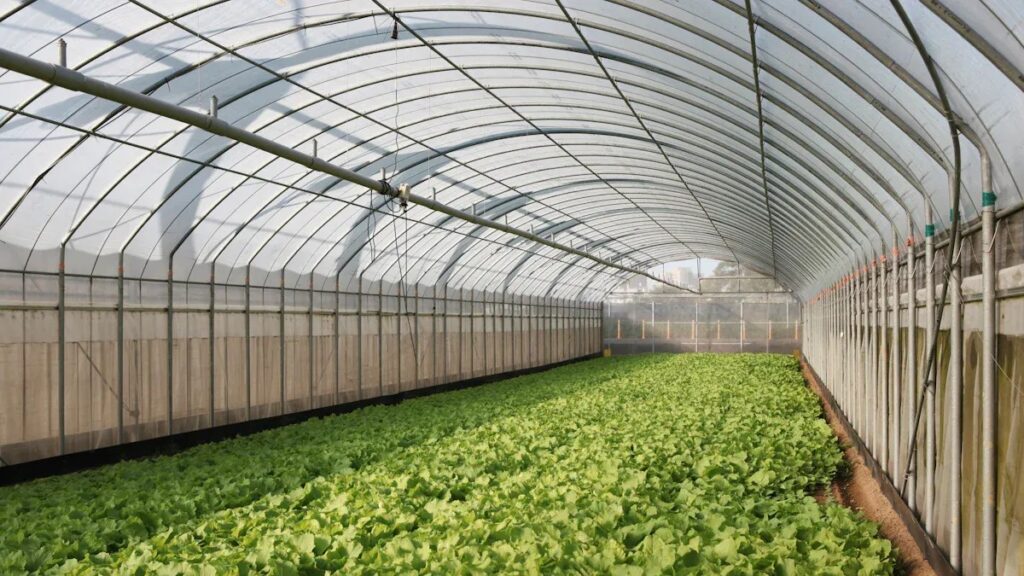
Shade net classification by shading percentage
Agricultural shade nets are classified based on their shading percentage, which determines the amount of sunlight they block. This classification helps you choose the right net for your crops, ensuring optimal growth conditions. The shading percentage typically ranges from 30% to 90%, catering to the specific needs of different plants.
| Shade Percentage | Suitable Plants | Effect on Growth |
|---|---|---|
| 50% | Moderate light plants | Blocks halfthe sunlight, ideal for growth |
| 75% | Young seedlings, lettuce | Provides lower light, promotes health |
| 30% | Sun-loving plants like tomatoes | Allows more sunlight for optimal growth |
For instance, a 50% shade net works well for moderate light plants, offering cooling and protection from sunburn. On the other hand, a 30% shade net is ideal for sun-loving crops like tomatoes, as it allows more sunlight to reach the plants. By selecting the appropriate shading percentage, you can regulate temperatures and humidity, creating a favorable microclimate for your crops.
🌱 Tip: Use a 75% shade net for nurseries to protect young seedlings from extreme weather conditions and UV exposure.
Applications for specific crops
Different crops thrive under specific shading conditions. Agro shade nets are versatile and can be tailored to meet the unique requirements of various plants. For example:
- Vegetables: Crops like lettuce and spinach benefit from 75% shade nets, which reduce water usage and prevent diseases caused by excessive sunlight.
- Fruits: Strawberries and grapes require 50% shade nets to maintain moisture retention and improve the quality of produce.
- Nurseries: Shade net for nursery applications often uses 75% shading to protect delicate seedlings from pests and diseases.
Using the right shade net ensures protection from pests, sunburn, and extreme weather conditions. It also extends the growing season, allowing you to cultivate crops year-round.
🍓 Note: A well-chosen shade net not only enhances crop health but also leads to an improved quality of produce.
Material options and durability
Agro shade nets come in various materials, each offering unique benefits. The most common options include:
- High-Density Polyethylene (HDPE): Lightweight, durable, and resistant to UV rays. HDPE nets are ideal for long-term use in agricultural shade nets.
- Knitted Nets: Flexible and tear-resistant, these nets are perfect for areas prone to strong winds.
- Woven Nets: Known for their strength, woven nets provide excellent protection from pests and diseases.
When selecting a shade net, consider its durability and resistance to environmental factors. High-quality materials ensure longevity and reduce maintenance costs. Proper installation and regular cleaning further enhance the lifespan of your shade net.
🛠️ Pro Tip: Invest in HDPE shade nets for nursery setups to ensure long-lasting protection and reduced maintenance efforts.
Installation and Maintenance of Shade Net House
Proper installation steps
Installing a shade net house correctly ensures its effectiveness and durability. Begin by measuring the area where the shade net will be placed. Accurate measurements prevent gaps and ensure full coverage. Next, unfold the shade netting over the frame, ensuring it covers the entire structure. Secure the net to surrounding structures or trees using appropriate fixings like ropes or clips. This step prevents the net from shifting during strong winds. Finally, inspect the setup for exposed sharp ends or gaps that could harm plants or compromise the net’s integrity.
| Step | Description |
|---|---|
| 1 | Measure the area for shade netting placement beforehand. |
| 2 | Unfold the shade netting over the frame, ensuring complete coverage. |
| 3 | Secure the shade to surrounding structures or trees with appropriate fixings. |
| 4 | Check for exposed sharp ends or gaps that could harm plants. |
🛠️ Tip: For nursery setups, use high-quality fixings to ensure the shade net remains stable and provides consistent protection for delicate seedlings.
Maintenance tips for longevity
Proper maintenance extends the lifespan of your shade net house. Regularly clean the net to remove dirt, debris, and algae buildup. This prevents blockages that could reduce light transmission. Inspect the net periodically for tears or wear and repair them promptly to avoid further damage. Ensure the supporting structures remain sturdy and free from rust or decay. During seasonal changes, adjust the net’s tension to accommodate varying weather conditions.
🌱 Note: For nursery applications, prioritize cleaning and inspections to maintain optimal conditions for young plants.
Challenges and considerations
While shade nets offer numerous benefits, they come with challenges. Strong winds can damage poorly secured nets, reducing their effectiveness. High-quality materials and proper installation mitigate this risk. Over time, UV exposure can degrade the net’s material, requiring replacement. Investing in UV-resistant nets minimizes this issue. Additionally, selecting the wrong shading percentage can hinder crop growth. Carefully assess your crops’ needs before choosing a net.
⚠️ Alert: For nurseries, ensure the shading percentage aligns with the light requirements of your seedlings to avoid stunted growth.
Agro shade nets offer numerous advantages that revolutionize modern farming. They enhance crop protection, conserve water, and reduce pest infestations, creating an optimal environment for plant growth. These nets also promote sustainable practices by minimizing chemical pesticide use and adapting to climate challenges. As global food demand rises, adopting a shade net house ensures higher yields and resource efficiency.
🌱 Note: The advantages of shade net house setups extend beyond productivity, fostering eco-friendly farming methods that benefit both growers and the environment.
By integrating shade nets into your agricultural practices, you can achieve better crop quality, improved sustainability, and long-term cost savings.
 English
  German
  French
  Japanese
  Spanish
  Russian