
Birds are important to nature. However, when they disrupt farming, buildings, or businesses, they can cause real issues. Whether it’s crop damage in fields or pest control in urban areas, the impact of birds can be significant. Thankfully, bird netting offers a simple and effective solution.
Various industries widely use this type of protective netting to safeguard valuable resources from bird-related damage. In this article, we will look at the many uses of bird netting. We will see how it helps farmers, property owners, and businesses.

1. Protecting Crops from Birds
Birds can be a significant threat to crops, especially fruits, vegetables, and seeds. Farmers growing produce like grapes, strawberries, tomatoes, and apples often face challenges due to birds feasting on their harvests. Bird netting offers an excellent way to prevent these animals from accessing crops. The netting acts as a physical barrier, allowing light and air to flow freely while keeping birds at bay.
This cover helps farmers keep their crops safe. It ensures that birds do not damage or take their produce. No matter if you grow organic crops or regular ones, bird netting can protect your investments from wildlife.
2. Vineyards and Orchards Protection
Vineyards and orchards are highly susceptible to bird damage, particularly during harvest season. Ripe fruits attract birds like crows, starlings, and pigeons, which can lead to significant losses for farmers. Using bird netting, farmers can cover rows of grapevines or fruit trees to prevent birds from reaching the fruits.
The netting lets sunlight in, which helps plants grow healthy. At the same time, it keeps annoying birds away from the crops. By using good bird netting, vineyard and orchard owners can protect their crops. This helps reduce waste and increases profits over time.
3. Protecting Buildings and Structures
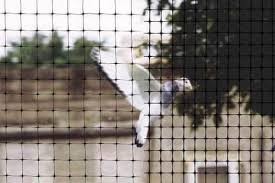
Birds are also a nuisance in urban settings, where they often roost in buildings, factories, warehouses, an
d commercial properties. Their nests and droppings can cause significant damage to roofs, walls, and other surfaces. Bird droppings are acidic and can damage materials. Nests can block vents or air ducts, causing ventilation problems.
Bird netting serves as an efficient barrier to keep birds from nesting or roosting in unwanted areas. By covering ledges, windowsills, and roof spaces, property owners can prevent the birds from causing damage. The netting doesn’t interfere with the aesthetics of the building and allows natural light to continue filtering through.
4. Maintaining Food Safety in Processing Areas
In food processing and storage facilities, bird control is essential to ensure that food products remain safe for consumption. Birds in these areas can contaminate food with droppings, feathers, and debris, posing serious health risks. Using bird netting is crucial for creating a hygienic environment that excludes birds from sensitive areas.
Installing netting in warehouses, food factories, and processing plants helps businesses prevent contamination. It also ensures they follow food safety standards. This is especially important in organic food processing or industries where cleanliness is key to keeping products safe.
5. Preventing Bird Damage to Agricultural Equipment
Birds also cause damage to agricultural equipment, greenhouses, and other farming structures. They tend to nest in machinery or on roofs, leading to rust, dirt, an
d droppings that can degrade equipment and structures over time. Bird netting can cover machines or enclosed areas like greenhouses. This helps keep birds from settling in these spaces.
This helps farmers keep their equipment in good shape. It also prevents extra costs from cleaning and fixing bird damage. Netting is a smart way to protect farm infrastructure without relying on expensive repairs or harsh chemicals.
6. Humane Bird Control Solution
One of the biggest advantages of bird netting is that it provides a humane way to control bird populations. Unlike chemical repellents or traps, bird netting doesn’t harm the birds; it simply blocks their access to certain areas. This makes it an ethical choice for those looking to manage bird activity without causing harm to the animals.
Farmers and property owners can use netting to protect their crops, buildings, and equipment. This also helps support responsible wildlife management.
7. Cost-Effective and Long-Term Solution
While the initial investment in bird netting may seem substantial, it proves to be cost-effective over time. By preventing bird damage, farmers and property owners can avoid the costly consequences of crop losses, repairs, and contamination. Bird netting helps reduce the need for frequent maintenance and costly pest control measures, such as pesticides or traps.
In the long run, netting pays for itself. It reduces waste, improves crop yields, and keeps farm equipment and buildings in good shape.
8. Versatility and Flexibility
One of the key benefits of bird netting is its versatility. People can use it in many places, like farms, vineyards, businesses, and city buildings.
Bird netting is flexible. You can use it for many needs. You can cover a small vegetable garden or enclose a large orchard.
Netting comes in different sizes, mesh configurations, and material strengths to cater to a wide range of applications. You can find the right bird netting for any space. Whether you have a big farm or a small rooftop garden, there is a good choice for you.
Bird netting is an indispensable tool for anyone dealing with bird-related challenges in agriculture or urban settings. Bird netting is a good way to protect crops, buildings, and food processing areas. It helps keep them safe from contamination.
It is effective, humane, and cost-efficient. By preventing damage, reducing maintenance costs, and maintaining hygiene standards, bird netting provides a wide range of benefits.
If you want to keep birds away from your crops, equipment, or property, we can help. Visit OMB Textiles for our bird netting solutions. We offer durable and reliable products designed to meet the needs of both small-scale and large-scale applications.
 English
  German
  French
  Japanese
  Spanish
  Russian