
Birds can cause significant damage to crops, threatening yields and farmer livelihoods. By creating a physical barrier, bird nets offer a proven solution to this challenge.
A growing body of research has shown that exclusion nets are effective in preventing or significantly reducing crop damage from various pests including birds, and they are now widely used for a range of agricultural commodity crops.
Studies highlight their effectiveness in various scenarios:
- Bird damage was significantly lower in netted rows compared to control rows in high-density sweet cherries.
- Installing netting a few weeks before harvest reduced bird damage and minimized the presence of pests like Spotted Wing Drosophila, without harming fruit quality.
Using bird nets can help you protect your crops while maintaining their quality, making them an essential tool for modern agriculture.
Key Takeaways
- Bird nets act as a shield to keep birds away. This helps crops grow better and increases the amount harvested.
- Using bird nets means fewer chemicals are needed, making it safer for the environment.
- Setting up and taking care of bird nets is important. This helps them work well and last longer.
- Bird nets stop birds and also block other pests. They protect crops from bad weather too, helping plants grow healthier.
- Spending money on bird nets can save money later. They stop crop damage and lower the need for costly fixes.
How Bird Nets Work
Physical barrier against birds
Bird nets act as a robust physical barrier that prevents birds from accessing crops. By covering plants with a protective layer, you can effectively shield them from bird-related damage. This method not only safeguards your harvest but also enhances the overall health of your crops. Research highlights that bird netting improves crop yields by reducing environmental stressors caused by bird interference.
The design of bird nets ensures that they exclude birds without harming them. For example, Ultra Net creates an impenetrable barrier that keeps pest birds away while allowing sunlight and rain to nourish your plants. This balance ensures that your crops remain healthy and productive throughout the growing season.
Materials used in bird nets
Bird nets are typically made from lightweight yet durable materials like polyethylene. This material offers several advantages, including resistance to wear and tear, UV protection, and flexibility for easy installation. The lightweight nature of polyethylene nets ensures that they do not damage delicate plants while providing long-lasting protection.
The durability of these nets makes them suitable for various agricultural applications. Whether you are protecting a small garden or a large farm, the material’s strength ensures that your investment will last for multiple growing seasons. Additionally, the fine mesh design allows essential elements like air, sunlight, and water to pass through, ensuring optimal growing conditions for your crops.
Humane deterrence methods
Bird nets provide a humane solution for bird control by preventing access without causing harm. Unlike chemical deterrents or lethal methods, nets offer a non-lethal approach that respects wildlife. When combined with other humane deterrence methods, such as the AVIX Autonomic Laser System, you can achieve even greater effectiveness.
| Method | Effectiveness | Notes |
|---|---|---|
| AVIX Autonomic Laser System | 70% reduction | Proven effective and respects wildlife’s well-being in business settings. |
By integrating bird nets with humane technologies, you can create a comprehensive bird management strategy. This approach not only protects your crops but also aligns with ethical farming practices, ensuring a sustainable and responsible agricultural system.
Benefits of Bird Nets
Preventing crop damage
Bird nets serve as a reliable solution to prevent crop damage caused by birds. By creating a physical barrier, they stop birds from accessing fruits, vegetables, and grains, ensuring your harvest remains intact. Sweet cherry producers, for instance, have reported significant economic losses due to bird damage when no management strategies are used. Without bird nets, the societal cost of crop damage could rise to $185–$238 million immediately and $21–$29 million in the long term. These figures highlight the importance of bird nets in reducing losses and protecting your crops effectively.
Bird nets also help maintain the quality of your produce. Birds often peck at fruits, leaving them bruised or damaged, which lowers their market value. By using bird nets, you can safeguard your crops from such harm, ensuring they remain fresh and appealing to buyers. This makes bird nets an essential investment for farmers and gardeners looking to maximize their yields and profits.
Reducing reliance on chemical deterrents
Chemical deterrents have long been used to manage bird-related crop damage, but they come with drawbacks. Many chemicals are ineffective against certain bird species, and their use can harm the environment. Bird nets offer a sustainable alternative, reducing your dependence on chemical repellents while providing consistent protection.
Comparative data shows that chemical bird repellents are often less effective than other deterrent methods. For example, sonic devices, reflective tapes, and predator models have proven effective, while chemical repellents frequently fail to deter pest birds. Bird nets eliminate the need for these unreliable solutions, offering a more dependable and eco-friendly approach to crop protection.
| Deterrent Method | Effectiveness in Deterring Pest Birds |
|---|---|
| Portable speaker with alarm/distress calls | Effective |
| Sonic device (13.5 kHz–45.5 kHz) | Effective |
| Moving bird predator model | Effective |
| Reflective compact disc | EffectiveHigh-visibility |
| y reflective tapes | Effective |
| Sonic device (24.5 kHz–45.5 kHz) | Ineffective |
| Chemical bird repellent | Ineffective |
By choosing bird nets, you can adopt a humane and environmentally friendly strategy that aligns with modern agricultural practices. This shift not only benefits your crops but also contributes to a healthier ecosystem.
Long-term cost savings
Bird nets provide significant cost savings over time, making them a smart investment for crop protection. Their durability ensures they last for multiple growing seasons, reducing the need for frequent replacements. Additionally, bird nets have been successfully implemented in high-profile locations like government buildings, hospitals, and schools, demonstrating their effectiveness in minimizing bird-related issues and associated costs.
- Bird nets reduce the need for expensive chemical treatments and other deterrent methods.
- Their long lifespan lowers maintenance and replacement expenses.
- They protect crops from damage, ensuring higher yields and better profits.
By investing in bird nets, you can save money while safeguarding your crops. Their ability to prevent damage and reduce reliance on other costly measures makes them an economical choice for farmers and gardeners alike.
Types of Bird Nets

Knotted and Knotless Nets
When choosing bird nets, you will encounter two primary types: knotted and knotless. Knotted nets are made by tying individual threads together, creating a strong and durable structure. These nets are ideal for areas prone to high winds or heavy bird activity. Their robust design ensures they can withstand significant wear and tear, making them a reliable choice for long-term use.
Knotless nets, on the other hand, are woven without knots, resulting in a smoother and lighter material. This type of netting is less abrasive, reducing the risk of damaging delicate crops like berries or flowers. Knotless nets are easier to handle and install, making them a popular choice for smaller farms or gardens. Both options offer effective crop protection, but your choice will depend on your specific needs and the type of crops you grow.
Lightweight Nets for Small-Scale Use
Lightweight bird nets are perfect for small-scale applications, such as home gardens or small orchards. These nets are typically made from polyethylene, which is both flexible and easy to manage. Their lightweight nature simplifies installation, allowing you to cover your crops quickly without requiring specialized tools.
These nets often feature smaller mesh sizes, which keep out even the tiniest birds while allowing sunlight and air to pass through. Some lightweight nets come with grommets or pre-cut edges, further streamlining the installation process. While they may not last as long as heavy-duty options, lightweight nets provide an affordable and practical solution for protecting smaller crop areas.
Heavy-Duty Nets for Large Agricultural Areas
For large-scale farming operations, heavy-duty bird nets offer unmatched durability and performance. These nets are often made from materials like nylon or high-density polyethylene, which resist stretching, sagging, and UV damage. Their strength makes them suitable for protecting expansive fields or high-value crops like vineyards and orchards.
Heavy-duty nets are designed to endure harsh environmental conditions, including strong winds and heavy rainfall. They also come in various mesh sizes, allowing you to tailor the netting to your specific pest control needs. While these nets require more effort to install due to their weight, their long lifespan and effectiveness make them a worthwhile investment for large agricultural areas.
Tip: Consider specialty nets with UV stabilization or custom mesh sizes for added protection and longevity.
Installing Bird Nets
Selecting the right net size and material
Choosing the correct net size and material is crucial for effective crop protection. Different agricultural needs require specific net types. For example, shade nets work well for heat-sensitive crops, while anti-insect nets are ideal for pest-prone plants. Consider climatic conditions, pest problems, and crop type when selecting your net.
| Net Type | Purpose | Best For | Material | Features |
|---|---|---|---|---|
| Shade Nets | Sunlight reduction | Heat-sensitive crops, agriculture greenhouses | PP Mesh | UV-resistant, temperature control |
| Anti-Insect Nets | Pest protection | Fruit trees, vegetables | PP Fabric | Small mesh sizes, UV-resistant |
| Anti-Bird Nets | Bird deterrent | Fruit orchards, grain crops | PVC Tarpaulin | Bird-friendly design, durable material |
| Anti-Hail Nets | Hail protection | Vineyards, fruit trees | PP Mesh | Tear-resistant, weatherproof |
| Olive Nets | Harvesting aid | Olive farms | PP Fabric | Harvesting efficiency, protects olives |
| Construction Safety Nets | Worker protection | Agricultural construction sites | PP Mesh | Strong, visible, protects workers |
| Bale Nets | Hay bundling | Hay production farms | PVC Tarpaulin | Stretchable, secure hay bundling |
Additionally, ensure the material is easy to install and maintain. Durable options like UV-resistant polyethylene or PVC tarpaulin provide long-term protection and withstand harsh weather conditions.

Proper installation techniques
Installing bird nets correctly ensures maximum effectiveness. Follow these steps for a seamless setup:
- Measure and plan the area to cover.
- Gather essential tools like garden stakes, zip ties, and scissors.
- Prepare the area by clearing debris and supporting plants.
- Secure the netting above the plants using stakes or poles.
- Attach the netting tightly to prevent gaps.
- Trim any excess netting carefully.
Proper installation prevents birds from finding entry points and ensures the net remains stable during adverse weather conditions. Tight attachment and careful trimming enhance durability and reduce maintenance needs.
Maintenance for durability
Regular maintenance extends the lifespan of bird nets and ensures consistent crop protection. Inspect the netting periodically for tears or gaps. Repair damaged sections promptly to prevent birds from accessing your crops. Clean the nets to remove dirt and debris that may weaken the material over time.
Store unused nets in a dry, shaded area to prevent UV damage and material degradation. For heavy-duty nets, consider applying UV-protective sprays to enhance their resilience. By maintaining your bird nets, you can maximize their effectiveness and safeguard your investment for years to come.
Additional Advantages of Bird Nets
Protection from other pests and animals
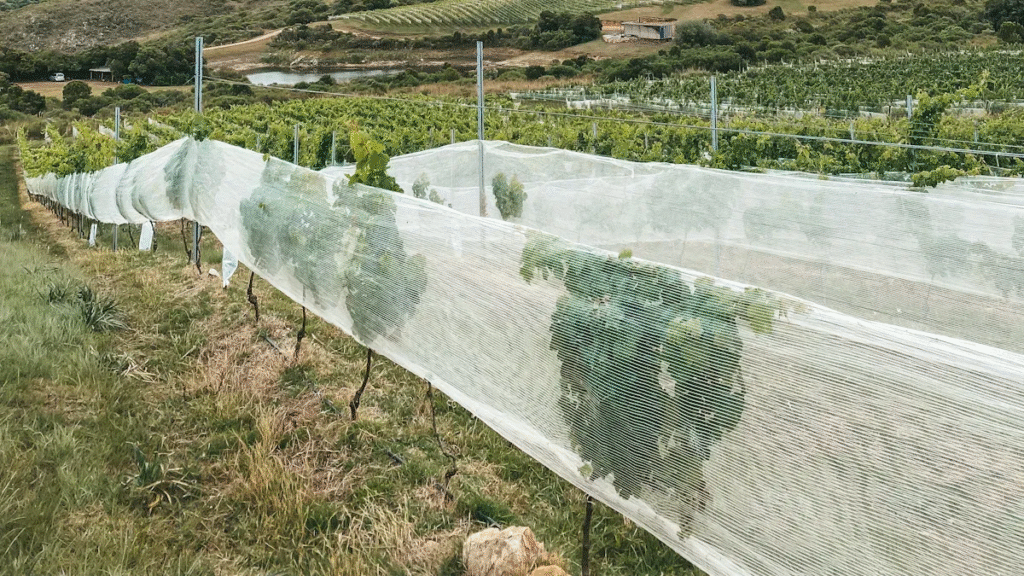
Bird nets not only deter birds but also protect crops from other pests and animals. Their versatility makes them a valuable tool for safeguarding gardens and farms. Pop-up bird netting effectively keeps birds away from berries and greens, while wire crop coops prevent damage from animals like bunnies and deer. For ripening fruits, crop cages offer reliable protection against both birds and animal pests.
By using bird nets, you can reduce property damage caused by wildlife. They also minimize noise disturbances from bird activity and lower health risks associated with bird droppings. These benefits make bird nets an essential investment for maintaining a clean and productive agricultural environment.
Creating a micro-climate for crops
Bird nets contribute to creating a favorable micro-climate for crops, enhancing their growth and resilience. Shading nets, for instance, reduce floral bud damage and protect young vegetative shoots from environmental stress. Comparative studies show that crops under silver 60% shading nets experience significantly less damage and exhibit improved physiological traits.
| Measurement Type | Control Group Results | Silver 60% Shading Nets Results |
|---|---|---|
| Floral Bud Damage (%) | 93% | 4% |
| Damage to Young Vegetative Shoots (1-5 scale) | 4.35 | 0.5 |
| CO2-Assimilation Rate | Higher or Similar | Higher or Similar |
| Stomatal Conductance | Higher or Similar | Higher or Similar |
| Trunk Diameter | N/A | Higher |
| Flowering Intensity | N/A | Higher |
These nets not only protect crops but also optimize their growing conditions, ensuring healthier yields and better quality produce.
Shielding crops from environmental factors
Bird nets act as a shield against environmental factors that can harm crops. They reduce exposure to harsh sunlight, heavy rainfall, and strong winds, which can damage delicate plants. By creating a controlled environment, bird nets help crops thrive even in challenging weather conditions.
Their ability to filter sunlight and regulate airflow ensures that crops receive the right balance of light and ventilation. This protection enhances plant health and reduces the risk of disease caused by excessive moisture or heat. With bird nets, you can safeguard your crops from unpredictable weather while maintaining optimal growing conditions.
Bird nets provide a reliable solution for protecting crops from birds. They create a physical barrier that prevents costly losses while allowing beneficial insects to support crop growth. By keeping birds away, you reduce health risks associated with droppings and parasites, ensuring a safer farming environment. Their cost-effectiveness and ease of installation make them a practical choice for modern agriculture.
Selecting the right type of bird net and installing it properly maximizes its effectiveness. Evaluate your specific needs, such as crop type and farm size, to choose the best solution. With bird nets, you can safeguard your harvest, improve yields, and contribute to sustainable farming practices.
 English
  German
  French
  Japanese
  Spanish
  Russian