
You can use anti-bird netting to protect your property from bird-related damage while maintaining a humane approach. This versatile tool has become increasingly popular for safeguarding gardens, buildings, ponds, and farms. The market for bird protection nets is expanding by 6% annually, reflecting their growing adoption. For instance, vineyard owners in California have reported up to a 30% increase in grape yield after installing these systems. This shows how effectively anti-bird netting can prevent losses and improve productivity. Whether you aim to secure crops, water features, or structures, this solution offers long-lasting benefits.
Protecting Gardens and Crops
Preventing damage to fruits and vegetables
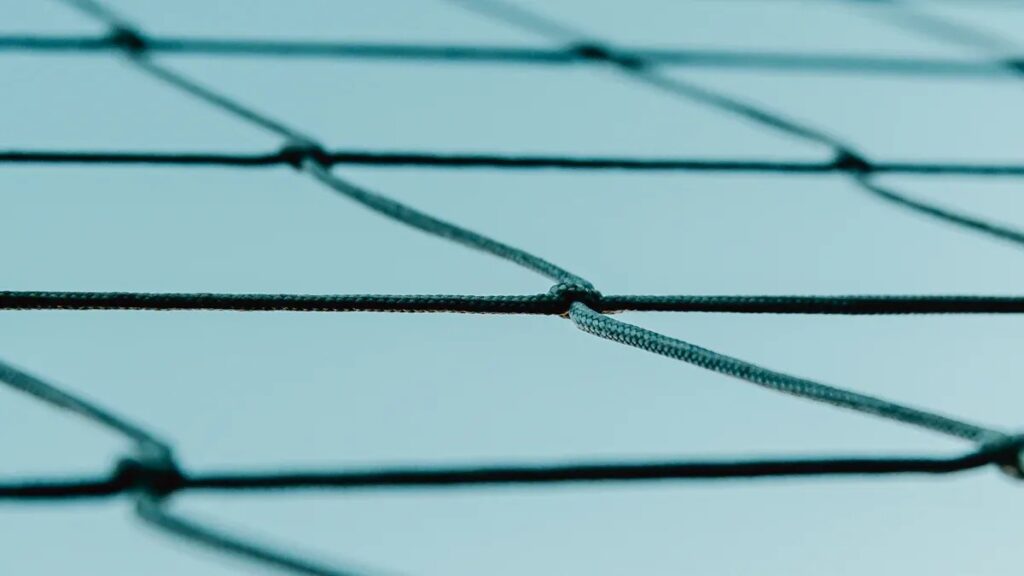
Birds can cause significant damage to fruits and vegetables in your garden. They often target ripened produce like blueberries, grapes, and tomatoes, leaving you with reduced yields. Anti-bird netting offers an effective solution by creating a physical barrier that prevents birds from accessing your crops. This method is widely recognized as one of the most reliable ways to protect fruits and vegetables.
- It shields herb gardens and low-growing fruit plants from pest birds.
- It prevents both ground and aerial attacks on fruit trees and orchards.
- The netting can be designed to blend into the environment, maintaining the aesthetic appeal of your garden.
A study on single-row exclusion nets highlights their effectiveness in preserving crops without harming bird populations. The table below summarizes key findings:
| Findings | Description |
|---|---|
| Effectiveness of single-row exclusion nets | These nets are an effective pest control strategy for preserving crops. |
| Bird abundance and species richness | Organic orchards with nets maintain similar bird abundance and species richness. |
| Comparison with IPM orchards | IPM orchards show reduced bird abundance and species richness compared to netted organic orchards. |
While anti-bird netting is highly effective, you should consider the cost and labor involved in installation. However, the long-term benefits, such as reduced crop losses, often outweigh these initial investments.
Safeguarding ornamental plants
Ornamental plants enhance the beauty of your garden, but birds can damage them by pecking at flowers or uprooting seedlings. Anti-bird netting provides a simple yet effective way to protect these plants. The nets allow light and air to circulate, ensuring your plants remain healthy while keeping birds at bay.
- The netting prevents birds from accessing and damaging ornamental plants.
- It is made from durable materials that withstand various weather conditions.
- Installation is straightforward and does not require specialized tools.
By using anti-bird netting, you can also reduce the need for pesticides, which benefits both the environment and your budget. This approach ensures your garden remains vibrant and free from bird-related damage.
Tips for small garden installations
If you have a small garden, installing anti-bird netting can be a manageable and rewarding task. Lightweight plastic mesh is an excellent choice for small spaces, as it is easy to handle and install.
- Choose netting that matches the size of the birds you want to deter. Smaller mesh sizes work well for smaller birds.
- Secure the netting tightly to prevent birds from slipping underneath. Use stakes or clips for added stability.
- Opt for environmentally friendly materials that can withstand weather changes.
Bird netting not only protects your plants but also encourages birds to seek alternative food sources, reducing their dependency on your garden. With proper installation, you can enjoy a thriving garden without worrying about bird damage.
Preventing Birds from Nesting in Structures
Protecting rooftops and balconies
Birds often seek rooftops and balconies as nesting sites due to their height and shelter. While this may seem harmless, it can lead to long-term issues such as structural damage and unsanitary conditions caused by droppings. Installing anti-bird netting is an effective way to prevent birds from accessing these areas. The netting acts as a physical barrier, ensuring birds cannot land or build nests.
To maximize effectiveness:
- Use durable materials that can withstand harsh weather conditions.
- Ensure the netting is installed tightly to eliminate gaps where birds might enter.
- Regularly inspect the netting for wear and tear to maintain its functionality.
In the UK, laws such as the Wildlife and Countryside Act 1981 protect wild birds, making it illegal to harm them or their nests intentionally. By using netting, you can deter birds humanely while complying with these regulations.
Deterring birds from industrial buildings
Industrial buildings, such as warehouses and factories, are particularly vulnerable to bird infestations. Birds often enter through open spaces, causing damage to machinery and creating health hazards due to droppings. Anti-bird netting provides a practical solution by sealing off entry points and preventing birds from roosting.
The industrial sector increasingly adopts bird deterrent systems to maintain hygiene and protect infrastructure. These systems help prevent costly repairs and reduce the risk of contamination in food processing or storage facilities. When installing netting in industrial settings:
- Focus on areas like vents, rafters, and loading docks where birds are most likely to enter.
- Choose netting with high tensile strength to ensure durability in large-scale applications.
- Work with professionals to design a custom solution tailored to your building’s needs.
By implementing these measures, you can safeguard your facility and create a safer, cleaner environment for employees and operations.
Humane bird deterrence considerations
While deterring birds is essential, it is equally important to do so humanely. Anti-bird netting offers a non-lethal method to prevent nesting without harming wildlife. However, you should take precautions to ensure the netting does not inadvertently trap or injure birds.
Here are some best practices for humane bird deterrence:
- Regularly check the netting for defects or trapped wildlife.
- Consider alternative solutions, such as installing nesting boxes or ledges in less problematic areas.
- Use netting with a mesh size appropriate for the bird species in your area to minimize risks.
Case studies highlight the effectiveness of humane bird deterrence systems. For example:
- A McDonald’s in Las Vegas successfully deterred pigeons using an electronic bird control device.
- At Wrigley Field, an electronic deterrent addressed pigeon challenges effectively.
- Laser bird repellents, proven 99% effective in studies, offer another humane option for urban environments.
By prioritizing humane methods, you can balance the need for bird control with ethical considerations, ensuring a positive outcome for both humans and wildlife.
Safeguarding Ponds and Water Features
Protecting fish from predatory birds
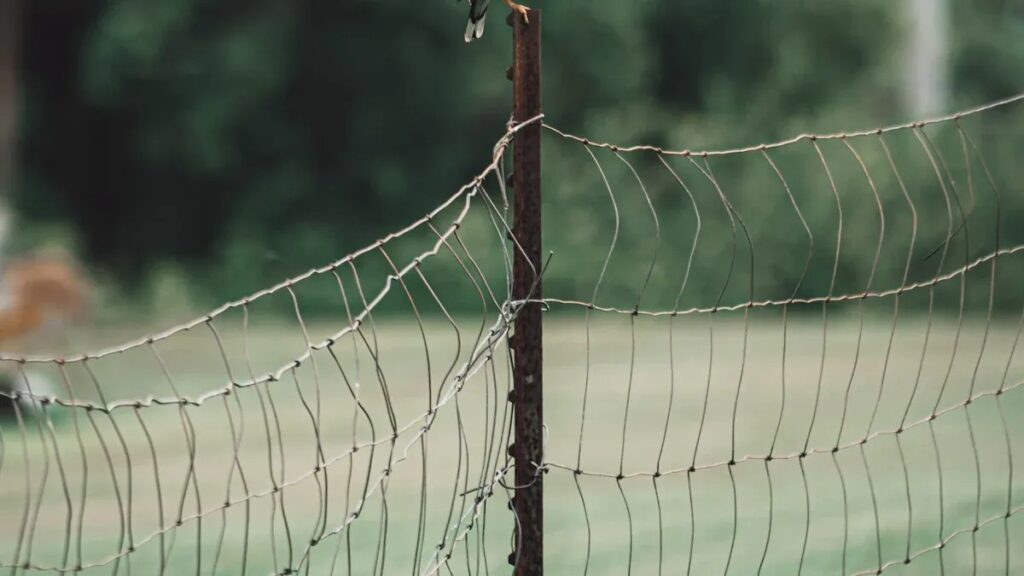
Ponds often attract predatory birds like herons and cormorants, which can significantly reduce fish populations. Anti-bird netting provides an effective solution by creating a physical barrier that prevents these birds from accessing the water. Proper installation is crucial to ensure the netting covers the entire pond and extends to the ground, leaving no gaps for birds to bypass.
- The netting acts as a shield, stopping herons from reaching into the water.
- It prevents cormorants from preying on fish in aquaculture and hatchery ponds.
- While effective, it may require a higher investment for larger ponds.
By using anti-bird netting, you can protect your fish while maintaining a humane approach to wildlife management.
Maintaining water cleanliness
Ponds and water features often accumulate debris, especially during autumn when leaves fall. Anti-bird netting not only deters birds but also helps keep your pond clean. By placing the netting over the water surface, you create a barrier that prevents leaves and other debris from entering the pond.
This dual-purpose solution ensures your pond remains clear and reduces the need for frequent cleaning.
Additionally, the netting allows sunlight to penetrate, supporting aquatic plants and maintaining a healthy ecosystem.
Selecting netting for aquatic environments
Choosing the right netting for your pond is essential for effective protection. Lightweight, durable materials work best for aquatic environments. Look for netting that allows light to pass through while providing a strong barrier against predators.
- Opt for UV-resistant netting to withstand prolonged sun exposure.
- Ensure the mesh size is small enough to block predatory birds but large enough to avoid obstructing light.
- Consider the aesthetic impact of the netting, as some options may be less visually appealing.
With the right netting, you can safeguard your pond while preserving its natural beauty.
Agricultural Applications
Shielding large-scale crops
Protecting large-scale crops from bird damage is essential for maintaining productivity and profitability. Anti-bird netting offers an effective solution by creating a barrier that prevents birds from accessing crops. This method is particularly beneficial for commercial farms, where even minor losses can have significant financial impacts.
Different types of netting cater to various agricultural needs. For instance:
| Type of Netting | Key Features | Applications in Agriculture |
|---|---|---|
| Woven Nets | Strong, durable, resistant to extreme conditions, UV protection, and air control | Greenhouse covers, windbreak screens, and commercial crops |
| Non-Woven Nets | Lightweight, cost-effective, good water retention, and disease protection | Organic farming, nurseries, and controlled microclimates |
| Technological Innovations | Antimicrobial treatment, self-healing properties | Precision agriculture, sustainable practices |
By selecting the right type of netting, you can ensure optimal protection for your crops while enhancing sustainability and efficiency.
Using netting in orchards and vineyards
Orchards and vineyards face unique challenges, such as sunburn, hail damage, and bird interference. Anti-bird netting not only deters birds but also provides additional benefits like reducing sunburn and improving fruit quality.
- Netting has been shown to significantly reduce sunburn in Vitis vinifera L.
- Under pod netting, only 16% of fruit experienced sunburn compared to 59% in the control group.
- A hailstorm caused only 5% damage to netted Granny Smith fruit, while uncovered fruit suffered 80% damage.
Growers also report a 20% reduction in water usage when using netted structures. These advantages make netting an indispensable tool for orchard and vineyard management.
Ensuring durability and weather resistance
Durability and weather resistance are critical factors when choosing agricultural netting. High-quality nets with UV stabilization can last up to 10 years, even in extreme weather conditions. This longevity reduces replacement costs and ensures uninterrupted protection during critical growing seasons.
Studies show that advanced polyester nets result in less than 5% crop loss due to hail damage over five years, compared to over 15% for less durable options. By investing in durable netting, you can minimize downtime and maximize the return on your investment.
Tip: Regularly inspect your netting for wear and tear to maintain its effectiveness and extend its lifespan.
Commercial and Other Uses
Protecting outdoor seating areas
Outdoor seating areas, such as those in restaurants, cafes, and parks, often attract birds looking for food scraps. This can lead to unpleasant experiences for customers and create hygiene concerns. You can use anti-bird netting to keep birds away from these spaces effectively. The netting acts as a discreet barrier, ensuring birds cannot access the seating area while maintaining an open and inviting atmosphere.
- Install netting above dining areas to prevent birds from swooping in.
- Use lightweight, transparent materials to preserve the aesthetic appeal of the space.
- Regularly inspect the netting to ensure it remains secure and functional.
By implementing this solution, you can create a more enjoyable and sanitary environment for your patrons.
Preventing bird access to warehouses
Warehouses often face challenges with birds entering through open doors or vents. Once inside, birds can damage goods, contaminate products, and disrupt operations. Anti-bird netting provides a reliable way to block entry points and protect your inventory.
Focus on areas where birds are most likely to enter, such as loading docks, windows, and ventilation systems. High-tensile netting works best for these applications due to its durability and strength. You can also combine netting with other deterrents, like sound devices, for added effectiveness.
Pro Tip: Partner with a professional installer to design a custom netting solution tailored to your warehouse layout.
This approach not only safeguards your products but also ensures compliance with health and safety standards.
Custom solutions for unique spaces
Not all spaces are straightforward to protect. Unique environments, such as historical buildings, sports arenas, or large atriums, require tailored solutions. Anti-bird netting can be customized to fit these spaces without compromising their functionality or appearance.
For example:
- In historical sites, netting can be designed to blend with the architecture.
- Sports arenas can use retractable netting systems to allow flexibility during events.
- Atriums and open spaces can benefit from nearly invisible netting to maintain their visual appeal.
Custom solutions ensure that even the most challenging spaces can benefit from bird protection. By working with experts, you can achieve a balance between practicality and aesthetics.
Anti-bird netting offers a practical and humane way to address bird-related challenges across various environments. You can use it to protect gardens, buildings, ponds, and agricultural spaces while maintaining cleanliness and preserving assets. Its versatility and eco-friendly design make it an ideal solution for both residential and commercial applications. To achieve the best results, explore high-quality netting options or consult professionals who can recommend tailored solutions for your specific needs.
Tip: Investing in durable anti-bird netting ensures long-term protection and peace of mind.
 English
  German
  French
  Japanese
  Spanish
  Russian