
A shade sail is a practical addition to your outdoor space. Made from UV-resistant fabric, it offers protection against harmful sun rays. Its growing popularity highlights its advantages:
- The waterproof shade sail market is growing at an 8% annual rate, proving its durability and cost-efficiency.
- In North America, demand is rising by 7% annually due to its effectiveness in enhancing outdoor comfort.
Benefits of shade sails for outdoor spaces
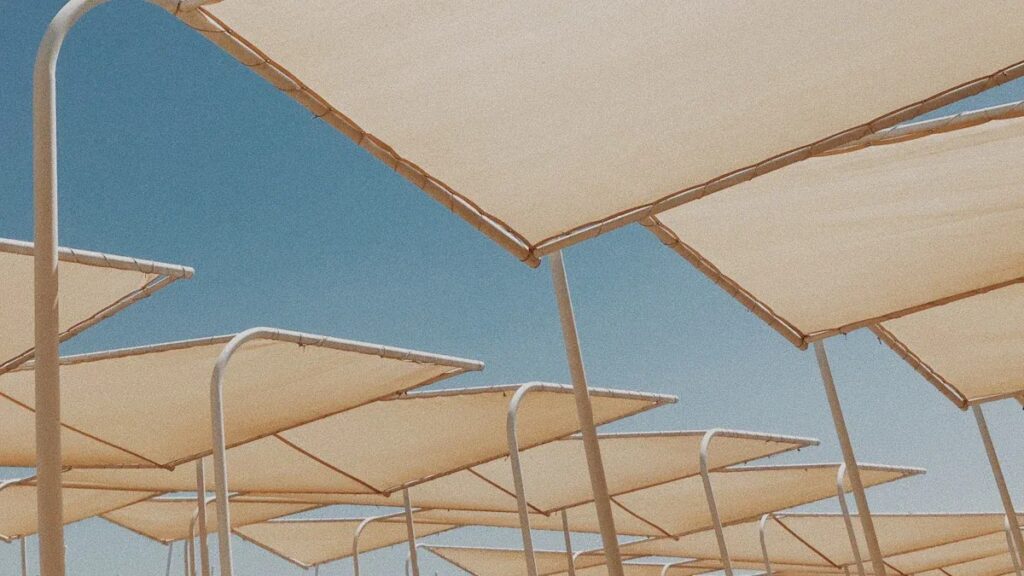
UV protection and skin safety
Shade sails provide exceptional protection against harmful ultraviolet (UV) rays. The fabric used in these sails is specifically designed to block up to 98% of UV radiation, reducing the risk of sunburn and long-term skin damage. By installing a shade sail in your outdoor space, you create a safer environment for your family and guests. This is especially important during peak sunlight hours when UV exposure is at its highest.
Tip: Position your shade sail strategically to maximize coverage during the hottest parts of the day. This ensures optimal protection for areas where people gather most frequently.
Comfort and temperature regulation
A well-placed shade sail can significantly improve the comfort of your outdoor space. By blocking direct sunlight, it helps lower the temperature beneath the canopy, creating a cooler and more enjoyable environment. This makes outdoor activities, such as dining or relaxing, much more pleasant, even on hot summer days.
Breathable fabrics used in many shade sails allow air to circulate freely, further enhancing comfort by preventing heat buildup. If you live in a region with high temperatures, this feature can make a noticeable difference in how you experience your outdoor space.
Energy efficiency and cost savings
Shade sails not only enhance comfort but also contribute to energy efficiency. By shading windows and outdoor areas, they reduce the amount of solar heat entering your home. This decreases the need for air conditioning, leading to lower energy bills.
Here’s a quick look at how shade sails impact solar heat gain:
| Window Orientation | Solar Heat Gain Reduction |
|---|---|
| South-facing | Up to 65% |
| West-facing | Up to 77% |
Additionally, studies show that cooling energy savings with awnings, including shade sails, can range from 17% to 72%, depending on the city. Even in areas with minimal air-conditioning use, shade sails provide comfort and aesthetic benefits, making them a worthwhile investment.
Enhancing the aesthetics of outdoor spaces
Shade sails are not just functional; they also add a touch of elegance to your outdoor spaces. Available in various shapes, colors, and designs, they allow you to customize the look of your space to match your personal style. Whether you prefer a modern, minimalist appearance or a vibrant, playful vibe, shade sails can complement your vision.
Their sleek and contemporary design enhances the visual appeal of patios, gardens, and other outdoor areas. By choosing the right color and shape, you can create a cohesive and inviting atmosphere that elevates the overall aesthetic of your property.
Types of shade sails and their advantages

Triangular and rectangular shade sails
Triangular shade sails are a popular choice for smaller outdoor spaces. Their three-point design allows for creative and dynamic installations, making them ideal for areas like patios or courtyards. These sails can overlap to create unique patterns, adding a modern aesthetic to your outdoor space. Square shade sails, on the other hand, provide broader coverage. Their four-point structure makes them perfect for larger areas such as playgrounds or parking lots. By combining triangular shade sails with square shade sails, you can achieve both functionality and visual appeal.
Tip: Use triangular shade sails in compact spaces to maximize shade without overcrowding the area.
Waterproof vs. breathable fabrics
Different types of shade sails offer varying levels of protection and comfort. Waterproof fabrics are excellent for areas prone to rain. They keep the space dry while maintaining durability. Breathable fabrics, made from high-density polyethylene (HDPE), allow air to circulate freely. This reduces heat buildup and creates a cooler environment. Both options are UV-stabilized to prevent fading and resist mold, mildew, and rot, ensuring long-lasting performance.
- Waterproof fabrics: Soft, durable, and stretchable, ideal for rainy climates.
- Breathable fabrics: Promote airflow, making them suitable for hot and dry regions.
Fixed vs. retractable designs
Fixed shade sails provide constant protection and require minimal maintenance. They are engineered for long-term durability, making them a reliable choice for permanent installations. Retractable designs, however, offer flexibility. You can adjust them based on weather conditions or personal preferences. While retractable systems require more frequent maintenance, they allow for dynamic control of light and ventilation.
- Fixed designs: Durable and low-maintenance, but less adaptable.
- Retractable designs: Flexible and versatile, but require active management.
Custom options for unique outdoor spaces
Custom shade sails cater to the specific needs of your outdoor space. They provide up to 98% UV protection, making them more effective than traditional umbrellas. Their breathable material enhances airflow, creating a cooling effect. Custom designs are available in various shapes, sizes, and colors, allowing you to match your aesthetic preferences. From playgrounds to golf courses, these sails enhance both functionality and curb appeal. Creative Shade Solutions, for instance, collaborates with municipalities to improve public parks with tailored shade structures, increasing usability and visual appeal.
Note: Custom shade sails are a great way to protect outdoor equipment and extend its lifespan.
Choosing the right shade sail for your outdoor space
Evaluating the size and shape of your space
Selecting the right shade sail begins with understanding the dimensions and layout of your outdoor space. Accurate measurements are essential to ensure the sail fits perfectly and provides optimal coverage. Consider the following factors:
- Area to be covered: Measure the length and width of the space you want to shade. This helps determine the appropriate size of the shade sail.
- Location of installation: Assess how much sunlight or rain the area receives. This will influence the shape and positioning of the sail.
For smaller spaces, triangular shade sails work well due to their compact design. Larger areas, such as patios or playgrounds, benefit from rectangular or square sails that offer broader coverage. By tailoring the size and shape to your specific needs, you can maximize both functionality and visual appeal.
Tip: Use a combination of triangular and rectangular shade sails to create unique patterns and enhance the aesthetics of your outdoor space.
Considering weather and climate factors
The weather and climate in your region play a significant role in choosing the right shade sail. Different materials and designs perform better under specific environmental conditions. The table below highlights key considerations:
| Factor | Description |
|---|---|
| Material Choice | Fabrics vary in UV blocking capabilities, crucial for sun protection. |
| Design Considerations | Customizing size and shape ensures better shading and complements the environment. |
| Climate Adaptation | Adjusting the design based on local weather improves cooling and shading efficiency. |
| Environmental Benefits | Shade sails reduce energy use and greenhouse gas emissions, promoting sustainability. |
If you live in a hot, sunny area, prioritize breathable fabrics that allow air circulation. For regions with frequent rain, waterproof materials are a better choice. Adapting your shade sail to the local climate ensures long-lasting performance and comfort.
Selecting the best material and color
The material and color of your shade sail significantly impact its functionality and appearance. High-density polyethylene (HDPE) and waterproof fabrics are the most common options. The table below compares their characteristics:
| Material | Characteristics | Performance Metrics |
|---|---|---|
| HDPE | Lightweight, UV-resistant, breathable, and water-repellent | Blocks 95%+ UV rays, allows airflow and drainage |
| Waterproof | Durable, leak-proof, and resistant to heavy rain | Maintains integrity during extreme weather |
When choosing a color, consider the following:
- Lighter colors reflect sunlight, keeping the shaded area cooler and brighter.
- Darker colors absorb heat, reducing glare and improving visibility.
- Lighter shades are ideal for creating a bright and airy atmosphere.
- Darker tones work well in areas where glare reduction is a priority.
By selecting the right combination of material and color, you can enhance both the functionality and aesthetics of your outdoor space.
Installation tips and professional guidance
Proper installation is crucial for the effectiveness and longevity of your shade sail. Follow these tips to ensure a secure and professional setup:
- Choose sturdy anchor points: Use walls, poles, or trees that can support the tension of the sail.
- Maintain proper tension: A taut sail prevents sagging and ensures stability during strong winds.
- Consider the angle: Install the sail at a slight slope to allow rainwater to run off, preventing pooling.
If you’re unsure about the installation process, consult a professional. Many companies specializing in commercial shade sails offer expert guidance and installation services. Their expertise ensures that your shade sail is securely installed and optimized for your outdoor space.
Note: Regular maintenance, such as cleaning and inspecting anchor points, extends the lifespan of your shade sail.
Shade sails offer a practical solution for outdoor comfort and protection. Their UV-blocking fabric shields you from harmful rays while enhancing the visual appeal of your space.
Tip: Evaluate your space size, climate, and design preferences before choosing a shade sail. This ensures optimal functionality and aesthetic harmony.
With the right selection, you can transform your outdoor area into a stylish and inviting retreat.
 English
  German
  French
  Japanese
  Spanish
  Russian