
Yes, a shade net does reduce heat. You benefit from cooler temperatures because the net blocks and filters solar radiation before it reaches the ground or your plants. The amount of heat reduction depends on factors like net color, density, and how you install it. For example, a 75% shade net can block about 75% of sunlight and heat, creating a much cooler environment for sensitive plants or outdoor areas.
| Shade Net Percentage | Approximate Sunlight and Heat Blocked (%) | Effect on Heat Reduction and the Environment |
|---|---|---|
| 35% | Blocks about 35% | Moderate heat and light reduction suitable for semi-shade environments |
| 50% | Blocks about 50% | Balanced protection reduces heat and water evaporation, lowers temperature by up to 20°F |
| 75% | Blocks about 75% | Substantial heat reduction, prevents heat stress, creates a cooler environment for sensitive plants and outdoor areas |
| 90% | Blocks about 90% | Maximum heat protection, ideal for extreme heat or very sensitive crops |

Principales conclusiones
- Shade nets reduce heat by blocking and filtering sunlight, creating cooler environments for plants and outdoor spaces.
- Choosing the right net color and density is crucial; light colors reflect heat while dark colors absorb it, and higher density blocks more sunlight and heat.
- Proper installation and maintenance of shade nets maximize cooling, protect plants, and prevent problems like heat buildup or poor airflow.
- Shade nets improve plant health by lowering temperature, reducing water loss, and increasing humidity, which leads to better growth and higher yields.
- Matching the shade net to your plants’ needs and local climate ensures the best results and helps create a comfortable, sustainable growing environment.
Shade Net Effectiveness
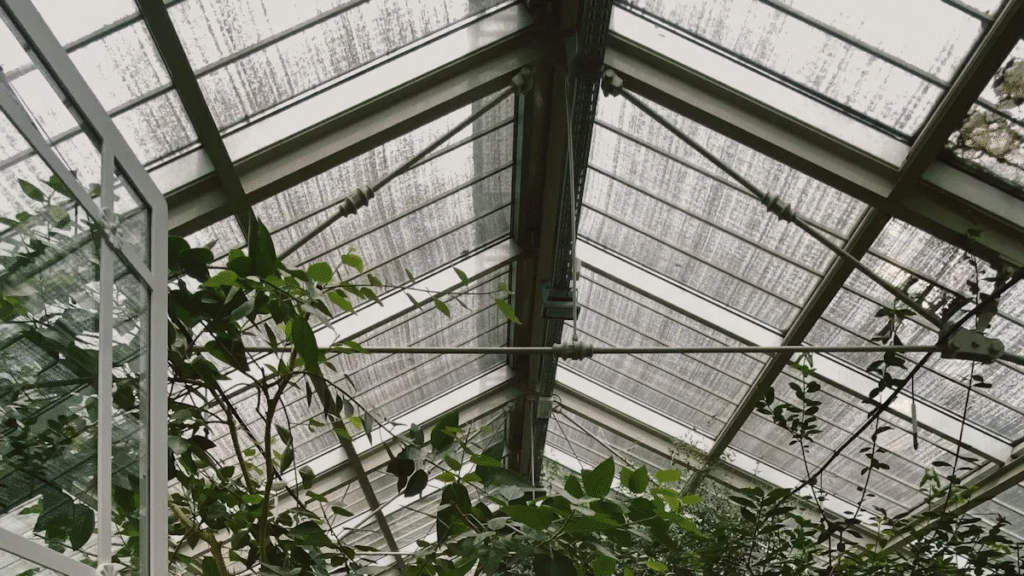
How Shade Nets Lower Temperature
You can rely on a shade net to create a cooler environment by blocking and filtering solar radiation. The net’s knitted plastic threads interact with sunlight in three main ways: absorption, reflection, and scattering. When sunlight hits the net, some of the energy gets absorbed by the material, some is reflected away, and only a portion passes through to the area below. This process reduces the amount of solar energy and photosynthetically active radiation (PAR) that reaches the ground or your plants.
The color and material of the net play a significant role in its effectiveness. For example, black nets absorb more heat, while lighter colors reflect more sunlight. Aluminum shade cloth stands out for its ability to reflect both light and radiant heat, making it a top choice for extremely hot climates or heat-sensitive crops. Many shade nets also feature UV stabilization and weather-resistant coatings, which help maintain their cooling properties over time.
Consejo: Using a shade net not only lowers air and leaf temperatures but also increases relative humidity underneath. This creates a more stable and comfortable microclimate for both plants and people.
Heat Reduction Amount
You can expect a measurable drop in temperature when you install a shade net. Research shows that a 50% shade net can lower air temperature by about 1.95°C (3.5°F) during peak sunlight hours. The actual reduction depends on the net’s density, color, and the local climate. For example, white shade cloth reflects more heat and can create a cooler microclimate compared to black nets, which tend to absorb and retain heat.
Here’s a quick look at how different crops respond to shade net coverage:
| Crop | Temperature Reduction (°C) | Temperature Reduction (°F) |
|---|---|---|
| Tomato | ~3.3 | ~6 |
| Cucumber | ~2.8 | ~5 |
Shade nets act as natural temperature regulators. They help protect plants from heat stress, reduce water evaporation, and improve overall plant health. Studies in semi-arid regions have shown that shade nets not only lower temperatures but also optimize light conditions, leading to taller, bushier plants and higher yields. You can also use shade nets outside of agriculture, such as in construction, recreation, and residential settings, to provide sun protection and create comfortable outdoor spaces.
Nota: The effectiveness of a shade net depends on choosing the right density and color for your specific needs. Always consider your local climate and the requirements of your plants or outdoor area.
Color and Density
Dark vs Light Shade Nets
Choosing the right color for your shade net directly affects how much heat and light reach your plants. Dark-colored shade nets, such as black and green, absorb more heat from the sun. This absorption helps maintain warmth under the net and reduces the intensity of sunlight, which benefits shade-loving plants. However, black shade cloth can trap heat, making it warmer underneath. In contrast, light-colored shade nets, like white or aluminum, reflect more sunlight and heat. This reflection creates a cooler environment below the net, which is ideal for crops that need protection from high temperatures.
Studies show that white shade cloth can reduce heat gain by up to 36% compared to black shade cloth. Reflective shade nets lower both leaf and greenhouse temperatures, making them a better choice in hot climates or when you want to prevent heat stress. Redes de sombra verdes offer a balance between light absorption and reflection. They reduce heat stress and improve humidity, creating a favorable microclimate for many fruits and vegetables.
| Aspecto | Ventajas | Desventajas |
|---|---|---|
| Heat and Microclimate | Green nets reduce heat stress and improve humidity, creating a favorable microclimate. | Susceptible to damage from sun exposure and water absorption, causing sagging. |
| Crop Suitability | Suitable for ornamentals and certain crops due to balanced light and humidity effects. | Not the best choice for all crop types; color influences effectiveness. |
| Durabilidad | – | Lower durability compared to metal or HDPE nets; prone to fading and discoloration over time. |
| Fire Safety | – | Lack of flame retardancy makes them vulnerable to fire, especially in drought conditions. |
| Stability | – | Instability in windy conditions requires regular maintenance and repairs. |
Density and Cooling
The density of a shade net, measured as a percentage, determines how much sunlight and heat it blocks. Higher density nets block more light and heat, creating cooler and more humid conditions underneath. Lower-density nets allow more sunlight through, which suits sun-loving crops. For example, a 30% shade net blocks about 30% of sunlight, making it suitable for tomatoes and cucumbers. Medium densities (50%-70%) work well for leafy greens and flowers that need protection from intense light. High-density nets (70%-90%) provide deep shade for ferns, orchids, or mushrooms.
| Shade Density (%) | Sunlight Blocked | Heat Blocked | Suitable Plants/Uses | Effects on Microclimate |
|---|---|---|---|---|
| 30% (Low) | ~30% | Moderado | Tomatoes, cucumbers, herbs | Balances light and heat, protects from heat stress |
| 50%-70% (Mediana) | 50%-70% | Higher | Leafy greens, flowers | Cooler, more humid, reduce water loss |
| 70%-90% (Alta) | 70%-90% | Más alto | Ferns, orchids, and mushrooms | Deep shade, maximum cooling |

Green shade nets are commonly used for fruits and vegetables because they balance light, temperature, and humidity, supporting healthy plant growth.
Choosing a Shade Net
Matching Plants and Climate
Selecting the right shade net starts with understanding your plants’ needs and the local climate. Different species require different levels of light and temperature. For example, lettuce and spinach thrive under higher shade percentages, while tomatoes and peppers perform best with less shading. In hot climates, you benefit from white or aluminum nets that reflect heat and keep plants cooler. The color of the net also influences plant growth. Red or blue nets can enhance vegetative growth, while white nets support flower quality. Choosing the right color and shade percentage helps protect your plants from heat stress and supports optimal growth.
You should also consider the material. Most shade nets are made from HDPE or Aluminet. HDPE nets offer durability and UV resistance, making them suitable for harsh weather and hail protection. Aluminet nets reflect sunlight and heat during the day and reduce heat loss at night, which helps regulate temperature in greenhouses. Your choice between these materials depends on your crop type, climate, and budget.
Consejo: Match the shade percentage to your plant type. Sun-loving crops like tomatoes and peppers do well with 20%-50% shade, while shade-loving plants such as ferns and orchids need 70%-90%.
Location Considerations
Your garden’s location and microclimate play a major role in shade net selection. Consider the orientation of your garden, nearby structures, and the presence of trees, as these factors affect sunlight exposure. Seasonal changes also matter. Use lighter densities, such as 30%, in spring to allow more sunlight for young plants. Increase density to 60% during peak summer to reduce heat and light intensity. In fall, reduce density to maximize available light as temperatures drop. Remove the net in winter to let in maximum sunlight.
Environmental conditions like humidity, wind speed, and sunlight angle also impact cooling performance. Proper air circulation and ventilation prevent heat buildup under the net. Always ensure secure installation and correct sizing for the best results.
Shade Net Installation

Best Practices
You can maximize cooling and plant protection by following a few essential installation steps. Start by selecting the right shade net for your crops and climate. Match the shade percentage, color, and material to your specific needs. Measure your area carefully to ensure full coverage. Secure the net tightly to a sturdy frame using clips, zip ties, or ropes. This prevents wind from displacing the net and keeps your structure stable during storms.
Adjust the orientation and angle of the net based on your location. Proper positioning allows you to control light filtration and temperature throughout the day. Raise or lower the net as plants grow or as seasons change. Increase shade during hot months and reduce it when temperatures drop. Regularly inspect the net for tears or holes. Repair small damages with UV-resistant tape and replace large sections if needed.
You can further reduce heat by combining shade nets with reflective white paint on nearby buildings. This approach blocks direct sunlight and reflects solar radiation, lowering surface temperatures and reducing energy costs.
| Aspecto | Beneficio |
|---|---|
| Temperature Reduction | Up to 20°F cooler under shade net and white paint |
| Protección UV | Blocks up to 98% of harmful UV rays |
| Energy Savings | Lowers air conditioning demand and electricity bills |
Tip: Integrate drip irrigation and organic fertilization with your shade net system to boost plant health and yields.
Errores comunes
Many gardeners make errors that reduce the effectiveness of their shade net installation. Avoid these common pitfalls:
- Choosing the wrong size or density can lead to over-shading or insufficient protection.
- Poor placement that fails to block sunlight during peak hours.
- Using low-quality materials that degrade quickly in harsh weather.
- Loose or sagging nets that trap heat or restrict plant growth.
- Ignoring airflow, which can cause humidity buildup and fungal issues.
- Neglecting regular maintenance leads to dirt accumulation and reduced performance.
Note: Blocking too much sunlight can weaken plants and hinder photosynthesis. Always monitor plant response and adjust your setup as needed.
You can achieve cooler, healthier growing conditions by selecting the right net color, density, and installation method. Studies show that shade nets improve plant growth, yield, and quality by regulating light, temperature, and humidity:
| Beneficio | Impact on Plants and Yield |
|---|---|
| Light Diffusion | Boosts photosynthesis and plant vitality |
| Heat & UV Protection | Increases photosynthetic rates and reduces stress |
| Growth & Yield | Improves height, leaf number, and overall crop quality |
| Sostenibilidad | Lowers water use and chemical inputs |
- Many users recommend adjusting the net color and density to match your crops and climate.
- You should measure your space, consider airflow, and invest in durable materials for long-term results.
Assess your garden’s needs and environment before choosing a net. Smart choices lead to healthier plants and better harvests.
 Spanish
  English
  German
  French
  Japanese
  Russian
Un comentario
Nice post! 1754820684