
Hailstorms pose a significant threat to agriculture, causing millions in crop losses annually. An anti-hail net is a protective mesh designed to shield crops, plants, and other assets from hail damage. These nets act as a physical barrier, absorbing the impact of hailstones while maintaining airflow and sunlight for healthy plant growth. In South Tyrol, for instance, crop losses exceeding €160 million led to 72% of apple orchards adopting these nets. By reducing hail-related risks, you can ensure better yields and long-term sustainability for your agricultural investments.
How does an anti-hail net work?
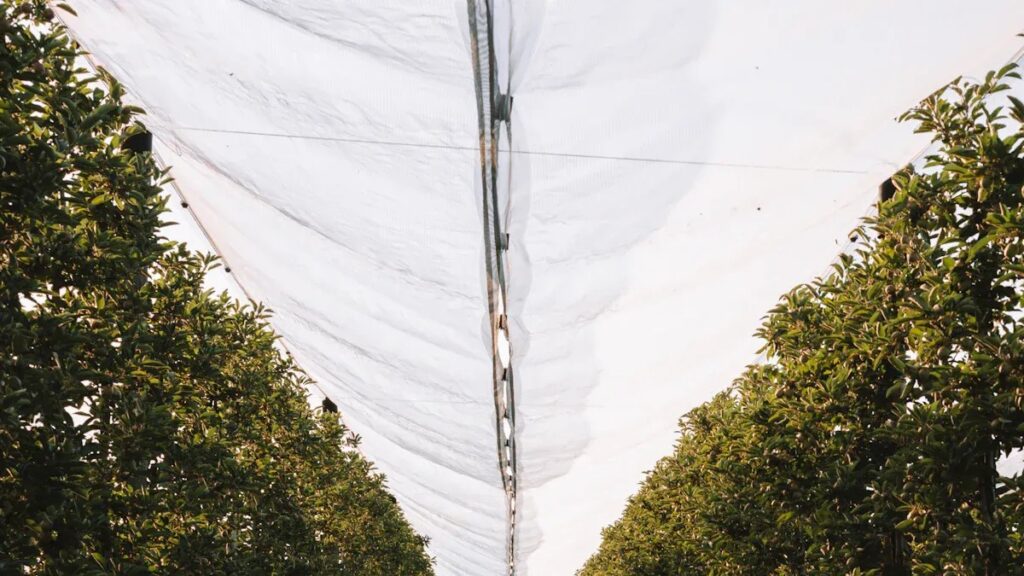
Design and structure of anti-hail nets
Anti-hail nets are crafted with precision to ensure maximum protection against hail damage. These nets typically consist of high-density polyethylene (HDPE) or polypropylene, materials known for their durability and resistance to harsh weather. The mesh design features small, uniform openings that allow sunlight and air to pass through while blocking hailstones. This balance ensures that your crops receive the necessary light and ventilation for healthy growth.
The structure of an anti-hail net is lightweight yet robust, making it easy to handle during installation. Manufacturers often reinforce the edges with thicker threads to prevent tearing and enhance longevity. Some nets also include UV stabilizers, which protect the material from sun damage, extending its lifespan. By choosing the right design and material, you can tailor the net to meet the specific needs of your crops or assets.
Mechanism of hail protection
The primary function of an anti-hail net is to act as a physical barrier between hailstones and your crops. When hailstones strike the net, the mesh absorbs and disperses the impact, preventing direct contact with plants. This mechanism significantly reduces the risk of bruising, breakage, or other forms of damage.
However, while these nets are widely used, studies reveal a lack of comprehensive data validating their effectiveness during severe weather events. Reports often rely on anecdotal evidence, which may not fully capture the performance of these systems. Despite this, many farmers and industries continue to adopt anti-hail nets due to their perceived benefits and the absence of better alternatives.
Installation and positioning techniques
Proper installation is crucial for the effectiveness of an anti-hail net. You should begin by selecting a sturdy support structure, such as poles or frames, to hold the net in place. The net must be stretched tightly across the area to prevent sagging, which could reduce its ability to deflect hailstones.
Positioning also plays a vital role. For orchards, you can drape the net over individual trees or install it as a continuous canopy over multiple rows. In vineyards, horizontal placement above the vines is common. Always ensure that the net is securely anchored to withstand strong winds and other environmental factors. Regular maintenance, such as checking for tears or loose fittings, will help you maximize the net’s lifespan and effectiveness.
Benefits of using an anti-hail net
Crop and plant protection
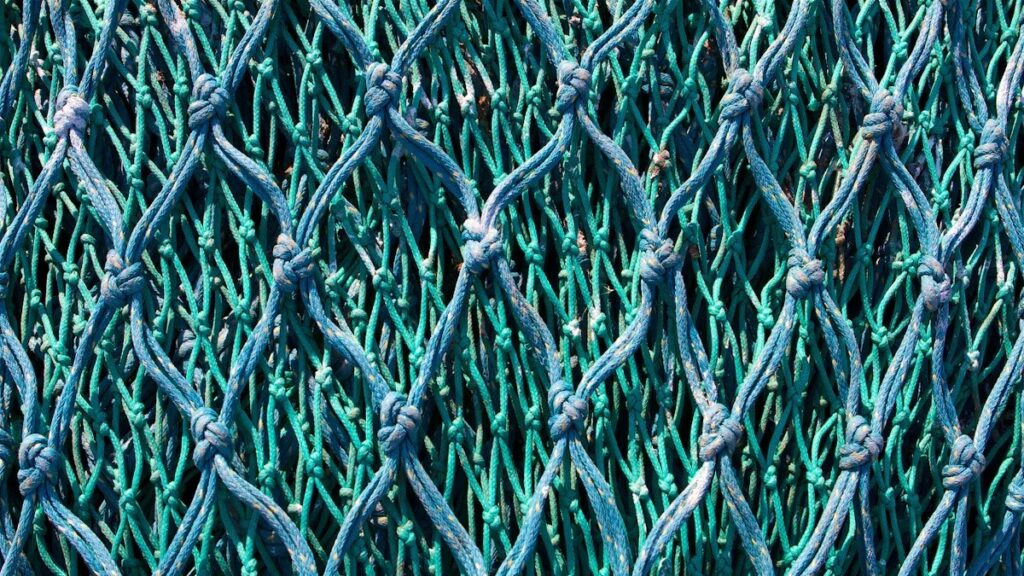
Hailstorms can devastate crops, leaving you with reduced yields and damaged plants. By using an anti-hail net, you create a protective shield that minimizes the impact of hailstones. This barrier prevents physical damage such as bruising, tearing, or breaking of leaves, fruits, and stems. It also reduces the risk of diseases that often follow hail damage, as open wounds on plants can become entry points for pathogens.
Additionally, anti-hail nets maintain the microclimate around your crops. They allow sunlight and air to pass through, ensuring healthy growth while keeping hailstones at bay. Whether you manage an orchard, vineyard, or greenhouse, these nets provide consistent protection, helping you maintain the quality and quantity of your harvest.
Financial savings and reduced losses
Hail damage can lead to significant financial losses, especially if you rely on high-value crops. Repairing damaged plants, replanting, or dealing with reduced yields can strain your budget. An anti-hail net acts as a cost-effective solution to mitigate these risks. By preventing hail damage, you avoid the expenses associated with crop recovery and loss.
Investing in these nets also helps you secure better returns on your agricultural investments. Protected crops are more likely to meet market standards, ensuring higher prices and customer satisfaction. Over time, the savings from reduced losses can outweigh the initial cost of installation, making it a financially sound decision.
Durability and long-term cost-effectiveness
Anti-hail nets are designed to withstand harsh weather conditions, offering you long-term protection. High-quality materials like HDPE and polypropylene ensure durability, even under prolonged exposure to sunlight, rain, and wind. Many nets come with UV stabilizers, which enhance their lifespan by preventing material degradation caused by the sun.
The long-term cost-effectiveness of these nets lies in their ability to provide consistent protection year after year. With proper maintenance, such as regular inspections and timely repairs, you can extend their usability. This durability reduces the need for frequent replacements, saving you money in the long run. By investing in a reliable anti-hail net, you ensure both immediate and future benefits for your agricultural operations.
Additional advantages like UV and wind protection
Anti-hail nets offer more than just protection against hailstones. They also shield crops and plants from harmful ultraviolet (UV) rays and mitigate the impact of strong winds. These additional benefits make anti-hail nets a versatile solution for safeguarding your agricultural investments.
UV Protection
Excessive exposure to UV rays can harm plants by causing leaf burn, reducing photosynthesis efficiency, and damaging delicate fruits. Anti-hail nets act as a filter, reducing the intensity of UV radiation while allowing sufficient sunlight for healthy growth. Different types of nets vary in their UV protection capabilities:
| Type of Net | UV Protection | UVB Reduction | UVA Reduction |
|---|---|---|---|
| Pearl Net | High | Significant | Significant |
| Black Net | Moderate | Moderate | Moderate |
| Red Net | Low | Minimal | Minimal |
Pearl nets, for instance, provide significant UV filtering, making them ideal for crops sensitive to sunlight. By choosing the right net, you can create a controlled environment that promotes plant health and enhances yield quality.
Wind Resistance
Strong winds can damage crops by breaking stems, bruising fruits, and uprooting plants. Anti-hail nets act as a windbreak, reducing the force of gusts and protecting your crops from physical harm. The mesh design diffuses wind energy, creating a calmer microclimate around your plants.
| Type of Net | Wind Resistance | Effect on Microclimate | Effect on Plant Responses |
|---|---|---|---|
| Pearl Net | Moderate | Improved | Enhanced growth |
| Black Net | High | Improved | Enhanced growth |
| Red Net | Moderate | Moderate | Reduced stress |
Black nets, with their high wind resistance, are particularly effective in areas prone to storms. By reducing wind stress, these nets help plants focus their energy on growth and fruit production rather than recovery from damage.
Combined Benefits
The dual advantages of UV protection and wind resistance contribute to a healthier growing environment. Anti-hail nets not only protect crops from external threats but also improve the microclimate, ensuring optimal conditions for plant development. Whether you manage a vineyard, orchard, or greenhouse, these nets provide a comprehensive solution to common agricultural challenges.
Materials and types of anti-hail nets
Common materials like HDPE and polypropylene
Anti-hail nets are primarily made from high-density polyethylene (HDPE) and polypropylene (PP), two materials known for their durability and weather resistance. HDPE offers a high strength-to-density ratio, making it both strong and flexible. It often includes UV-resistant coatings, which protect the net from sun damage and extend its lifespan. Polypropylene, on the other hand, is lightweight and cost-effective. It is commonly used in hybrid composites and recycled options, making it an environmentally friendly choice.
The performance of these materials has been extensively tested. For example:
| Material Type | Key Features | Performance Metrics |
|---|---|---|
| HDPE | Multi-layer laminates, UV-resistant coatings | Up to 12 years service life, Accelerated weathering tests simulate decade-long exposure |
| Polypropylene | Recycled options, Hybrid composites | Cost-effective, maintains tensile strength, 3-5 years functional lifespan |
When selecting a material, you should consider factors like the expected lifespan, environmental conditions, and budget. HDPE is ideal for long-term use, while polypropylene suits short-term or budget-conscious projects.
Types of anti-hail nets (e.g., Raschel, Leno, monofilament)
Anti-hail nets come in various types, each designed for specific applications. Raschel nets are popular due to their knitted structure, which provides excellent flexibility and strength. These nets are less prone to tearing and can adapt to different shapes and sizes. Leno nets, woven with a cross-weave pattern, offer enhanced stability and are ideal for areas with strong winds. Monofilament nets, made from single-thread fibers, are lightweight and provide high tensile strength, making them suitable for delicate crops.
Each type of net has unique advantages. For instance, Raschel nets are perfect for orchards with irregular tree shapes, while Leno nets work well in storm-prone regions. Monofilament nets are often used in vineyards to protect grapevines without compromising airflow. By understanding these differences, you can choose the most effective net for your needs.
Choosing the right material for specific needs
Selecting the right anti-hail net material depends on your agricultural requirements. HDPE and polypropylene each have distinct characteristics that suit different applications:
| Material Type | Characteristics | Applications in Agriculture |
|---|---|---|
| High-density Polyethylene (HDPE) | High strength-to-density ratio, durable, chemical resistance, and flexible | Effective in orchards, gardens, and vegetable cultivation |
| Polypropylene (PP) | Excellent strength, chemical resistance, thermal stability, lightweight | Used in vineyards and for protecting delicate crops from hailstorms |
For orchards and vegetable farms, HDPE nets provide long-term protection against hail and UV rays. In contrast, polypropylene nets are better suited for vineyards or areas requiring lightweight solutions. Consider your crop type, local climate, and budget when making your decision. This ensures you invest in a net that delivers optimal performance and value.
Applications of anti-hail nets
Agricultural uses (e.g., orchards, vineyards, farms)
Anti-hail nets play a crucial role in agriculture by protecting crops from hail damage and other environmental threats. You can use these nets in orchards to safeguard fruits like apples, cherries, and peaches, which are particularly vulnerable to hailstones. In vineyards, they shield grapevines, ensuring the quality and quantity of your harvest. Farms growing vegetables such as tomatoes, peppers, and lettuce also benefit from these nets, as they prevent physical damage and reduce the risk of disease caused by open wounds on plants.
The adoption of multi-functional net systems is growing in agriculture. These systems not only protect against hail but also provide shade and pest control, creating a healthier environment for crops. Manufacturers are now producing lighter and more flexible nets, making them easier to install and maintain without sacrificing durability. In regions like Asia and Latin America, where climate-related challenges are increasing, these nets have become an essential tool for farmers.
Horticultural uses (e.g., nurseries, greenhouses)
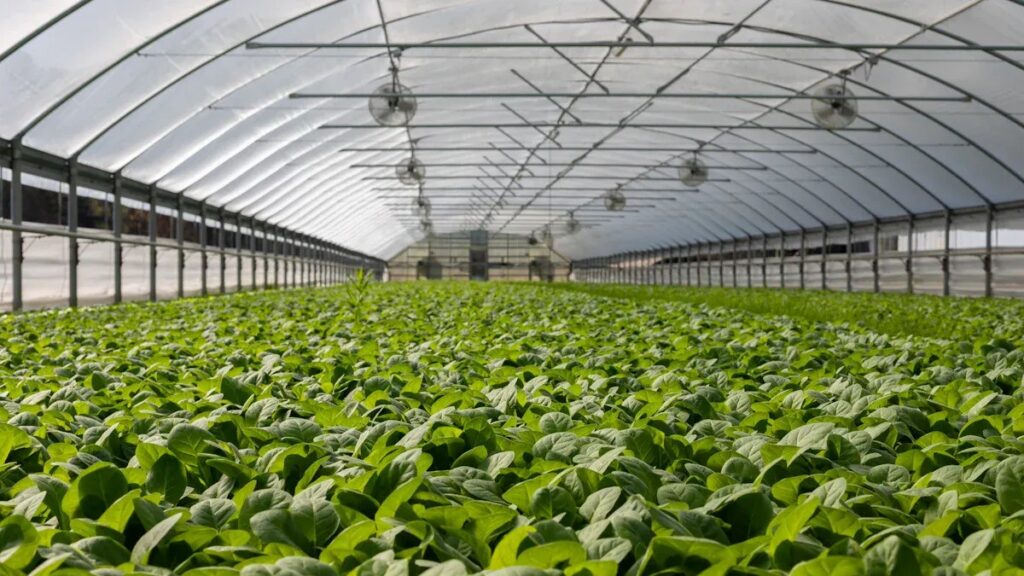
In horticulture, anti-hail nets are widely used to protect delicate plants and flowers. If you manage a nursery, these nets can shield young plants from hailstones, ensuring their healthy growth. Greenhouses also benefit from anti-hail nets, as they prevent structural damage while maintaining optimal conditions for plant development.
The integration of anti-hail nets with smart farming technologies is transforming horticulture. Automated systems can adjust the positioning of nets based on weather conditions, providing enhanced protection and efficiency. This innovation allows you to focus on other aspects of plant care while ensuring your crops remain safe.
Other industries (e.g., car dealerships, sports facilities)
Beyond agriculture and horticulture, anti-hail nets have found applications in various industries. Car dealerships use these nets to protect vehicles from hail damage, reducing repair costs and maintaining customer satisfaction. Sports facilities, such as outdoor stadiums and tennis courts, also benefit from these nets by preventing hail from disrupting events or damaging equipment.
The versatility of anti-hail nets makes them a valuable investment across multiple sectors. Their ability to provide protection while remaining lightweight and durable ensures they meet the needs of diverse industries effectively.
Is an anti-hail net worth the investment?
Key factors to consider (e.g., climate, crop value)
When deciding whether to invest in an anti-hail net, you should evaluate several critical factors. The frequency and severity of hailstorms in your region play a significant role. Areas prone to frequent hailstorms benefit the most from these protective systems. Additionally, the value of your crops or assets is another key consideration. High-value crops, such as apples, grapes, or cherries, justify the investment due to the potential financial losses caused by hail damage.
You should also assess the size of your agricultural operation. Larger farms may require a higher initial investment, but can achieve greater cost-efficiency over time. Finally, consider the availability of alternative protection methods, such as hail insurance. While insurance provides financial compensation, it does not prevent physical damage to crops, making anti-hail nets a more proactive solution.
Cost-benefit analysis
Anti-hail nets offer a compelling cost-benefit ratio, especially in hail-prone regions. Studies have shown that these nets often outperform hail insurance in terms of long-term economic advantages. For example:
| Study Title | Key Findings |
|---|---|
| Anti-Hail Protection—Assessment of Financial Effects on the Territory of Belgrade | Anti-hail nets are more profitable than insurance for low-risk farmers. Their value increases in hail-prone areas with higher crop output. |
| Choosing Between Hail Insurance and Anti-Hail Nets: A Simple Model and a Simulation among Apple Producers in South Tyrol | Anti-hail nets provide greater benefits than insurance in high-risk areas. Their effectiveness grows with the risk of hail damage and farmers’ risk aversion. |
These findings highlight the economic viability of anti-hail nets, particularly for farmers seeking to minimize risks and maximize returns. By reducing crop losses and maintaining quality, these nets ensure better market prices and higher profitability.
Long-term savings and protection
Investing in an anti-hail net delivers long-term savings by reducing recurring costs associated with hail damage. Unlike insurance, which requires annual premiums, anti-hail nets involve a one-time installation cost followed by minimal maintenance expenses. High-quality nets, made from durable materials like HDPE, can last for over a decade, providing consistent protection year after year.
The agricultural nets market has grown significantly due to the increasing frequency of hailstorms. Farmers recognize the cost-effectiveness of anti-hail nets in preserving crop quality and mitigating economic losses. By safeguarding your crops, these nets not only protect your immediate harvest but also contribute to the sustainability of your agricultural operations. Over time, the savings from reduced damage and higher yields far outweigh the initial investment, making anti-hail nets a smart choice for long-term protection.
Anti-hail nets have become an indispensable tool for protecting crops and assets from the growing threat of hailstorms. By reducing environmental stresses like hail damage, excessive sunlight, and strong winds, these nets ensure healthier plants and higher yields. Studies on apple orchards highlight how protective netting not only prevents hail damage but also improves soil moisture and reduces fruit surface temperature, creating a more favorable growing environment.
When selecting an anti-hail net, you should consider factors such as your region’s climate, the value of your crops, and the durability of materials like HDPE or polypropylene. For example, regions like Burgundy, severely affected by hailstorms, have shifted towards passive defense strategies like netting due to their reliability and cost-effectiveness.
🌟 Tip: Assess your specific needs, including crop type and local weather patterns, before making an investment. With climate variability increasing hailstorm risks globally, adopting anti-hail nets is not just a protective measure but a step toward sustainable and profitable agriculture.
 English
  German
  French
  Japanese
  Spanish
  Russian