
A barrier net acts as a protective shield designed to secure areas or objects from potential harm or intrusion. You can use it to safeguard spaces, prevent debris from spreading, or create clear boundaries. For example, studies show that specialized nets, like Olyset-impregnated LLINs, reduced mosquito mortality rates by 45% in Brazil over two years. In Tanzania, similar nets achieved a 55.7% mortality rate within 24 hours. These results highlight the effectiveness of barrier nets in controlling environments and ensuring safety.
Purpose of a Barrier Net
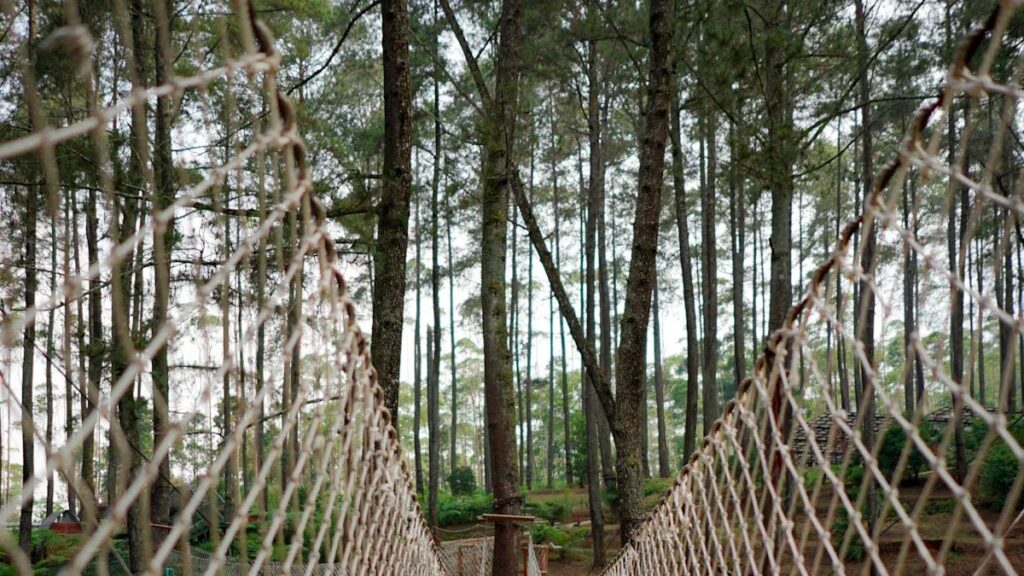
Ensuring Safety and Protection
Barrier nets play a vital role in keeping people and environments safe. You can use them to prevent accidents, injuries, or even fatalities in high-risk areas. For example, installing safety nets on bridges has proven to be a life-saving measure. Research shows that removing bridge barriers led to a fivefold increase in suicides, while their reinstallation resulted in zero suicides. The effectiveness of structural interventions at suicide hotspots also demonstrates an 86% reduction in jumping suicides. These findings highlight how barrier nets can protect lives by creating physical boundaries that deter dangerous actions.
| Study Title | Findings | Link |
|---|---|---|
| Preventing suicide by jumping: the effect of a bridge safety fence | A fivefold increase in suicides was observed after barrier removal, with no suicides after reinstallation. | Link |
| Removing bridge barriers stimulates suicides: an unfortunate natural experiment. | Removal of barriers led to a fivefold increase in suicides; reinstatement resulted in zero suicides. | Link |
| The effectiveness of structural interventions at suicide hotspots | An 86% reduction in jumping suicides was observed after interventions, with a net 28% reduction in all jumping suicides. | Link |
| Comparing Different Suicide Prevention Measures at Bridges and Buildings | Barriers reduced suicides by 68.7%, while safety nets reduced them by 77.1%. | Link |
Containing Objects and Debris
Barrier nets are essential for containing objects and debris in various settings. You might see them used in construction sites to prevent tools, materials, or debris from falling and causing harm. In sports facilities, they keep balls and equipment within designated areas, ensuring the safety of spectators and players. Their durable design and strong materials make them reliable for holding back items that could otherwise pose risks. By using a barrier net, you can maintain order and reduce the chances of accidents caused by stray objects.
Restricting Access and Creating Boundaries
Barrier nets help you define spaces and restrict access to sensitive or hazardous areas. For instance, they can block entry to construction zones, wildlife habitats, or private properties. This ensures that unauthorized individuals stay out, reducing risks and maintaining security. Barrier nets also create clear boundaries, making it easier to manage spaces effectively. Whether you need to protect a playground or secure an industrial site, these nets provide a practical solution for controlling access and marking territories.
How Barrier Nets Work
Materials Used in Construction
Barrier nets rely on high-quality materials to ensure strength and durability. You will often find nets made from synthetic fibers like nylon, polyethylene, or polypropylene. These materials resist wear and tear, making them ideal for long-term use in various environments. For example, nylon nets are lightweight yet strong, while polyethylene offers excellent resistance to UV rays and harsh weather conditions.
In some cases, manufacturers enhance the materials with coatings or treatments to improve performance. For instance, anti-corrosion coatings protect nets used in marine or industrial settings. Advanced designs, like those seen in fisheries research, incorporate adaptable features such as varied mesh sizes. These innovations allow barrier nets to meet specific needs, whether for containing debris or safeguarding wildlife.
Design Features for Durability and Effectiveness
The design of a barrier net plays a crucial role in its effectiveness. You will notice that most nets feature tightly woven mesh patterns, which prevent objects or debris from passing through. Some designs also include reinforced edges or double stitching to enhance strength. These features ensure the net can withstand heavy loads or high-impact forces without tearing.
Modern barrier nets often integrate technology to improve functionality. For example, some nets used in fisheries include sensors and underwater cameras. These additions allow real-time monitoring, ensuring the net performs efficiently. Such advancements highlight how thoughtful design can enhance the durability and effectiveness of barrier nets in demanding applications.
| Evidence Description | Key Findings |
|---|---|
| Phase III field testing | Assesses the performance of LLIN brands after three years, requiring at least 80% of surviving nets to exhibit optimal bio-efficacy. |
| WHO prequalification standards | Maintains product testing standards for bednets, ensuring they meet quality requirements for procurement. |
| Quality control tests | Many tests are lab-based; long-term field testing is necessary to understand net lifespan in typical use environments. |
| Insecticide performance measurement | Current methodologies are not ideal; bioassay tests are expensive and have high variance due to small sample sizes. |
| Residual insecticide testing | No simple field test is available; current tests are not ready for routine surveys. |
Installation and Portability Options
Installing a barrier net can be straightforward if you follow the right steps. Many nets come with pre-attached hooks, ropes, or poles, making setup quick and easy. You can also find portable options that allow you to move the net as needed. For example, retractable nets are popular in sports facilities because they can be raised or lowered effortlessly.
Real-world examples show how proper installation improves usability. Coastal Christian High School successfully installed a barrier netting system with the help of experts. Users reported that the netting was easy to adjust, which made maintenance and weather preparation more manageable. These insights emphasize the importance of choosing a net that suits your specific needs and environment.
Tip: Always ensure the net is securely anchored to prevent accidents or damage during use. Proper installation not only enhances safety but also extends the lifespan of your barrier net.
Applications of Barrier Nets

Sports and Recreational Facilities
Barrier nets are essential in sports and recreational areas. You often see them in stadiums, golf courses, and playgrounds. These nets protect spectators and nearby properties from stray balls or equipment. For example, in baseball fields, they prevent foul balls from hitting fans. On golf courses, they shield nearby homes and vehicles from errant golf balls. Their durable materials and high-tensile strength make them reliable for such high-impact activities. By using a barrier net, you can create a safer environment for everyone involved.
Construction and Industrial Sites
In construction and industrial settings, barrier nets play a critical role in ensuring safety. They prevent tools, debris, or materials from falling and causing injuries. A notable example occurred in Charleston, S.C., where a netting system saved lives. A 4-ton piece of a tower wall fell 160 feet, but the net held 8,000 pounds, preventing fatalities and damage. This incident highlights the importance of using high-quality nets. According to OSHA, falls are the leading cause of worker fatalities in construction. Barrier nets provide an effective solution to reduce these risks and protect workers on-site.
- Key benefits of barrier nets in construction:
- Catch falling debris and tools.
- Protect workers and pedestrians below.
- Comply with safety regulations and standards.
Agriculture and Wildlife Management
Barrier nets are highly effective in agriculture and wildlife management. You can use them to protect crops, livestock, and aquaculture operations from predators. These nets also help contain wildlife, preventing them from accessing waste sites, ponds, or spills. For example, farmers use barrier nets to keep birds away from fruit orchards. In aquaculture, they stop seals or otters from entering fish farms. By using these nets, you can safeguard your operations while promoting coexistence with wildlife.
Residential and commercial uses
Barrier nets offer practical solutions for both residential and commercial spaces. You can use them to enhance safety, improve privacy, or manage specific areas effectively. Their versatility makes them a valuable addition to homes, offices, and public spaces.
In residential settings, barrier nets help you create safe environments for children and pets. For example, you can install them around swimming pools to prevent accidental falls. They also work well as fencing for gardens, keeping animals out while protecting your plants. If you live in a high-rise building, balcony nets provide an extra layer of safety, especially for families with young children.
Commercial properties benefit from barrier nets in various ways. Retail stores often use them to secure inventory or block off restricted areas. In parking lots, nets can guide traffic flow or separate pedestrian zones from vehicle lanes. Restaurants and cafes use decorative barrier nets to define outdoor seating areas, creating a cozy and private atmosphere for customers.
Barrier nets also play a role in public safety. You might see them in shopping malls, where they prevent items from falling from upper floors. In urban areas, they can shield pedestrians from construction debris or falling objects. Their durable materials and customizable designs make them suitable for a wide range of applications.
Tip: When choosing a barrier net for residential or commercial use, consider factors like material strength, weather resistance, and ease of installation. These features ensure the net meets your specific needs and lasts longer.
Benefits of Barrier Nets

Enhancing Safety and Reducing Risks
Barrier nets improve safety by preventing accidents and injuries. You can use them to block falling debris at construction sites or keep stray balls away from spectators in sports arenas. Their strong materials and reliable designs ensure they hold up under pressure, reducing risks in high-impact environments. For example, installing a barrier net around a playground protects children from hazards like stray animals or falling objects. By using these nets, you create a safer space for everyone involved.
Tip: Regularly inspect your barrier net for wear and tear. This ensures it continues to provide maximum protection over time.
Cost-Effective and Reusable Solutions
Barrier nets offer a budget-friendly option for safety and containment. Their durable materials allow you to reuse them multiple times, saving money in the long run. You can easily move portable nets to different locations, making them a flexible solution for changing needs. For instance, retractable nets in sports facilities can be adjusted for various events, reducing the need for new installations. By investing in a high-quality barrier net, you minimize costs while maintaining safety and efficiency.
Versatility Across Industries
Barrier nets adapt to a wide range of applications. You can use them in sports, construction, agriculture, and even residential settings. In sports, they protect spectators and players. On farms, they shield crops from pests. In homes, they secure balconies or swimming pools. Their customizable designs and materials make them suitable for diverse environments. Whether you need to safeguard a workplace or enhance privacy at home, a barrier net provides a practical and versatile solution.
Note: Choose a net that matches your specific needs. Consider factors like material strength, weather resistance, and ease of installation.
Environmental advantages of sustainable materials
Using sustainable materials in barrier nets benefits the environment in many ways. These materials, such as recycled plastics or biodegradable fibers, reduce waste and minimize the use of non-renewable resources. When you choose nets made from eco-friendly materials, you help decrease pollution and conserve natural resources.
One major advantage of sustainable materials is their ability to reduce landfill waste. For example, recycled polyethylene nets repurpose plastic waste that would otherwise end up in landfills or oceans. This process not only gives new life to discarded materials but also helps combat the growing problem of plastic pollution. By opting for these nets, you contribute to cleaner ecosystems and healthier wildlife habitats.
Another benefit is the lower carbon footprint associated with sustainable production methods. Manufacturers of eco-friendly barrier nets often use energy-efficient processes and renewable energy sources. This reduces greenhouse gas emissions compared to traditional manufacturing. For instance, producing nets from plant-based fibers like jute or hemp requires less energy and generates fewer emissions than synthetic alternatives.
Did you know? Biodegradable nets break down naturally over time, leaving no harmful residues behind. This makes them an excellent choice for temporary applications, such as protecting crops during a single growing season.
Sustainable materials also promote a circular economy. Many eco-friendly nets are designed to be recyclable at the end of their lifespan. This means you can return them to manufacturers for recycling, ensuring the materials are reused instead of discarded. This approach reduces waste and supports a more sustainable future.
By choosing barrier nets made from sustainable materials, you play a role in protecting the planet. These choices not only meet your safety and containment needs but also align with environmental responsibility.
Barrier nets serve as essential tools for safety, containment, and boundary creation. They protect people, secure environments, and adapt to various industries like sports, construction, and agriculture. Their durable materials and versatile designs make them reliable for reducing risks and managing spaces effectively.
Key Takeaway: Barrier nets combine practicality with cost-effectiveness, offering reusable solutions that enhance safety and sustainability.
Explore how barrier nets can meet your specific needs. Whether you aim to safeguard a workplace, protect wildlife, or create safer recreational spaces, these nets provide a dependable and adaptable solution.
 English
  German
  French
  Japanese
  Spanish
  Russian