
Excessive sunlight can severely impact plant health. It causes dehydration, leaf burn, and physiological stress, leading to stunted growth. Research shows that high light intensity increases reactive oxygen species (ROS), damaging photosynthesis and reducing plant productivity. Using a shade net helps mitigate these effects. It lowers sunlight intensity while maintaining airflow, creating an environment where your plants can thrive.
Key Takeaways
- Too much sunlight can hurt plants, causing dryness and burned leaves. Use shade nets to shield them and keep them healthy.
- Look for early signs of sun damage like brown edges or droopy leaves. Acting fast can save your plants.
- Pick the right shade net for your plants. Different plants need different amounts of sunlight, so choose the net’s thickness carefully.
Why Plants Need Protection from Excessive Sunlight
Effects of excessive sunlight on plants
Excessive sunlight can overwhelm a plant’s natural defenses, leading to significant damage. When exposed to intense light, plants activate photoprotection mechanisms to dissipate excess energy. These include adjusting leaf angles, repositioning chloroplasts, and converting light into heat through xanthophyll pigments. However, prolonged exposure can exhaust these defenses, causing harm.
| Evidence Description | Key Points |
|---|---|
| Photoprotection Mechanisms | Plants use biochemical pathways to dissipate excess light energy. |
| Leaf Positioning | Leaves adjust angles or movements to reduce light absorption. |
| Thermal Dissipation | Excess light energy converts to heat, aided by xanthophyll pigments. |
Without adequate protection, plants may suffer from leaf burn, dehydration, and reduced photosynthesis. These effects weaken the plant, making it more susceptible to pests and diseases. Over time, this stress can stunt growth and lower crop yields.
Recognizing signs of sun damage in plants
Identifying sun damage early helps you take corrective action. Look for visible symptoms such as scorched or bleached leaves. These often appear as brown or white patches on the leaf surface. Wilting is another common sign, even when the soil remains moist. Plants may also exhibit slowed growth or curled leaves as they struggle to conserve water.
- Key indicators of sun damage:
- Brown, crispy edges on leaves.
- White or pale discoloration on leaf surfaces.
- Drooping stems or leaves during peak sunlight hours.
By observing these signs, you can determine whether your plants need additional protection, such as shade nets or other cooling strategies.
Understanding Shade Nets
What are shade nets?
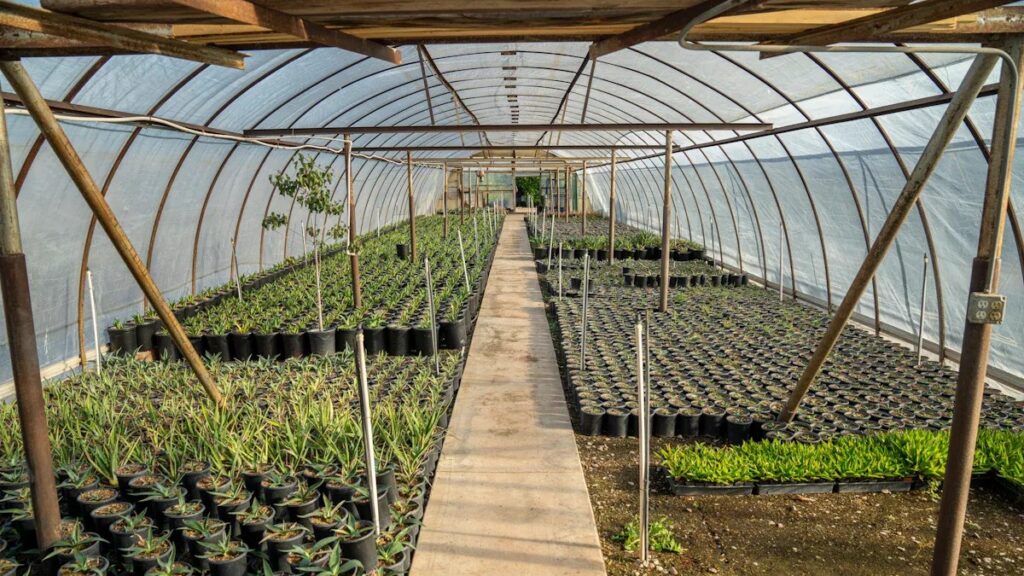
Shade nets are specialized coverings designed to shield plants from excessive sunlight and other environmental stressors. These nets are made from durable materials like polyethylene or polypropylene, woven to create a mesh that filters sunlight while allowing air and water to pass through. By reducing light intensity, shade nets create a controlled microclimate that promotes healthy plant growth.
Shade nets come in various densities, measured in percentages, which indicate the amount of sunlight they block. For example, a 50% shade net filters out half of the sunlight, making it suitable for plants that require moderate protection. These nets are widely used in agriculture, horticulture, and home gardening to safeguard plants from harsh weather conditions.
Covering young avocado ‘Hass’ trees with high-density shading nets during the winter mitigates frost damage and improves tree performance. The study found that after a significant frost event, control trees showed visible damage to flowering buds and young vegetative shoots, while net-covered trees exhibited no external damage. In the following spring, flowering intensity was significantly higher in the net-covered trees, indicating better development of floral buds. Additionally, chlorophyll content was consistently higher in the net-covered trees, suggesting that shading nets help alleviate cold stress and enhance light-harvesting capacity.
How shade nets work to protect plants
Shade nets function by filtering sunlight to reduce its intensity, preventing damage to sensitive plants. The mesh design allows air circulation, which helps regulate temperature and humidity around the plants. This controlled environment minimizes heat stress and dehydration, ensuring optimal conditions for growth.
In addition to sunlight filtration, shade nets offer protection against other environmental factors. They act as a barrier against strong winds, reducing physical damage to plants. The nets also conserve soil moisture by lowering evaporation rates, which is particularly beneficial in arid regions. Furthermore, shade nets can shield plants from frost during colder months, as demonstrated in studies involving avocado and banana crops.
| Characteristic/Benefit | Description |
|---|---|
| Prevents Sun Damage | Shade nets protect sensitive plants from excessive sunlight, preventing issues like scorched leaves. |
| Reduces Water Evaporation | They help conserve soil moisture, reducing the need for frequent watering in dry climates. |
| Provides Wind Protection | Shade nets act as a barrier against strong winds, minimizing physical damage and dehydration to plants. |
By using shade nets, you can create a stable growing environment that supports plant health and productivity throughout the year.
Types of Shade Nets
Shade percentages and their uses
Shade nets come in various densities, each suited for specific plant types and growing conditions. The percentage indicates how much sunlight the net blocks, helping you match the net to your plants’ needs. For instance:
| Shade Percentage | Suitable Plants |
|---|---|
| 35% | Vegetables, herbs,and some flowers |
| 50% | Tomatoes, cucumbers, lettuce |
| 70% | Delicate plants in greenhouses and nurseries |
| 80% | Mushrooms, some types of moss |
| 90% | Privacy screens, carports, and outdoor leisure areas |
For fruits, flowers, and leafy greens, a 50-70% shade net works best. Orchids, ferns, and other shade-loving plants thrive under 70-90% nets. Choosing the right percentage ensures your plants receive optimal light without overheating.
Materials used in shade nets
Shade nets are typically made from polyethylene or polypropylene. These materials are lightweight, durable, and resistant to UV rays. They regulate sunlight intensity effectively, as shown in studies:
| Parameter | With Shading Net | Without Shading Net |
|---|---|---|
| Sun Radiation (lux) | 1665.4 | 3072.5 |
| Average Air Temperature (°C) | 21.37 | 23.32 |
| Air Humidity (%) | 92.37 | 79.95 |
| Plant Height | Higher | Lower |
| Leaf Area | Higher | Lower |
| Plant Dry Weight | Higher | Lower |
Additionally, colored nets can influence plant growth. For example, blue nets promote compact growth, while red nets enhance tomato quality.
Choosing the right type for your plants
When selecting a shade net, consider your plants’ light requirements and growth habits. Plants like marjoram and oregano benefit from nets that increase antioxidant activity. If you grow tomatoes, red or pearl nets may improve fruit quality. Matching the net’s shading factor and color to your plants ensures healthier growth and higher yields.
Benefits of Using Shade Nets
Preventing sunburn and heat stress
Shade nets protect plants from the harmful effects of excessive sunlight. By filtering light intensity, they prevent leaf scorch and dehydration, which are common during peak summer months. The mesh design also reduces heat stress by maintaining cooler temperatures around the plants. This controlled environment allows plants to focus their energy on growth rather than survival.
Additionally, shade nets minimize cellular damage caused by extreme light exposure. They promote chlorophyll synthesis, which is essential for photosynthesis and overall plant health. With reduced stress, your plants can thrive even in challenging weather conditions.
Promoting healthy plant growth
Using shade nets creates an optimal growing environment that supports healthy development. Studies show that appropriate shading alleviates stress from excessive light and temperature. It also increases chlorophyll content, which correlates positively with plant height and biomass accumulation.
| Shading Level | Growth Index | Biomass Accumulation |
|---|---|---|
| SH0 | Lower | Lower |
| SH1 | Moderate | Moderate |
| SH2 | Higher | Higher |
Shade nets reduce cellular membrane damage, enabling plants to synthesize chlorophyll more effectively. This leads to improved growth rates, larger leaf areas, and higher yields. By investing in shade nets, you can ensure your plants grow stronger and healthier.
Extending the growing season
Shade nets help you extend the growing season by protecting plants from extreme weather conditions. Adjustable shade systems allow precise control over light and temperature, adapting to seasonal changes. During summer, shade nets cool the environment, while in autumn and winter, they provide frost protection.
These nets optimize the growth environment, mitigating adverse weather impacts and enhancing crop quality. Whether you grow vegetables, fruits, or flowers, shade nets enable you to cultivate crops year-round. This extended growing season increases productivity and ensures a steady supply of fresh produce.
Selecting the Right Shade Net
Factors to consider when choosing a shade net
Selecting the right shade net involves evaluating several critical factors to ensure it meets your plants’ needs and performs effectively over time. Here are the key considerations:
- Shade Percentage: This determines how much sunlight the net filters. Choose a percentage that aligns with your plants’ light requirements.
- Material Quality: High-quality materials, such as polyethylene with UV stabilizers, enhance durability and protect against sun damage.
- Net Density: The density of the mesh affects air circulation and ventilation, which are essential for maintaining a healthy microclimate.
- Durability and Longevity: Look for features like tear resistance and high-tensile strength to ensure the net withstands harsh weather conditions.
- Ease of Installation: Opt for nets that include installation accessories, such as clips or ropes, to simplify the setup process.
- Brand Reputation and Customer Reviews: Research brands and read reviews to gauge the reliability and performance of the product.
By considering these factors, you can select a shade net that provides optimal protection and supports healthy plant growth.
Matching shade percentage to plant needs
Matching the shade percentage to your plants’ specific needs is crucial for their growth and productivity. Different plants thrive under varying light conditions, and the right shade percentage ensures they receive adequate sunlight without overheating.
For example, studies comparing plant height and root collar diameter under different shade treatments highlight the importance of selecting the correct percentage. The table below summarizes the findings:
| Treatment | Plant Height (cm) | Diameter at Root Collar (mm) | Statistical Significance |
|---|---|---|---|
| C1 | 68.07 | 6.31 | P < 0.05 |
| C2 | 70.80 | 6.84 | P < 0.05 |
| CK | 66.73 | 6.20 | – |
| C3 | 58.67 | 7.87 | P < 0.05 |
The chart below further illustrates the differences in plant height and root collar diameter across treatments:
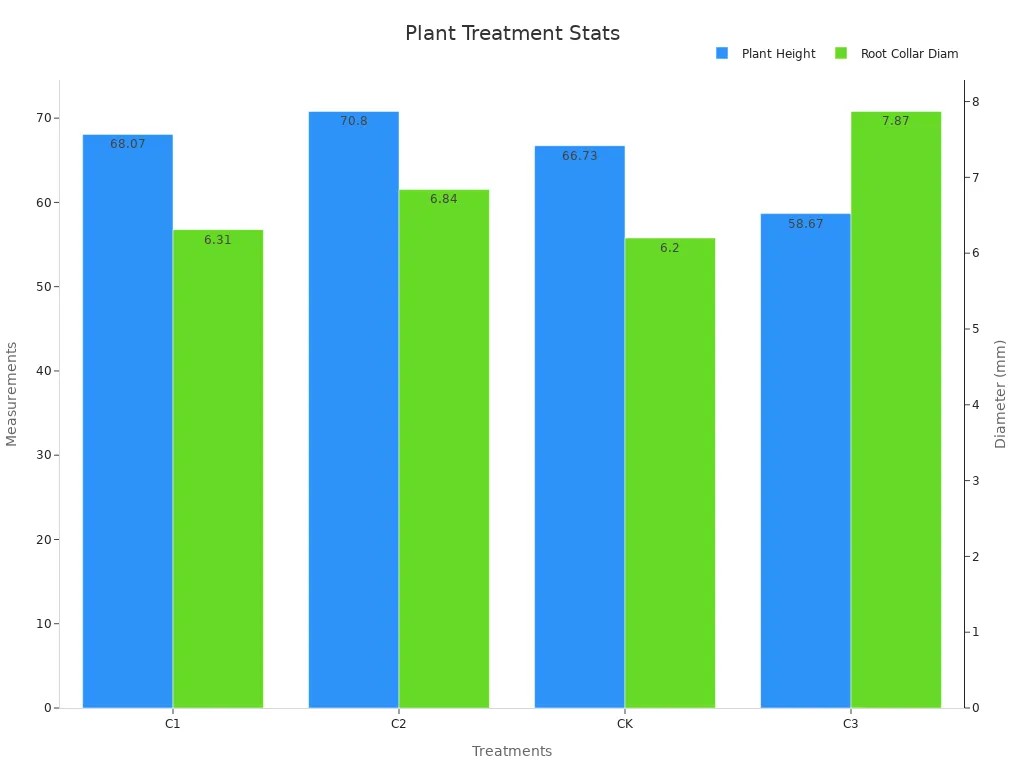
Treatments C1 and C2, which represent moderate shading, resulted in significant increases in both plant height and root collar diameter compared to the control group (CK). This demonstrates that moderate shading can enhance growth, while excessive shading (C3) may hinder it.
When choosing a shade percentage, consider your plants’ natural light preferences. For instance, vegetables like tomatoes and cucumbers thrive under 50% shade, while delicate plants like orchids may require 70-90% shade. Matching the shade percentage to your plants’ needs ensures they receive the right balance of light and protection.
Budget-friendly options for gardeners
For gardeners on a budget, there are several cost-effective ways to invest in a shade net without compromising quality. Here are some tips to help you save money:
- Choose Standard Sizes: Pre-cut shade nets in standard sizes are often more affordable than custom-made options.
- Opt for Lightweight Materials: Lightweight nets are typically less expensive and easier to install, making them a practical choice for small gardens.
- Buy in Bulk: Purchasing shade nets in bulk can reduce the cost per unit, especially if you have a large garden or plan to share with other gardeners.
- Look for Discounts and Sales: Many suppliers offer seasonal discounts or clearance sales, allowing you to purchase high-quality nets at a lower price.
- Repurpose Materials: If you’re on a tight budget, consider repurposing old materials like mesh fabric or tarps as temporary shade solutions.
Investing in a shade net doesn’t have to break the bank. By exploring these budget-friendly options, you can protect your plants effectively while staying within your financial limits.
Installing a Shade Net
Tools and materials required
To install a shade net effectively, you need the right tools and materials. These items ensure a safe and efficient setup process. Below is a table outlining the essential tools and their purposes:
| Tools/Materials | Purpose/Use |
|---|---|
| Tape cutter | For cutting tape used in installation |
| Special scissors | For precise cutting of shade netting |
| Drill | For making holes in structures |
| Screwdriver | For securing components together |
| Ladder | For reaching higher installation points |
| Personal protective equipment (PPE) | To ensure safety during installation |
| First aid tools | To treat any injuries that may occur |
Tip: Always wear gloves, goggles, and a construction helmet to prevent injuries. Keep first aid tools like adhesive tape and alcohol nearby for emergencies.
Setting up a support structure
A sturdy support structure is crucial for holding the shade net in place. Use durable materials like metal poles or treated wood to create a frame. Ensure the posts are firmly anchored into the ground to withstand strong winds. The installation height should allow adequate air circulation while providing sufficient shade for your plants. For larger areas, consider using crossbars or cables to distribute the net’s weight evenly.
Proper ventilation is essential. It helps maintain a healthy environment for your plants by regulating temperature and humidity.
Properly securing the shade net.
Securing the shade net correctly ensures it stays in place and functions effectively. Use zip ties, ropes, or clips to attach the net to the support structure. Stretch the net tightly to avoid sagging, which can reduce its effectiveness. Check that all edges are firmly fastened to prevent damage from wind or harsh weather. Regularly inspect the net for any loose sections and make adjustments as needed.
A well-secured shade net not only protects your plants but also extends the net’s lifespan.
Maintaining Your Shade Net
Cleaning and storing the net
Regular cleaning keeps your shade net effective and extends its lifespan. Dirt, dust, and algae can accumulate over time, reducing the net’s ability to filter sunlight. Use a mild soap solution to clean the net thoroughly. Avoid harsh chemicals, as they can weaken the material and shorten its durability. After cleaning, rinse the net with clean water and let it dry completely before storing.
Proper storage is equally important. Keep the net in a dry, cool location away from direct sunlight. Prolonged exposure to UV rays can degrade the material, making it brittle and less effective. Folding the net neatly and placing it in a protective bag or container prevents damage during storage.
Tip: Regular maintenance ensures your shade net remains in excellent condition, saving you money on replacements.
Inspecting and repairing damage
Inspect your shade net periodically for signs of wear and tear. Small holes or frayed edges can compromise its effectiveness, allowing excessive sunlight or pests to reach your plants. Repair minor damage promptly using patch kits or adhesive tape designed for shade nets.
Neglecting small repairs can lead to larger, irreparable damage. Regular inspections help you identify issues early, ensuring your net continues to provide optimal protection.
Note: Timely repairs not only maintain the net’s functionality but also prevent costly replacements.
Replacing worn-out nets
Shade nets have a limited lifespan, especially when exposed to harsh weather conditions. Replace nets that show extensive damage, such as large holes or weakened material. Many gardeners prefer purchasing new nets over repairing old ones, as new nets offer better durability and performance.
Consistent use of high-quality nets provides long-term benefits, including healthier plants and reduced maintenance costs. Investing in replacements ensures your garden remains protected year-round.
Emoji Reminder: 🌱 A well-maintained shade net is key to thriving plants and a productive garden!
Additional Plant Protection Strategies
Using mulch to retain soil moisture
Mulch acts as a protective layer for your soil, reducing water evaporation and maintaining consistent moisture levels. Organic mulches, such as straw, wood chips, or shredded leaves, improve soil fertility as they decompose. Inorganic options, like gravel or plastic sheeting, offer durability and are ideal for long-term use.
To apply mulch effectively, spread a 2-33-inchlayer around the base of your plants. Avoid piling mulch directly against stems to prevent rot. Mulch also suppresses weed growth, minimizing competition for nutrients and water.
Tip: Choose mulch based on your plant type and climate. Organic mulch works best for vegetable gardens, while inorganic mulch suits ornamental plants in arid regions.
Effective watering techniques
Proper watering ensures your plants stay hydrated without over-saturating the soil. Water deeply and less frequently to encourage roots to grow deeper into the soil. Early morning watering reduces evaporation and allows plants to absorb moisture before the heat of the day.
Drip irrigation systems provide precise water delivery directly to the root zone, conserving water and preventing fungal diseases. If you hand-water, use a watering can with a narrow spout for targeted application.
| Technique | Benefits |
|---|---|
| Drip Irrigation | Saves water, prevents diseases |
| Early Morning Watering | Reduces evaporation, boosts absorption |
| Deep Watering | Promotes strong root growth |
Planting shade-tolerant or companion plants
Shade-tolerant plants thrive in low-light conditions and can protect sensitive crops from excessive sunlight. Examples include ferns, hostas, and impatiens. Companion planting involves growing plants together to create mutual benefits. Taller plants, like sunflowers or corn, provide natural shade for smaller, delicate crops.
Strategically placing shade-tolerant or companion plants enhances your garden’s resilience. This method reduces heat stress and improves biodiversity, creating a balanced ecosystem.
🌱 Note: Research plant compatibility before implementing companion planting to avoid competition for resources.
Shade nets offer a reliable solution for protecting plants from excessive sunlight. They improve water efficiency, plant health, and fruit quality, as shown below:
| Shade Cloth Color | Water Use Efficiency | Plant Health and Growth | Fruit Quality |
|---|---|---|---|
| Green | Highest | Increased | Best |
| Black | Moderate | Improved | Good |
| White | Lowest | Less effective | Fair |
| No Shade Cloth | Least | Poor | Lowest |
Combine shade nets with mulching and precise watering to create a thriving garden.
 English
  German
  French
  Japanese
  Spanish
  Russian