
Yes, shade cloth can solve your summer heat problems. You gain immediate relief from the scorching sun, whether you want to protect your plants or create a cooler outdoor retreat. Shade cloth lowers temperatures and shields sensitive areas from harsh rays. You experience healthier plants and more comfortable spaces. This simple solution lets you take control of summer heat with minimal effort.
Key Takeaways
- Shade cloth blocks sunlight and lowers temperatures by 10 to 20 degrees, making outdoor spaces cooler and more comfortable.
- It protects plants and people from harmful UV rays, helping plants grow healthier and reducing sun damage to skin.
- Using shade cloth saves water and energy by keeping soil moist longer and reducing the need for air conditioning.
- Proper installation and regular care extend the life of shade cloth and keep it effective against heat and sun.
- Choosing the right type, color, and density of shade cloth helps you get the best results for your plants and outdoor areas.
How Shade Cloth Works
Sunlight and Heat Reduction
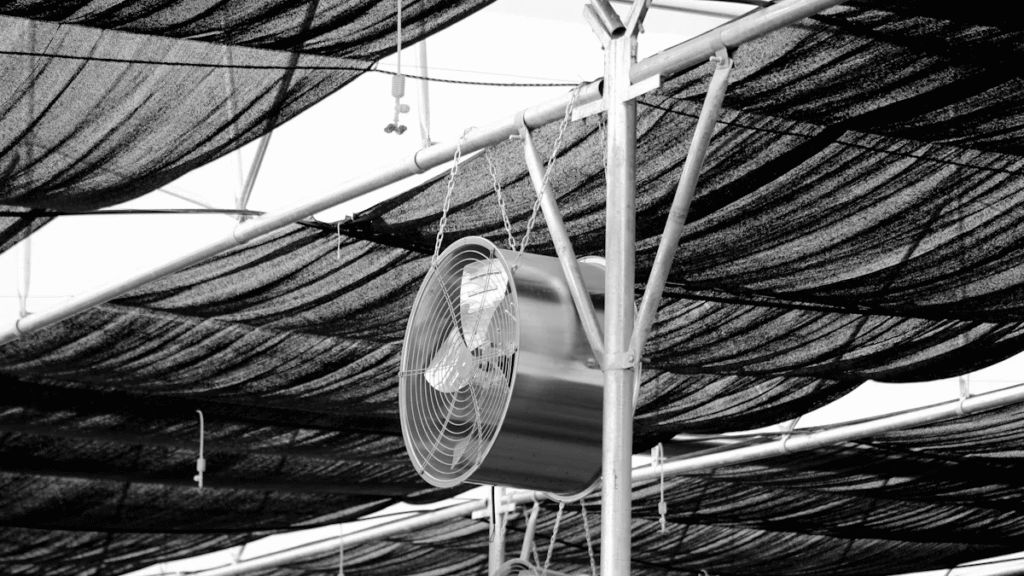
You experience immediate relief from the sun when you install shade cloth. This material physically blocks sunlight by absorbing, reflecting, and refracting solar radiation. The fabric, often made from knitted or woven polyethylene, forms a barrier that keeps direct sunlight from reaching the ground or your plants. As a result, you notice a significant drop in temperature beneath the cloth.
Scientific studies show that shade cloth can lower temperatures by 10–20°F compared to uncovered areas. For example, research from Michigan State University found that shading roofs, walls, and air inlets with UV-blocking fabrics or shade cloth structures can reduce both air and surface temperatures. The heat-reflective properties of the fabric help create a cooler microclimate, making your outdoor spaces much more comfortable during hot weather.
Tip: Lighter-colored shade cloth reflects more sunlight, while darker colors absorb more heat and UV rays. Both options promote airflow, which helps prevent heat buildup and keeps the area underneath cooler.
UV Protection
Shade cloth does more than just cool your space—it also protects you and your plants from harmful ultraviolet (UV) rays. The level of UV protection depends on several factors, including fabric density, color, fiber type, and weave tightness. Synthetic fibers like polyester and high-density polyethylene (HDPE) offer excellent UV absorption.
- Different shade cloths have varying Ultraviolet Protection Factor (UPF) ratings, which indicate how much UV radiation they block.
- Darker, denser fabrics can block up to 97% of UV rays, reducing the risk of sunburn, premature aging, and skin cancer for people.
- For plants, reduced UV exposure means less stress and healthier growth, especially for sensitive species.
- Over time, UV protection may decrease as the fabric wears, so you should check your shade cloth regularly for signs of aging.
By choosing the right shade cloth, you create a safer and more comfortable environment for both people and plants, even during the hottest months.
Shade Cloth Benefits

Plant Protection
You give your plants a powerful defense against summer stress when you use shade cloth. This fabric shields crops from intense sunlight and harmful UV rays, reducing the risk of sunburn and heat stress. You help warm-season vegetables like tomatoes and peppers avoid flower and fruit loss, as well as disorders such as sunscald. For cool-season crops, you prevent early bolting and keep flavors mild.
- Shade cloth lowers temperatures around your plants, creating a stable environment.
- It filters sunlight, allowing enough light for growth but blocking excess heat.
- You maintain consistent soil moisture because less water evaporates from the soil and leaves.
- Plants experience less wilting, leaf drop, and slowed growth during heat waves.
- You extend the growing season by weeks or even months, especially for salad greens and herbs.
Tip: Mounting shade cloth on a frame above your plants improves airflow and prevents foliage injury.
Cooler Outdoor Spaces
You transform your patio, deck, or garden seating area into a comfortable retreat with shade cloth. During the hottest summer afternoons, you can expect temperatures under the fabric to be about 10°F cooler than in uncovered areas. This difference makes outdoor spaces usable and enjoyable, even in extreme heat.
Many homeowners report that shade cloth turns previously unusable patios into favorite gathering spots. The fabric blocks UV rays before they heat surfaces, so you avoid the discomfort of hot furniture and stuffy air. Air flows freely beneath the cloth, keeping the area fresh and pleasant.
You also protect outdoor furniture and surfaces from sun damage, which helps them last longer and look better.
Water and Energy Savings
Shade cloth helps you save water and lower energy costs. By reducing soil and leaf temperatures, you slow down evaporation and keep soil moist for longer periods. In greenhouses and gardens, reflective shade cloth can lower air temperature by up to 24%, reduce energy gain by 35%, and increase water use efficiency by nearly 50% for crops like tomatoes and cucumbers.
| Benefit | Impact |
|---|---|
| Lower air temperature | Up to 24% reduction |
| Reduced energy gain | 35% less |
| Less incident radiation | 22-36% reduction |
| Maximum temperature drop | 5-6°F decrease |
| Water use efficiency | 47% (tomato), 62% (cucumber) |
| Fewer irrigation events | Less frequent watering is needed |
You also cut household cooling costs when you use shade cloth on windows or outdoor living spaces. Studies show that shading can reduce cooling energy use by up to 50%, saving you between $81 and $193 per year, depending on your location. By blocking direct sunlight, you lower the demand on your air conditioning system and keep your home more comfortable.
Limitations and Care
Installation and Maintenance
You need to plan carefully when installing shade cloth in your garden or outdoor space. Accurate measurements of the area ensure a proper fit and prevent waste. Choose sturdy support structures, such as steel poles cemented into the ground, to withstand wind and weather. Secure the cloth with carabiners, grommets, or zip ties, making sure it stays taut but not overstretched. Support wires or cables arranged in an “X” shape help prevent sagging. Having an extra person assists with measuring and positioning, reducing errors.
Regular maintenance extends the life of your installation. Clean the fabric every few months with mild soap and water, then air dry before storing or reinstalling. Inspect for tears, fraying, or loose hardware at least twice a year. Promptly repair small tears and replace worn parts to avoid bigger problems. Remove or loosen the cloth before storms or high winds to prevent damage.
Durability and Replacement
The lifespan of your shade cloth depends on material quality and care. High-density polyethylene (HDPE) nets typically last 5 to 7 years, thanks to strong UV resistance and tear strength. Polyester fabrics with UV protection can last 5 to 10 years, while acrylic options may reach up to 12 years. Cotton or jute nets wear out quickly, often lasting less than a year. Store your clothes clean and dry during the off-season to maximize their durability.
Note: Proper storage and seasonal adjustments help you reuse the same cloth for several years.
When Shade Cloth May Not Help
Shade cloth does not solve every climate challenge. In temperate regions during winter, it offers little benefit because sunlight is weak and temperatures are low. In arid or highland areas with strong winds, the cloth may tear or collapse unless you use high-strength materials and secure supports.
| Climate Zone | Challenge | Limitation |
|---|---|---|
| Temperate | Cold, weak sun in winter | Minimal benefit; often removed in cold months |
| Arid/Highland | Strong winds, low humidity | Risk of tearing or collapse |
Common mistakes can also reduce effectiveness. Installing the cloth too close to plants blocks airflow and traps heat. Using the wrong density or failing to secure the fabric can lead to poor results. Remove the cloth when it is no longer needed to avoid harming plant growth.
Is Shade Cloth Right for You
Decision Checklist
Before you invest in shade cloth, review this checklist to see if it fits your needs:
- Identify your plants’ light requirements. Some need partial shade, while others thrive in full sun.
- Assess your climate. Hot, sunny regions benefit from higher-density cloth; cooler areas may need lighter fabrics.
- Choose the right color. White reflects heat and prevents overheating. Black absorbs heat, which helps in cooler climates.
- Select the correct density. Use 30%-50% for shade-loving plants, 50%-70% for most vegetables, and 70%-90% for heavy shading.
- Consider your installation site. Greenhouses, raised beds, and pergolas each require different materials and installation methods.
- Plan for secure installation. Use clips, ties, or clamps to keep the cloth taut and stable.
- Track sunlight patterns and adjust placement seasonally for best results.
- Factor in durability and maintenance. High-quality fabric lasts longer and saves money over time.
Tip: Regular cleaning and inspection extend the life of your shade cloth and keep your plants protected.
Best Uses
You get the most value from shade cloth in these scenarios:
- Covering garden beds, greenhouses, and hoop houses to protect vegetables like tomatoes, zucchini, and leafy greens.
- Creating cooler patios, decks, or outdoor seating areas for family and guests.
- Shielding sensitive crops from heat stress, sunburn, and pests.
- Extending the growing season in hot climates by moderating temperature extremes.
- Reducing water loss and improving plant health in exposed, sunny locations.
A table can help you match shade cloth types to your needs:
| Application | Recommended Shade % | Color Suggestion |
|---|---|---|
| Leafy greens, herbs | 30-50% | White or green |
| Tomatoes, peppers | 50-70% | Black or green |
| Patios, seating areas | 70-90% | White or aluminum |
Alternatives
If shade cloth does not suit your space, consider these options:
- Install pergolas, arbors, or gazebos for permanent shade.
- Use lattice panels or trellises with climbing plants for natural cooling.
- Plant fast-growing trees or shrubs to create a living canopy.
- Add water features like fountains or misting systems to cool the air.
- Use temporary pop-up tents or outdoor curtains for flexible, movable shade.
- Replace hard surfaces with gravel or mulch to reduce heat buildup.
Note: Each alternative offers unique benefits. Choose the solution that matches your climate, budget, and long-term goals.
You gain real relief from summer heat by using this practical solution.
Top advantages include:
- Improved comfort and lower temperatures for you and your plants
- Flexible shade density and placement options
- Enhanced plant health and extended growing seasons
| Drawback | Explanation |
|---|---|
| Partial Coverage | Does not block all sun or rain; not ideal for total protection |
| UV Degradation | Needs replacement every 5–7 years due to sun exposure |
| Cost Variation | Higher-quality options cost more but last longer |
Most homeowners and gardeners benefit from this approach, especially in hot climates. Try combining it with mulching or natural shade for even better results. You can create a cooler, more productive outdoor space with just a few adjustments.
 English
  German
  French
  Japanese
  Spanish
  Russian