
When you want the most effective and safest way to control pest birds, a bird net stands out as the top choice. This solution creates a humane, physical barrier that protects your property, crops, and health without harming birds. You save on maintenance costs, prevent damage, and keep your environment clean. Recent data shows that mist-netting, a type of bird net, reduced pigeon numbers from around 1,000 to 250 in just 150 days, far outperforming trapping and falconry while keeping birds safe.
| Method | Effectiveness (Number of pigeons removed) | Safety Aspect |
|---|---|---|
| Mist-netting | Reduced pigeons from ~1000 to 250 in 150 days | Specialized nets do not injure birds |
| Trapping | 173 pigeons in 105 days | Passive, no reported injury |
| Falconry | Least effective | Requires trained falconers |
Key Takeaways
- Bird nets create a safe, physical barrier that keeps pest birds away without harming them.
- They protect crops, buildings, and health by reducing damage, mess, noise, and disease risks.
- Bird nets last for years with little maintenance, saving money on repairs and cleaning.
- The mesh size blocks birds but allows beneficial pollinators like bees to pass through.
- Installation is flexible and can suit small gardens or large commercial properties.
Bird Net Basics
What Is a Bird Net
A bird net is a specialized mesh barrier designed to keep pest birds away from valuable areas. You can find bird nets made from durable, weather-resistant materials like polyethylene or nylon. These nets come in different sizes and mesh patterns to suit various needs. Some common types include knotted, knotless, and extruded nets. Each type offers unique benefits for specific environments.
You often see bird nets in agriculture, where they cover fruit crops such as grapes, apples, and cherries. They also protect fish farms, wildlife reserves, and even mining ponds. In urban settings, you can use bird nets to shield buildings, balconies, and warehouses from birds that might nest or roost. The versatility of bird nets makes them a practical choice for both small gardens and large commercial properties.
Tip: Choose the right mesh size for your target bird species to maximize protection and minimize visual impact.
How Bird Nets Work
Bird nets act as physical barriers that prevent birds from entering protected spaces. When you install a bird net, you block birds from landing, nesting, or feeding in sensitive areas. The netting allows sunlight and air to pass through, so your crops or property stay healthy and well-ventilated.
Here’s how bird nets function in different applications:
- They keep birds out of fruit crops, greenhouses, and storage facilities, reducing crop loss.
- They stop birds from roosting on rooftops, ledges, and windowsills, which helps prevent damage from droppings and nesting.
- In food industry settings, bird nets maintain hygiene by blocking contamination from bird droppings.
- The durable materials ensure long-lasting, low-maintenance protection.
- Bird nets offer a cost-effective and humane solution compared to trapping or chemical repellents.
You can customize bird nets for any space, from small residential gardens to large industrial sites. By installing a bird net, you create a sustainable, low-impact defense that keeps your property safe and clean.
Benefits
Reliable Protection
You need a solution that stands up to the elements and delivers consistent results. Bird nets offer reliable protection for your property and crops. The strong mesh resists tearing, UV rays, and harsh weather. You can trust these nets to keep birds out year after year. Many commercial growers and property managers choose bird nets because they reduce the risk of bird-related damage. You avoid the hassle of constant repairs and enjoy peace of mind knowing your investment stays safe.
Note: A properly installed bird net creates a secure barrier that birds cannot penetrate or bypass.
Health and Safety
Bird droppings and nesting materials can create serious health hazards. You face risks like salmonella, histoplasmosis, and other diseases when birds invade your space. Bird nets help you maintain a clean and hygienic environment by blocking birds from entering sensitive areas. This is especially important for food processing plants, warehouses, and residential balconies. Some bird nets even come with fire-resistant coatings, adding another layer of safety for your property.
- You reduce the spread of disease.
- You prevent contamination of food and water sources.
- You lower the risk of fire caused by nesting materials near electrical equipment.
Long-Term Savings
You want a solution that saves money over time. Bird nets require a one-time investment for installation, but they pay off quickly. You spend less on cleaning, repairs, and pest control services. The durable materials last for years, so you avoid frequent replacements. Many users report a significant drop in maintenance costs after installing a bird net.
| Expense Type | With Bird Net | Without Bird Net |
|---|---|---|
| Cleaning | Low | High |
| Repairs | Rare | Frequent |
| Pest Control Visits | Minimal | Regular |
Tip: Calculate your annual savings by comparing your current bird-related expenses to the cost of installing a bird net.
Supports Pollinators
You want to protect your crops from birds, but you also need pollinators like bees and butterflies. Bird nets use mesh sizes that block birds while allowing smaller beneficial insects to pass through. This means your plants still get pollinated, and your harvest remains strong. You support a healthy ecosystem and promote better yields without sacrificing protection.
- Bees and butterflies can access flowers.
- Birds stay out, reducing crop loss.
- You maintain balance in your garden or farm.
Property and Crop Protection
、
Prevents Damage
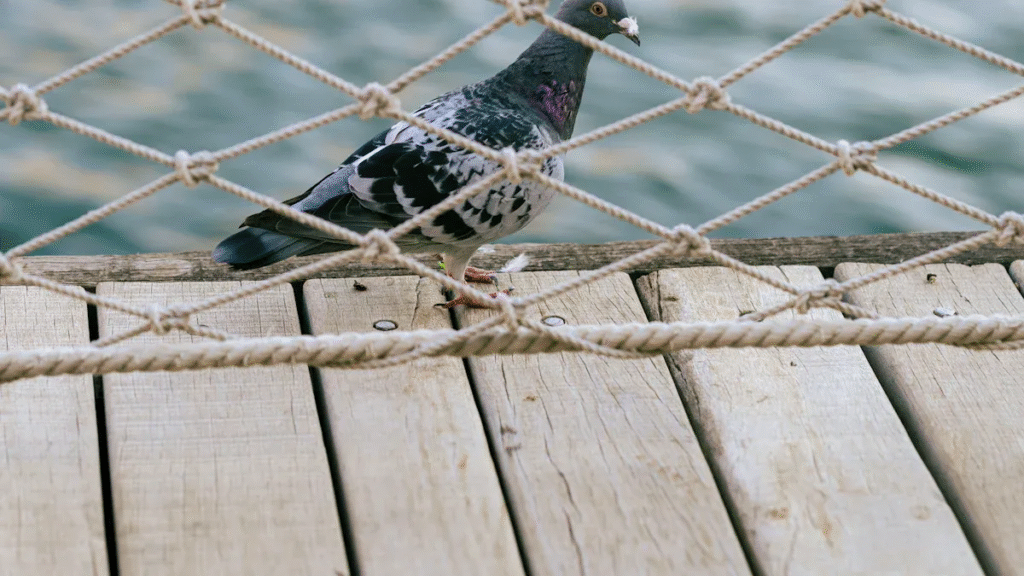
You face real risks when pest birds invade your property or farmland. Birds can peck at fruits, vegetables, and grains, causing significant crop loss. They also target building ledges, rafters, and porches, leaving behind droppings and nesting materials that damage surfaces. Bird nets, especially those with ½-inch mesh, create a strong physical barrier. You stop birds from reaching sensitive areas, so you protect both your harvest and your structures. Many growers and property managers choose bird nets because they consistently reduce bird access and prevent costly damage. This method may require effort to install, but you gain long-term protection that other solutions rarely match.
Tip: Install bird nets before the peak bird season to maximize your protection and minimize early damage.
Maintains Cleanliness
Bird droppings and nesting debris can quickly turn clean spaces into health hazards. You want to keep balconies, terraces, and warehouses free from mess. Bird nets help you achieve this goal by blocking birds from landing or roosting in these areas. Clean surfaces mean less time spent on maintenance and fewer risks of contamination. In food storage or processing environments, cleanliness is critical. Bird nets support your hygiene standards and help you meet regulatory requirements.
- Less cleaning required
- Fewer health risks
- Improved appearance for visitors and customers
Reduces Noise
Birds often create unwanted noise, especially when they gather in large numbers. You may notice constant chirping, squawking, or fluttering near your property. Bird nets discourage birds from settling, so you experience a quieter environment. This benefit matters for residential complexes, hotels, and office buildings where peace and comfort are priorities. You provide a more pleasant space for everyone who lives or works there.
| Area | With Bird Nets | Without Bird Nets |
|---|---|---|
| Balconies | Quiet | Noisy |
| Warehouses | Calm | Disturbed |
| Gardens | Peaceful | Chaotic |
Note: A quieter property not only improves comfort but also supports productivity and relaxation.
Bird Net Installation
、
Easy Setup
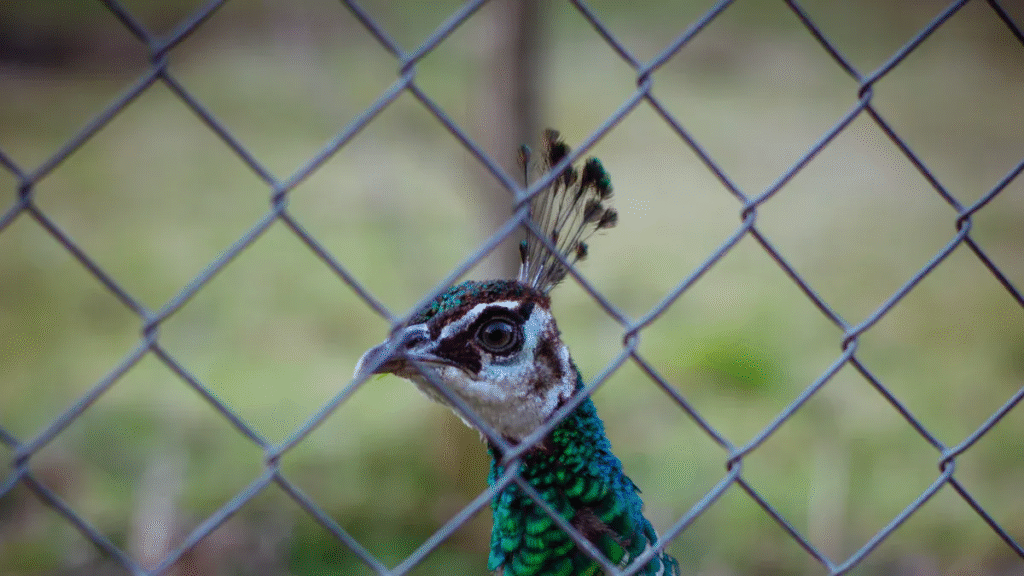
You can install a bird net with minimal hassle, whether you choose a professional or a do-it-yourself approach. Many products, such as Swallow Shield, offer quick and easy installation, making them suitable for non-professional users. Professional installation is often recommended for complex areas like eaves, ensuring humane exclusion and a secure fit. Some nets, like the 3/4″ mesh, remain low-profile and effective, which helps you achieve a neat result.
- Nixalite bird netting is strong, flexible, and easy to work with. You receive installation accessories and planning assistance, making the process smoother.
- Bird-X stainless steel spikes, while not nets, show how flexible bases and multiple attachment options simplify installation on curved or uneven surfaces.
Tip: Always measure your space and select the right mesh size before starting the installation.
Maintenance
You spend less time on upkeep with a bird net. The durable materials resist weather, UV rays, and wear, so you rarely need repairs. Most nets require only occasional checks to ensure they remain secure and free from debris. If you notice sagging or damage, you can tighten or patch the net quickly. This low-maintenance approach saves you time and keeps your property protected year-round.
- Inspect the netting every few months.
- Remove leaves or twigs that may collect on the surface.
- Repair small tears promptly to maintain full coverage.
Aesthetic Impact
You want your property to look its best. Modern bird nets blend seamlessly with many architectural styles. Historical buildings often use customized netting that matches their features, preserving or even enhancing their appearance. Sports arenas and atriums benefit from nearly invisible netting, which maintains open views and natural light. At places like XYZ Zoo and urban botanical gardens, walk-in aviaries use wire rope mesh to provide transparency and unobstructed views, improving both visitor experience and property appeal.
- Customized netting can match building colors and shapes.
- Retractable systems offer flexibility without sacrificing looks.
- Nearly invisible mesh keeps spaces bright and attractive.
Note: A well-chosen bird net protects your space while supporting its visual appeal.
Comparison to Other Methods
Effectiveness
You want a solution that delivers consistent results. Bird nets provide a physical barrier that blocks birds from entering protected areas. Other methods, such as spikes, repellents, and sound devices, work differently. Spikes prevent birds from landing on ledges but do not stop them from accessing open spaces. Repellents may deter birds for a short time, but birds often adapt. Sound devices can scare birds away temporarily, but their effectiveness decreases as birds become familiar with the noise.
A rating system used in urban environments scored deterrents like bird nets, spikes, screens, dummy predators, and anti-perching wires on a scale from 0 to 3. This system measured coverage and overall deterrence. While this framework helps compare methods, it does not provide a clear winner. You should consider your specific needs and environment when choosing a method.
Note: Bird nets offer high coverage and long-term protection, making them a preferred choice for many property owners.
Cost
You need to balance effectiveness with cost. Bird nets require an upfront investment for materials and installation. This cost can be higher than spikes or repellents, especially for large or complex areas. However, bird nets often reduce ongoing expenses because they last for years and need little maintenance. Spikes and repellents may seem cheaper at first, but you may spend more over time on replacements and repeated applications.
| Method | Initial Cost | Maintenance | Longevity |
|---|---|---|---|
| Bird Net | High | Low | Long-term |
| Spikes | Medium | Medium | Medium-term |
| Repellents | Low | High | Short-term |
| Sound Devices | Medium | Medium | Varies |
Limitations
Every method has drawbacks. Bird nets work best when installed with precision. If you leave gaps or holes, birds can enter and become trapped, making the net counterproductive. Installation can be time-consuming and may require professional help for large or complex spaces. Bird nets may not suit facilities with open doors or large openings. In some cases, the cost may outweigh the benefits, especially for small or temporary needs.
- Gaps or holes reduce effectiveness.
- Installation can be costly and time-consuming.
- Not ideal for buildings with frequent open access.
- May not be cost-effective for all facilities.
Tip: Always assess your property’s layout and needs before choosing a bird control method.
You want a solution that delivers proven results and long-term value. Bird nets provide a universal, weatherproof barrier that keeps pest birds away from rooftops, gardens, and warehouses. You benefit from broad species coverage, durable materials, and flexible installation options.
- Bird nets protect large and small areas.
- They reduce mess, noise, and health risks.
- You gain lasting protection with minimal maintenance.
Consider consulting a professional to select the right bird net for your property or crops.
 English
  German
  French
  Japanese
  Spanish
  Russian