
To pick the best knitted shade net, you should look at a few important things. Shade percentage, material, color, UV stabilization, how long it lasts, and what you need it for are all important. Many people who farm like knitted shade nets. These nets are flexible and do not come apart easily. This makes them strong and simple to use.
If you match the net to your plant and weather, you get better results. For example, leafy greens grow well under 50% shade when it is hot. Flowers like orchids do better with white nets in warm places.
| Plant Type | Shade Density (%) | Net Color | Climate |
|---|---|---|---|
| Leafy greens | 50 | N/A | Hot |
| Flowers (orchids) | N/A | White | Hot |
| Citrus fruits | 50 | N/A | Sunny, hot |
| Light-loving vegetables | 30 | N/A | High sunlight |
Key Takeaways
- Pick the right shade percentage for your plants and weather. This helps plants grow well and keeps them safe from heat. – Choose strong, UV-stabilized materials like HDPE monofilament. These nets last longer and do not get ruined by the sun or bad weather. – Think about net colors before you buy. Black nets give more shade and block more UV rays. White or pearl nets keep plants cooler and let in more light. – Put up knitted shade nets tightly on strong frames. Use easy tools to do this. Do not use harsh chemicals to clean them. This helps the nets last longer. – Look at your net often to find damage. Fix small tears fast so the net keeps working well for up to ten years.
Knitted Shade Net Basics
What Is It?
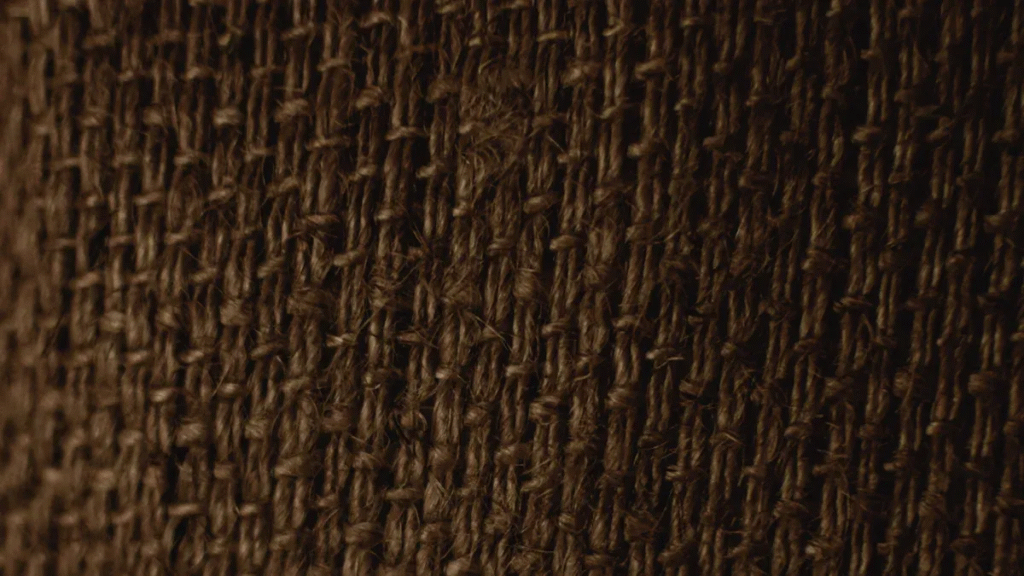
A knitted shade net is made to be strong and bendy. Makers use light polyethylene and a lockstitch pattern for these nets. The open design lets air move through easily. This keeps plants cool and stops heat from building up. The net will not come apart if you cut it to fit your space.
Knitted shade nets last a long time. The lockstitch makes the net stretchy and keeps holes steady. These nets can handle strong winds, hail, and hot sun. Tests show a well-supported net can take up to 50 kg of force at 150 km/h wind. The net does not tear, fray, or come apart easily. This means it lasts longer even in bad weather. UV-stabilized polymers help protect the net from sun damage. This makes it good for outdoor use.
Tip: For places with tough weather, knitted shade nets give good protection and let air flow.
Knitted vs. Woven
You might wonder how knitted shade nets are different from woven shade nets. The main differences are in how they are made and what they are made of. Knitted shade nets use an open lockstitch. Woven shade nets have a tight weave. This changes how much air gets through, how strong they are, and how you put them up.
| Feature | Knitted Shade Net | Woven Shade Net |
|---|---|---|
| Material | Lightweight polyethylene | 100% polypropylene |
| Design | Open lockstitch allowing excellent ventilation | Tight weave reduces airflow |
| Strength | Lower strength | Higher strength |
| UV Resistance | Lower UV resistance | Higher UV resistance |
| Lifespan | Longer lifespan | Shorter lifespan |
| Air Circulation | Better ventilation | Worse ventilation |
| Installation & Repair | Easier to install and repair | Harder to install and repair |
Knitted shade nets are simple to put up. You do not need special tools. The net can fit odd shapes. If you cut the net, it will not come apart. Taking care of the net is easy. Check it often, clean with mild soap, and fix any tears fast. These nets are good for setups that move, like on building sites or sports fields.
Woven shade nets are stiffer and stronger. They are best for places where the net stays up all the time, like greenhouses. You may need special tools to put them up. The net does not fit odd shapes as well. You do not need to fix them as often, but they cost more at first.
- Knitted shade nets:
- Bend easily and are simple to put up
- Do not tear or fray easily
- Let air move through well
- Stand up to tough weather if supported
- Woven shade nets:
- Strong and stiff
- Good for setups that stay in one place
- Need special tools to install
Choosing Shade Percentage
Picking the right shade percentage is very important when you choose a knitted shade net. Shade percentage means how much sunlight the net blocks. This number changes how plants grow, how people feel, and how well buildings are protected. You should match the shade level to what you need and your local weather.
For Plants
Plants need both sunlight and shade to grow well. Too much sun can hurt leaves. Too much shade can slow plant growth and lower harvests. Most vegetables and flowers do best with some shade. Studies show that a net blocking 30% to 50% of sunlight works for many crops. Bell peppers grow more in 30% shade. Leafy greens do well at 40-50% shade. With this shade, plants get thicker leaves and keep water better. This helps them stay healthy in heat and dry weather.
Note: Medium shade (about 45-50%) makes leaves thicker and helps plants use sunlight better.
Different plants need different amounts of shade. Shade-tolerant plants, like ferns, can handle more shade. Shade-intolerant crops, like maize, need more light and do not do well with too much shade. The table below shows how crops react to shade:
| Crop Type | Shade Percentage Range | Yield Response / Consequence |
|---|---|---|
| Maize and Grain Legumes | <15% | Strong yield losses even at low shade levels. |
| Berries, Fruits, Fruity Veg | Up to 30-40% | Benefit from shading; optimal yield near 30%. |
| Forages | Up to 25-45% | Tolerant to moderate shading; some yield increases at 45%. |
| Leafy Vegetables | ~40% | Tolerant; morphological adaptations improve light use. |
| C3 Cereals | Up to 15-50% | Tolerate low shade; significant yield decline above 50%. |

You should also think about your local weather. In hot, sunny places, a higher shade percentage (close to 50%) helps protect plants from heat and sunburn. In cooler or cloudy places, a lower shade percentage (around 30%) lets in enough light for plants. The net color matters too. Black nets block more light and make it more humid. White or red nets change the light and temperature, which can affect plant growth.
Tip: Always match the shade percentage to your crop and climate for the best results.
For People and Structures
Knitted shade nets also help people and buildings by blocking strong sunlight. You need a higher shade percentage for these uses. For outdoor seats, playgrounds, or parking, pick nets with 75% to 90% shade. This blocks most sunlight, keeps things cooler, and protects from UV rays.
Studies show that shade between 62% and 93% cools spaces a lot. For example, raising the shade from 75% to 85% can save 2% more energy each year. In nurseries or greenhouses, a 75% shade net is good for young plants and workers. It gives enough shade and comfort.
Callout: Higher shade percentages (75-90%) are best for people and buildings, especially in hot places.
Remember, shade percentage does not mean the same as temperature drop. A 50% shade net may only cool things by about 10°F. White or shiny nets cool better than black or green ones, which can get hot. Movable nets let you change the shade as the seasons change.
Quick Guide:
- 30-50% shade: Most vegetables, flowers, and greenhouse crops.
- 50-60% shade: Sensitive ornamentals, some nursery plants.
- 75-90% shade: Outdoor seating, playgrounds, parking, and building protection.
Picking the right shade percentage helps plants grow, keeps people comfortable, and saves energy. Always think about your needs, your weather, and what you want to protect.
Material, Color, and UV Protection
Material Types
The material you pick for a shade net is very important. It affects how strong, bendy, and long-lasting the net is. Most knitted shade nets use HDPE, PE, or PP. These materials are tough and bend easily. Monofilament shade nets use one strong fiber. They last longer and block UV rays better than regular knitted nets. Tape shade nets use flat fibers. They work well for short times but do not last long.
Here is a table that compares common materials:
| Material Type | Common Fibers | Strength & Durability | Longevity & UV Protection | Flexibility & Use Case |
|---|---|---|---|---|
| Knitted Shade Nets | HDPE, PE, PP | Durable and flexible, but moderate UV protection | Good durability, suitable for greenhouses and agriculture | Highly flexible, customizable, and good ventilation |
| Monofilament Shade Nets | Synthetic fibers | Stronger and more durable than knitted nets | Excellent longevity and UV resistance | More rigid, ideal for harsh weather and long-term use |
| Tape Shade Nets | Synthetic fibers | Less durable than knitted and monofilament | Shorter lifespan, less UV resistant | Lightweight, affordable, suited for short-term use |
| Metal Mesh | Metal | Unmatched strength and durability | Very long-lasting | Rigid, less flexible, harder to install |
HDPE monofilament nets are very strong and block UV rays well. These nets can last five to seven years outside. Tape nets may only last one to three years. HDPE monofilament nets also keep out dust, algae, and chemicals. This makes them good for tough weather and long-term use.
Tip: If you need a net for tough weather or long projects, pick HDPE monofilament shade nets with strong edges.
Color Choices
The color of your shade net changes how much light and heat get through. Dark colors like black soak up more sunlight and block more UV rays. This keeps out more heat but can make things under the net warmer. Light colors like white or pearl bounce sunlight away and keep things cooler. They let in more light, which helps plants that need some sun.
Here is a table showing how color affects nets:
| Feature | Black (Dark-Colored) Shade Nets | White (Light-Colored) Shade Nets |
|---|---|---|
| UV Protection | Absorbs and blocks UV rays effectively, providing superior shading and protection | Reflects and diffuses sunlight, providing moderate UV protection |
| Heat Impact | Can increase heat under the netting due to absorption | Keeps areas cooler by reflecting sunlight |
| Light Penetration | Limits light penetration, which may affect light-loving plants | Allows more light through, promoting even light distribution |
| Aesthetic Appeal | Dark colors may not blend well with some outdoor designs | Creates a bright, airy atmosphere, enhancing outdoor aesthetics |
| Dirt Visibility | Less visible dirt due tothe dark color | More prone to visible dirt and stains |
| Suitable Applications | Hot climates, shade-tolerant plants, livestock areas, greenhouses, patios | Cooler climates, plants needing moderate sunlight, patios, greenhouses, and parking lots |
| Durability & Airflow | Durable and allows air circulation | Durable and allows air circulation |
- Black nets can block up to 55% of sunlight. They are good for shade-loving plants and hot places.
- Red nets block about 37% of sunlight and change the light. This can help some crops grow better.
- Pearl or white nets spread light around. This helps more leaves get light and keeps things cooler.
Note: If you want cooler plants and better light, use pearl or white nets. If you want the most shade and UV protection, use black nets.
UV Stabilization
UV stabilization helps your shade net last longer outside. Sunlight can break down plastic and make nets weak. Makers add UV stabilizers to HDPE and other fibers. This keeps the net safe from sun damage and helps it last three to ten years, depending on the rating.
UV-stabilized knitted shade nets, like Raschel types, bend easily and do not fray. They last five to eight years outside. UV protection also helps plants. It lowers heat stress, keeps leaves cool, and stops sunburn. Some colors, like blue and red, change the light and can help plants grow better.
| Shade Net Color | UV Blocking Level | Light Transmission Impact |
|---|---|---|
| Black | Highest UV blocking | Reduces sunlight by 55-60% |
| Pearl | Moderate UV blocking | Allows more sunlight through |
| Red | Lower UV blocking | Reduces sunlight by 41-51% |
| Blue | Variable UV blocking | Alters the light spectrum, affecting plant growth |
UV stabilization ratings help you pick the right net:
- 500 KLY: Lasts about three years
- 700 KLY: Lasts about five years
- 1400 KLY: Lasts about ten years
Callout: Always check the UV rating before you buy. Higher ratings mean the net lasts longer and protects your crops or outdoor spaces better.
UV protection does more than help nets last. It also helps plants stay healthy. Shade nets with good UV protection keep leaves cooler, lower heat stress, and help plants grow strong. They also change the light, which can help plants make food and give bigger harvests.
Installation and Care Tips
Easy Installation
You can install a knitted shade net with basic tools and a few smart steps. Start by building a strong frame. Use galvanized metal pipes anchored in concrete for the best support. Avoid PVC pipes because they break down in sunlight. Design your structure to fit standard net widths. Smaller panels work better than one large piece. They are easier to replace and keep tight.
Add grommeted pinch pleats in the center of each panel. These pleats help the net resist wind and last longer. Lace the panels tightly with UV-resistant, soft marine-grade rope. Use a zig-zag pattern through all grommets. Do not use bungee cords or stiff ropes, as they can damage the net. Hang the panels under the frame, not on top. This reduces rubbing and extends the net’s life.
For windy areas, cross cables above the panels to stop wind from lifting the net. Size each panel a bit smaller than the frame. This allows you to keep the net tight without stressing the fabric. Always ground metal frames with copper wire for safety during storms.
Tip: Knitted shade nets let air and water pass through, so you do not need a steep roof. Water will drain right through.
Maintenance
Regular care keeps your knitted shade net working well for years. Inspect the net often, especially after storms. Look for tears, loose fasteners, or sagging spots. Clean the net gently with mild soap and a soft brush. Avoid harsh chemicals and high-pressure water, which can weaken the fibers.
Fix small holes right away with repair tape on both sides. Clean the area first so the tape sticks well. Adjust the net as seasons change to reduce stress and protect your crops. Store the net in a cool, dry place when not in use. Roll it up to prevent creases and keep it out of direct sunlight.
Common problems include UV damage, mold, and pest nests. Use UV-stabilized nets to resist sun damage. Keep the net tight to stop wind flapping. Remove snow gently to prevent sagging. Check for pests and use traps if needed. Do not hang heavy items on the net.
Note: Keeping records of installation and repairs helps you plan replacements and avoid sudden failures. Good care can make your net last up to ten years.
Picking the right knitted shade net helps you protect your crops. It is easy to put up and keeps plants healthy. You get better air flow, save water, and spend less on energy. Always think about shade percentage, material, color, UV protection, and what you need the net for. Here is a simple checklist:
- Choose the right shade percentage for your plants or area.
- Match the net color to your weather and crop needs.
- Pick strong material that blocks UV rays.
- Put the net up tightly with sturdy supports.
- Check and fix the net often.
Use these tips to help your plants grow well and keep shaded spots cool.
FAQ
How do you choose the right shade percentage for your plants?
You should match the shade percentage to your plant type and climate. Leafy greens need 40-50% shade. Most vegetables grow well with 30-50%. Use higher percentages for hot, sunny areas. Always check your plant’s sunlight needs.
Can you cut knitted shade nets to fit any space?
Yes, you can cut knitted shade nets to any size. The lockstitch design prevents fraying or unraveling. You do not need special tools. Use sharp scissors or a utility knife for clean edges.
How long does a knitted shade net last outdoors?
A high-quality, UV-stabilized knitted shade net lasts five to ten years outdoors. Regular cleaning and quick repairs help extend its life. Always check the UV rating before you buy.
What is the best way to clean a knitted shade net?
Clean your net with mild soap and water. Use a soft brush to remove dirt. Avoid harsh chemicals and high-pressure washers. Let the net dry completely before reinstalling.
Do different net colors affect plant growth?
Yes, the net color changes light and heat under the net. Black nets block more sunlight and heat. White or pearl nets reflect light and keep plants cooler. Choose the color based on your crop and climate.
 English
  German
  French
  Japanese
  Spanish
  Russian